Science
fromEngadget
11 hours agoA comet gets destroyed by the sun, data centers endanger the Potomac River, and more science stories
NASA shared stunning images of a comet that exploded as it approached the sun, marking its first and last flyby.
"We were considering multiple forms of capital when we started. It just felt like the opportunity is so large that venture capital gives us the opportunity to take those risks upfront and have the possibility to generate an outsized return."
"Americans deserve to know how much energy data centers are sucking up and what that's doing to their utility bills. The EIA's mandatory survey is an important first step towards holding data centers accountable, but people are hurting right now."
The group points out, correctly, that the grid is designed for brief bursts of high demand; most of the time there's lots of capacity that goes unused. Utilize thinks that should change. The group argues that smarter ways to use that capacity already exist. Utilize name checks a number of those solutions, including battery storage, demand response, and virtual power plants, all of which have emerged en masse over the last decade, but remain under utilized.
"A more decentralized energy system, with a growing share of renewables and more market players, is structurally more resilient. Countries that invested in the energy transition are weathering this crisis with less economic damage, as they boost energy security, resilience and competitiveness."
While the abrupt end to your home chef experience is inconvenient, the bigger issue is that your gas furnace still needs electricity to run, and it's supposed to drop into the 20s overnight. Now imagine that while everyone else is rifling through their junk drawer for flashlights and batteries,
Startup Lunar Energy is the latest example. The six-year-old company, which builds battery packs for homeowners in California, Georgia, and Washington, said Wednesday it has completed two large funding rounds. The startup shared it raised a previously unannounced $130 million Series C and a $102 million Series D. The Series C was led by Activate Capital, while the Series D was led by B Capital and Prelude Ventures.
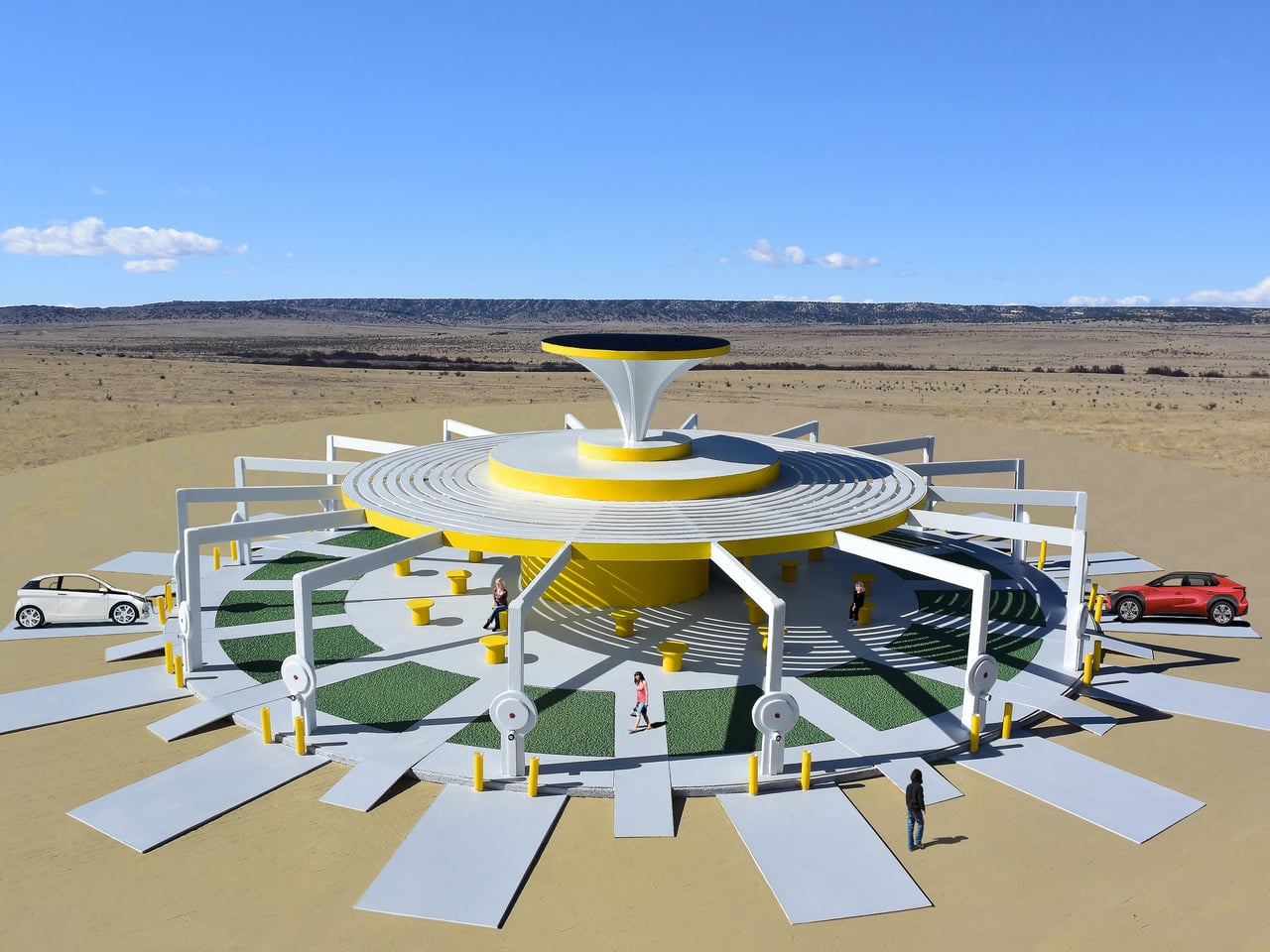
The pioneering technology means one of the oldest forms of energy storage, hydropower, can be used to store and release renewable energy using even gentle slopes rather than the steep dam walls and mountains that are usually required. The design means the principles of hydropower could be used as a form of long duration energy storage in many more locations across the UK, and the world, than traditional hydropower dams. The projects could be quicker and cheaper to build too.
When Specian dug into the data, he discovered that implementing energy-efficiency measures and shifting electricity usage to lower-demand times are two of the fastest and cheapest ways of meeting growing thirst for electricity. These moves could help meet much, if not all, of the nation's projected load growth. Moreover, they would cost only half-or less-what building out new infrastructure would, while avoiding the emissions those operations would bring.