#vatican-tourism
#vatican-tourism
[ follow ]
#travel #michelangelo #rome #cultural-heritage #pope-leo-xiv #catholic-church #caravaggio #raphael #art-history
fromCN Traveller
5 years agoDevastatingly beautiful towns in Puglia, Italy: 10 places to add to your bucket list
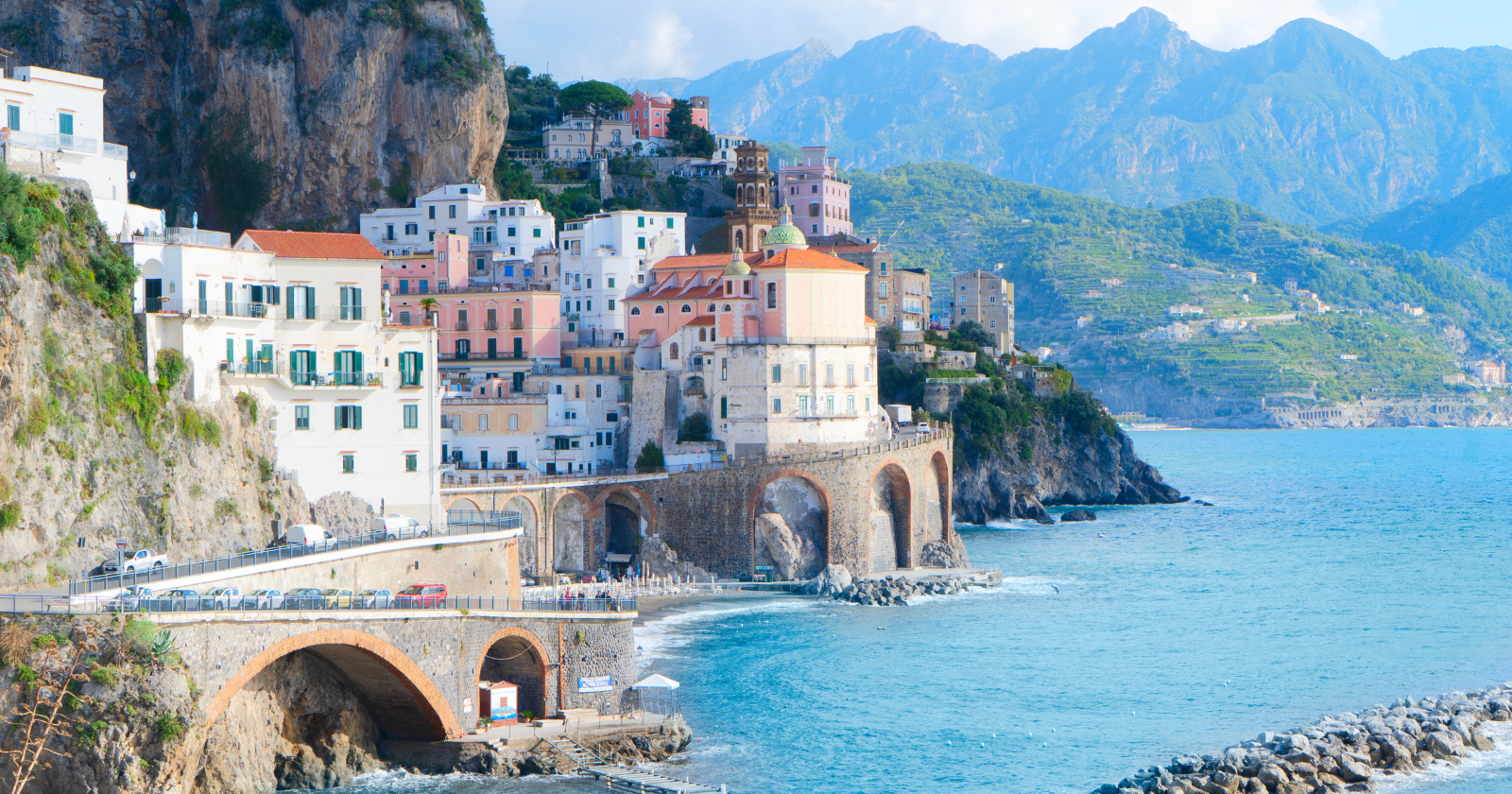
Puglia is known for its white-washed, time-stamped villages, dotted with generations-old trattorias and bougainvillaea-lined cobblestone streets, as well as its beautiful beaches.
Madrid food


fromArtnet News
1 week agoColosseum Facelift Restores Ancient Southern Entrance to Its Former Glory
"[The project] has finally restored the perception of the monument's original size and floor level," architect Stefano Boeri said in a statement. "It also offers the public the opportunity to approach its walls and imagine the rhythm and sequence of the ambulatories and arches, now lost. It's a respectful and useful project that completes research carried out by the archaeologists of the Colosseum Archaeological Park."
Arts

:max_bytes(150000):strip_icc()/TAL-header-aventine-hill-terrace-rome-ROMEHIDDENGEMS0126-642afc06aef6450098a63077ff43df8f.jpg)



#michelangelo

Arts
fromThe Art Newspaper - International art news and events
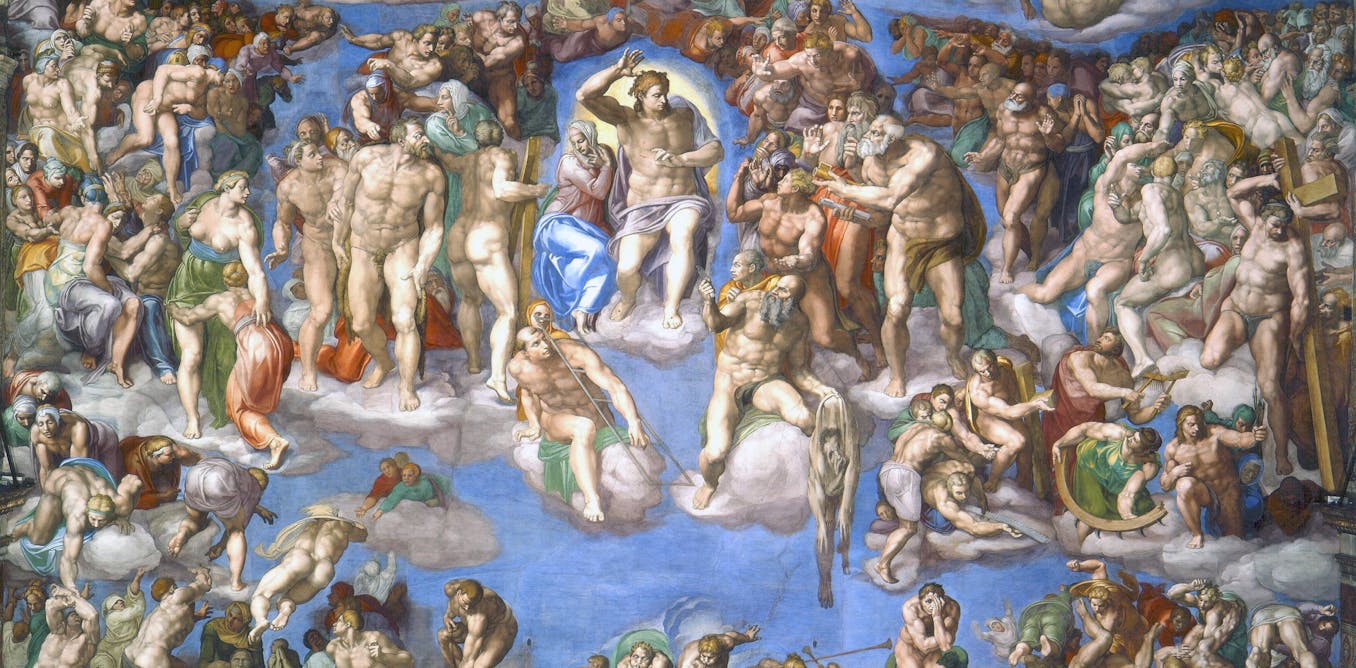
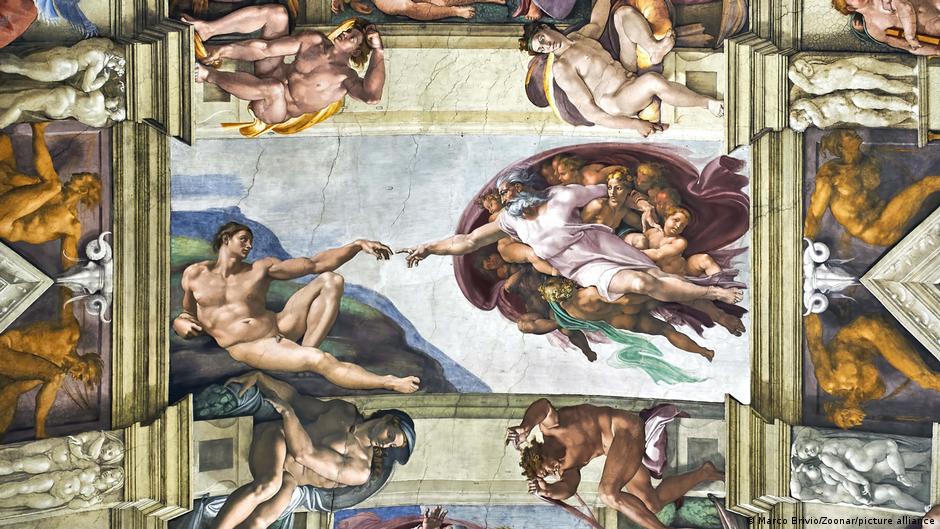
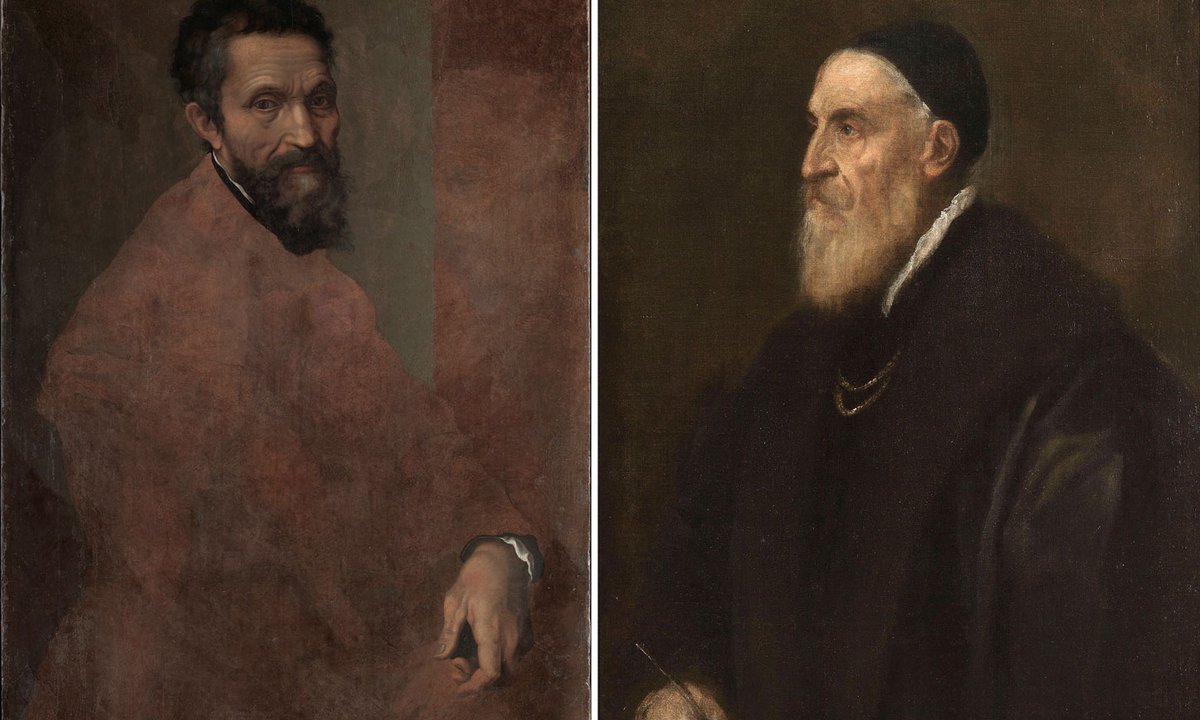
1 month agoClash of the Renaissance titans: an intriguing double biography of Titian and Michelangelo
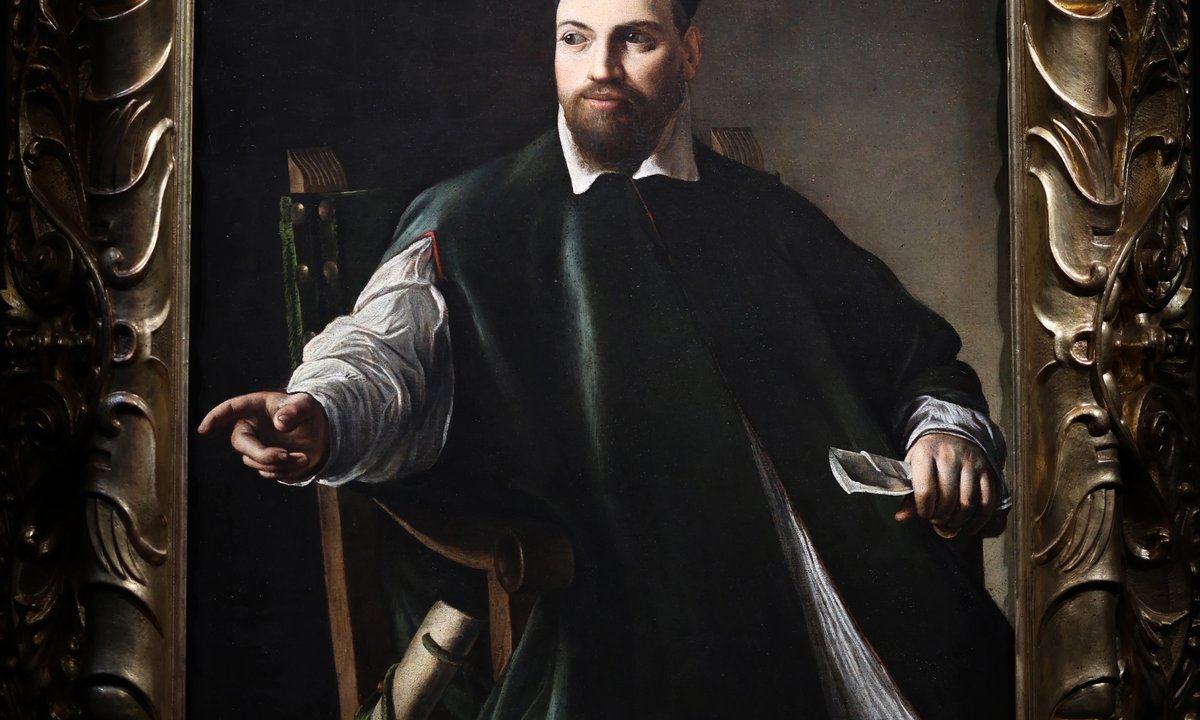
Michelangelo the Elder's lifetime success and character are documented through 17th-century commemorative paintings that reveal how artistic tastes shifted dramatically after his death.
Arts
fromUntapped New York
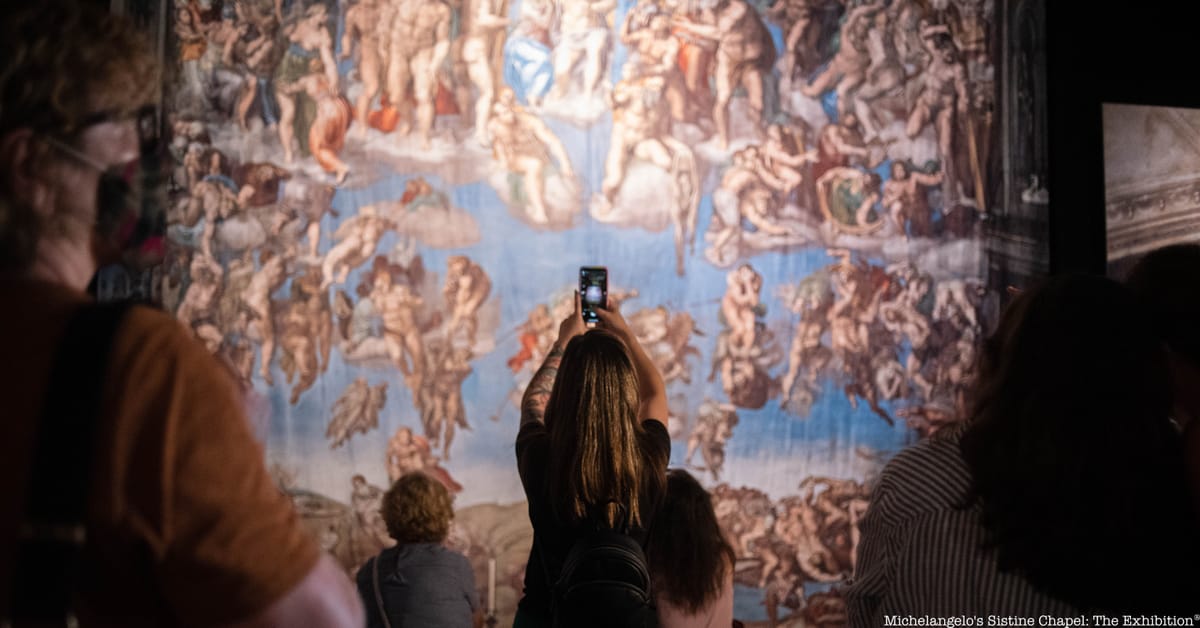
1 year agoMichelangelo's Sistine Chapel Comes to Brookyln - Untapped New York
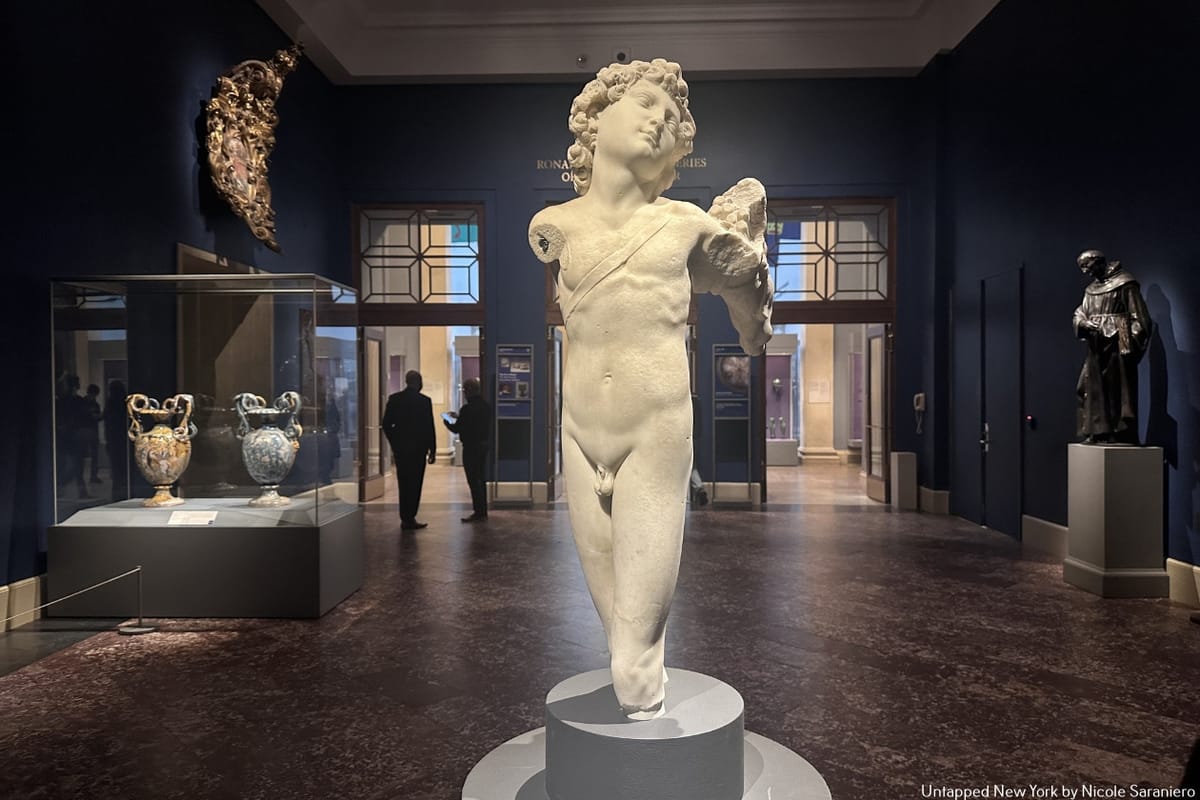
Life-sized high-definition reproductions of Michelangelo's Sistine Chapel frescoes are exhibited in Brooklyn, offering viewers five-times-closer, brushstroke-level detail and multilingual audio tours.
:max_bytes(150000):strip_icc()/TAL-ponte-vecchio-TODOFLORENCE0923-9abdcf5bd9ff42dfb04fbeeb2f69f001.jpg)


fromConde Nast Traveler
8 years agoThe 24 Best Bars in Rome to Drink Like a Local
The drinks scene here has undergone something of a Renaissance, with the number and variety of options across the city blossoming. Of course, there are still the old school stalwarts that adhere to the traditional Italian idea of a bar-envision the quintessential all-day café-bar where you might stand at the counter for a cappuccino in the morning, grab a quick panino at lunchtime, or linger over an aperitivo after work.
Cocktails
Washington Nationals
fromDefector
1 month agoNobody's Having More Fun Than The Italians | Defector
The World Baseball Classic uses flexible nationality rules allowing players to represent countries through lineage and citizenship, creating amusing rosters like Team Italy's Italian-Americans defeating Team USA.
Higher education
fromHarvard Gazette
1 month agoLike seeing art of Roman chapels in technicolor for first time - Harvard Gazette
Students learned centuries-old stucco sculpting techniques through hands-on practice, gaining deeper understanding of Renaissance and Baroque artists' material choices and creative processes.
Miscellaneous
fromABC7 Los Angeles
1 month agoVatican expands visitor experience at St. Peter's Basilica to mark 400th anniversary
St. Peter's Basilica will expand terrace access, add a larger snack bar, online reservations, multilingual Mass translations, and a Michelangelo-styled font for its 400th anniversary.
fromVulture
1 month agoA World Forever in the Shadow of Apocalypse
At least that's the mood director Gianfranco Rosi evokes in his mesmerizing documentary Pompei: Below the Clouds, which won a Special Jury Prize at the Venice Film Festival last year and is finally being released theatrically in the U.S., ahead of a March 27 streaming premiere on Mubi. The apocalypse Rosi presents is not just the legendary one that destroyed the ancient Roman town of the film's title but an ongoing one that encompasses the calamities of our modern era as well as the rejuvenation that sometimes accompanies destruction.
Film
#family-travel

Berlin
fromCN Traveller
1 month ago11 Family-Friendly Hotels in Rome Offering Gladiator Schools, Free Gelato, Teen Spas, and More
Rome offers world-class family-friendly hotels and abundant child-centered activities, making it an ideal destination where children are prioritized rather than accommodated as an afterthought.
Berlin
fromCN Traveller
1 month ago11 Family-Friendly Hotels in Rome Offering Gladiator Schools, Free Gelato, Teen Spas, and More
Rome offers world-class family-friendly hotels and abundant child-centered activities, making it an ideal destination where children are prioritized rather than accommodated as an afterthought.
History
fromMedievalists.net
1 month agoGiotto and Saint Francis Featured in Major Medieval Art Exhibition in Italy - Medievalists.net
Italy's 2026 exhibition celebrates Saint Francis's 800th death anniversary by showcasing Giotto's revolutionary artistic innovations and their impact on medieval sacred art across Umbria.
History
fromOpen Culture
1 month agoRome in 1890 Captured in Color Photographs: The Colosseum, Forum, Trevi Fountain & More
English gentlemen completed their education through the Grand Tour of Europe, primarily Italy, which profoundly influenced Romantic poets like Byron and shaped their artistic vision of classical civilization in ruins.
fromApartment Therapy
1 month agoThis Soothing Italian Philosophy Transforms the Way I Do Everything
"Piano piano" is an old Italian saying that sounds nonsensical, but is actually full of wisdom, especially if you, like me, are finding yourself wishing away these frigid winter days and hoping spring and summer gets here fast. These days, I've found myself rushing from one thing to the next, frustrated at the smallest things, from post office lines to just missing my train. And I'm ready to make a change.
Mindfulness

fromTravel + Leisure
1 month agoThis Is the Most Beautiful Capital City in Europe, According to Travelers-and No, It's Not Paris or Rome
Luxembourg City takes first place with 18.15 percent of reviews mentioning 'beautiful.' Travelers often highlight its clean streets and strong mix of old and modern areas. Even though the capital is small, people seem to appreciate how easy it is to walk around.
Travel
:max_bytes(150000):strip_icc()/TAL-trevi-fountain-rome-italy-TREVIFOUNTAINFEE0226-97b595602bf041f39e2443012d096985.jpg)
fromwww.dw.com
1 month agoItaly: Remains of St. Francis displayed in Assisi
For the first time in nearly eight centuries, the general public was able to see the remains of one of the Catholic Church's best-known saints. The patron saint of Italy's remains have been resting in a stone sarcophagus for centuries. On Saturday, the coffin was ceremoniously transferred from the crypt to the lower church of the Basilica of St Francis of Assisi. The display will last one month and end on March 22.
History
Travel
fromBusiness Insider
2 months agoAs a travel planner, I rarely recommend Paris or Rome. Instead, I swear by these 5 European gems.
Five European destinations—including Liverpool, Cinque Terre, and Porto—offer musical heritage, coastal scenery, historic charm, and distinctive culinary experiences every traveler should experience.
fromwww.theguardian.com
1 month agoAvignon warmed our bones and fed our souls': readers' favourite early spring trips to southern Europe
Saint-Jorioz in Haute-Savoie will provide a springtime lift for your spirits. On the shore of Lake Annecy, it's a short bus ride from the city of Annecy, but less busy and with superior lake and mountain views. Hike to the surrounding peaks, towards the lesser-known Col de l'Arpettaz, or cycle on the excellent greenways. Relax by the cool blue alpine water. Behind you lies the underrated Les Bauges Unesco Geopark. The department only joined France in 1860, and has its own Italian-influenced regional cuisine.
Travel
fromCN Traveller
2 months ago7 wonders of Europe for 2026
Europe has never been short on spectacle. Yet beyond the headline cities and endlessly recycled itineraries lies a quieter, deeper continent; one that's best encountered through patience and a willingness to detour from the obvious itinerary. Our 7 wonders of Europe for 2026 in Europe are not places that beg for attention. Instead, they reward those prepared to explore more than a few miles from the nearest airport and linger a little longer than planned.
Travel
[ Load more ]