#venezuelan-protections
#venezuelan-protections
[ follow ]
#venezuela #political-prisoners #human-rights #immigration #deportation #nicolas-maduro #migration #amnesty




#human-rights
Social justice
fromwww.theguardian.com
2 weeks agoVenezuelans deported by US detail fresh claims of torture and abuse at El Salvador mega-prison
Eighteen Venezuelan men demand accountability from El Salvador for human rights violations, including torture and medical neglect, after being expelled from a US prison.

Social justice
fromenglish.elpais.com
3 weeks agoThose who do not give up: the lawyers, mothers and activists still fighting for political prisoners in Venezuela
Foro Penal lawyers document Venezuela's political imprisonment through two decades, defending over 14,000 people while tracking ongoing detentions despite government amnesty claims.
US news
fromFortune
2 months agoThe U.S. has absorbed 1 million Venezuelans over the past decade. That's much more recent than most immigrants | Fortune
About 1 million Venezuelan immigrants lived in the U.S. in 2024, with recent arrivals driving sharp increases in green cards, refugees/asylum, and temporary protected status.
fromSlate Magazine
2 months agoShe Fled Maduro's Venezuela. Now Trump's America Is Also a Nightmare.
In the summer of 2020, I was working as a paralegal in Austin, Texas, remotely filling out asylum applications for migrants who were trapped in a dangerous limbo. A landmark policy of the first Trump administration-euphemistically called the "Migrant Protection Protocols," or MPP-was keeping tens of thousands of immigrants stateless and often homeless in Mexico's border regions while their asylum cases were adjudicated in U.S. border courts.
US politics
fromThe Atlantic
2 months agoA New International Law Can Rise From the Ashes
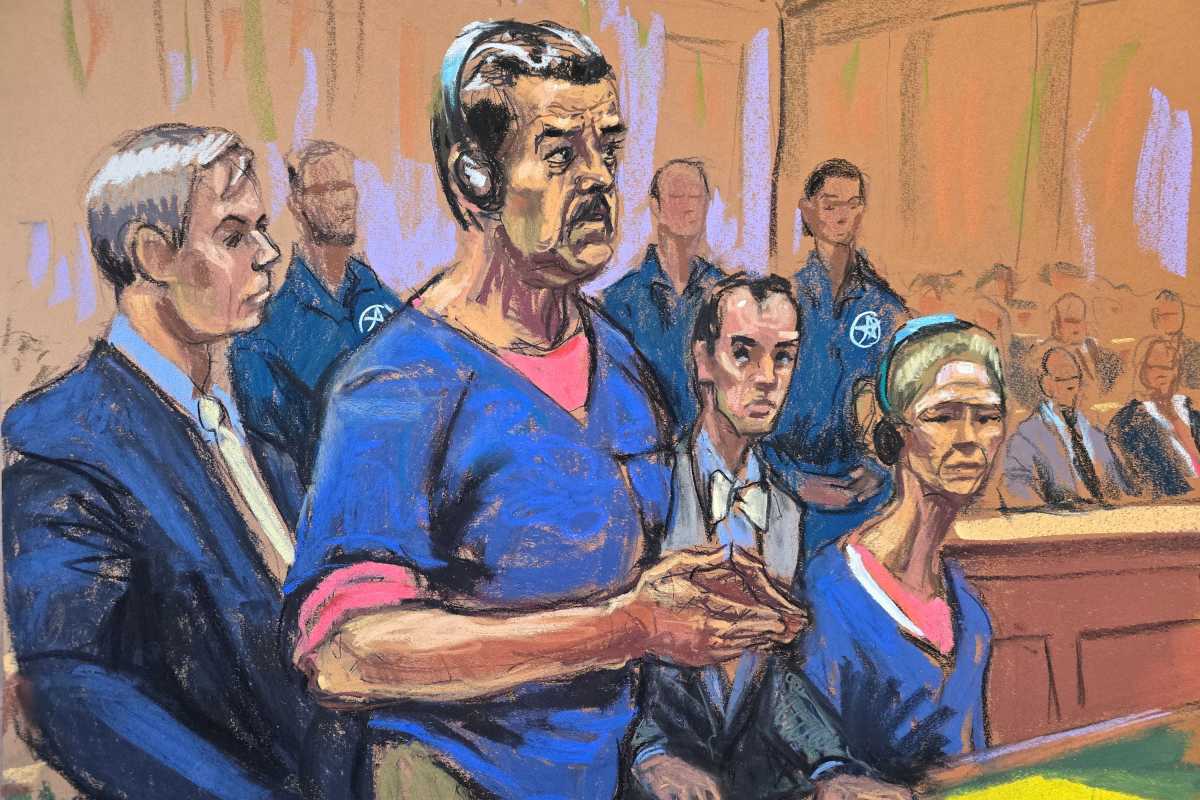
In the early hours of January 3, the United States armed forces executed an astounding operation. American air, land, and sea units destroyed Venezuela's air defenses, sent in Special Forces that took out President Nicolás Maduro's security team, and brought the dictator and his wife back to the U.S. for trial. But rather than applaud the removal of an illegitimate dictator and his wife, many foreign leaders quickly condemned the snatch-and-grab.
World news
fromenglish.elpais.com
2 months agoThe faces of Venezuelan exile: The hope of returning is always there. Now it's a little closer'
Millions of Venezuelans fled repression and economic collapse, creating a diaspora that watches political events with mixed hope and uncertainty about returning.
fromwww.twincities.com
2 months agoJudge says US must help bring back a handful of Venezuelans deported to notorious prison
A federal judge on Thursday ordered the Trump administration to make arrangements to allow some of the Venezuelan migrants deported to a notorious prison in El Salvador to return to the U.S. at the government's expense. The case has been a legal flashpoint in the administration's sweeping immigration crackdown. It started in March after President Donald Trump invoked the 18th century Alien Enemies Act to send Venezuelan migrants accused of being gang members to a mega-prison known as the Terrorism Confinement Center, or CECOT.
US politics


fromwww.aljazeera.com
2 months agoExiled Venezuelans dream of returning home. What's stopping them?
For years, Luis Peche, a 31-year-old political consultant, dreamed of a Venezuela without its leader, Nicolas Maduro. Living under Maduro's rule, Peche saw friends flee the country for fear of hunger and repression. Others were imprisoned for their activism. Then, in May 2025, Peche himself was forced into exile after being tipped off that security forces were preparing to arrest him. He has lived in Colombia ever since.
World news
[ Load more ]