#weight-loss-drug-safety
#weight-loss-drug-safety
[ follow ]
#glp-1-drugs #weight-loss #glp-1 #glp-1-medications #obesity-treatment #fda-approval #eli-lilly #weight-loss-drugs





Artificial intelligence
fromFuturism
1 day agoWhy Is the New York Times Laundering the Reputation of a Sleazy AI Startup That's Selling GLP-1s via a Dishonest Dumpster Fire of Fake Doctors, Phony Before-and-After Pictures, a Warning From the FDA, and Other Glaring Red Flags?
Medvi, an AI-driven pharmaceutical company, is reportedly on track for $2 billion in sales with minimal human staff, raising concerns about its legitimacy.
fromwww.npr.org
5 days agoThe FDA approves a new obesity pill, giving patients another option
We've created a small molecule chemical which gets in your body very well. It can mimic the effects of the peptide and can be taken more conveniently any time of day without any food or water restrictions.
US news


from24/7 Wall St.
1 week agoWave Life Sciences Slips as Obesity Data Fails to Convince
The INLIGHT interim readout reported a 14.3% placebo-adjusted reduction in visceral fat six months after a single dose, alongside preservation of lean muscle mass - a differentiated profile compared to GLP-1 therapies that often reduce muscle alongside fat.
Cancer
fromScienceDaily
15 hours agoScientists discover hidden brain switch that tells you to stop eating
"People tend to immediately think of neurons when they think about how the brain works. But we're finding that astrocytes, what we used to think of as just secondary support cells, are also participating in how our brains regulate how much we eat."
Medicine

#glp-1-drugs



Medicine
fromwww.scientificamerican.com
2 weeks agoThe GLP-1 saga is only getting juicier and messier
The FDA warned Novo Nordisk about failing to disclose risks and report deaths linked to semaglutide, while GLP-1 drugs surge in popularity for diabetes and weight loss despite unapproved market alternatives.
fromwww.bbc.com
1 month ago'I thought I was going to die' - Woman calls for tighter weight-loss jabs checks
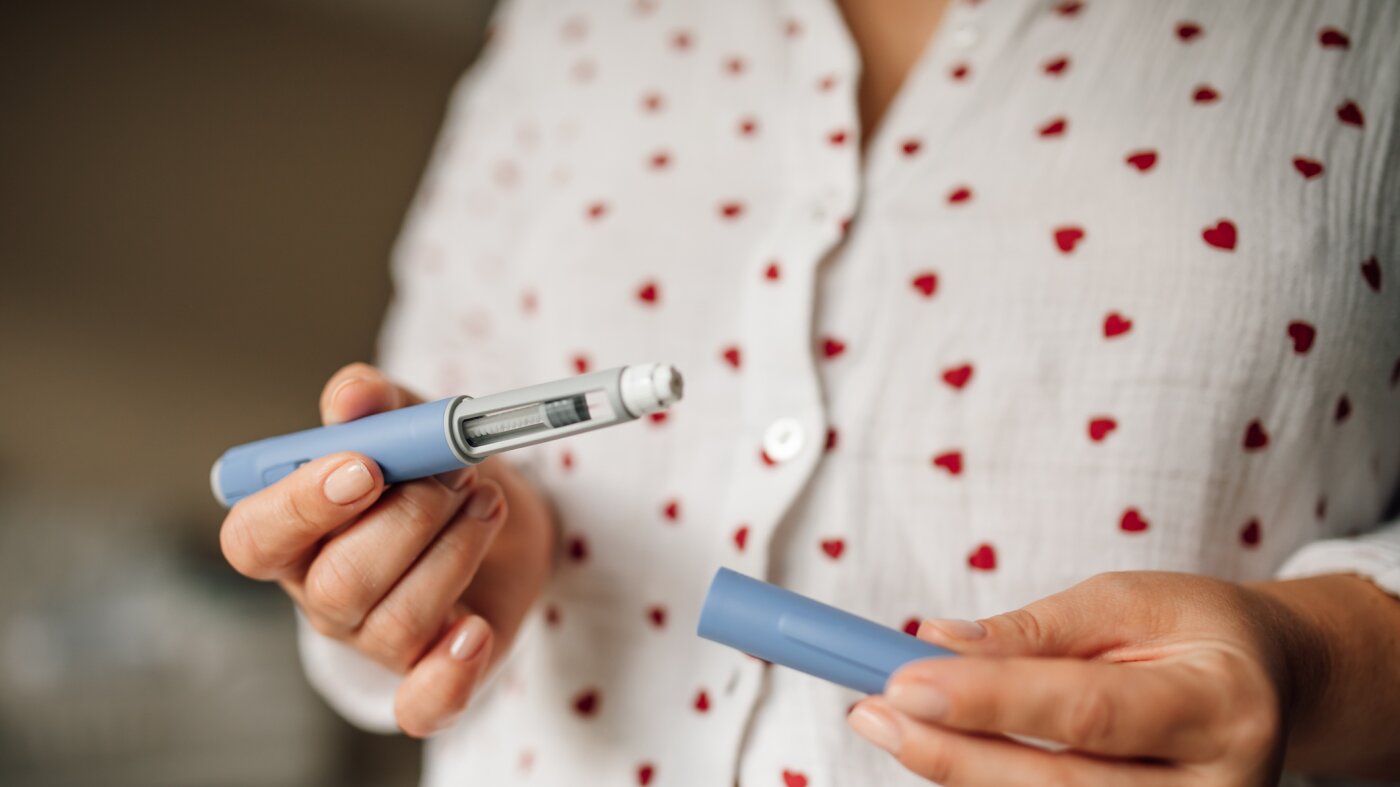
Emma Dyer remembers the moment she clicked "buy now" on a set of weightloss jabs she found online. She had no medical consultation, no ID checks, and no questions about her history of anorexia and bulimia. "It was just so easy - too easy," she says. "They never asked for my medical history or what medication I was taking. It was like buying groceries."
Health


Medicine
fromwww.scientificamerican.com
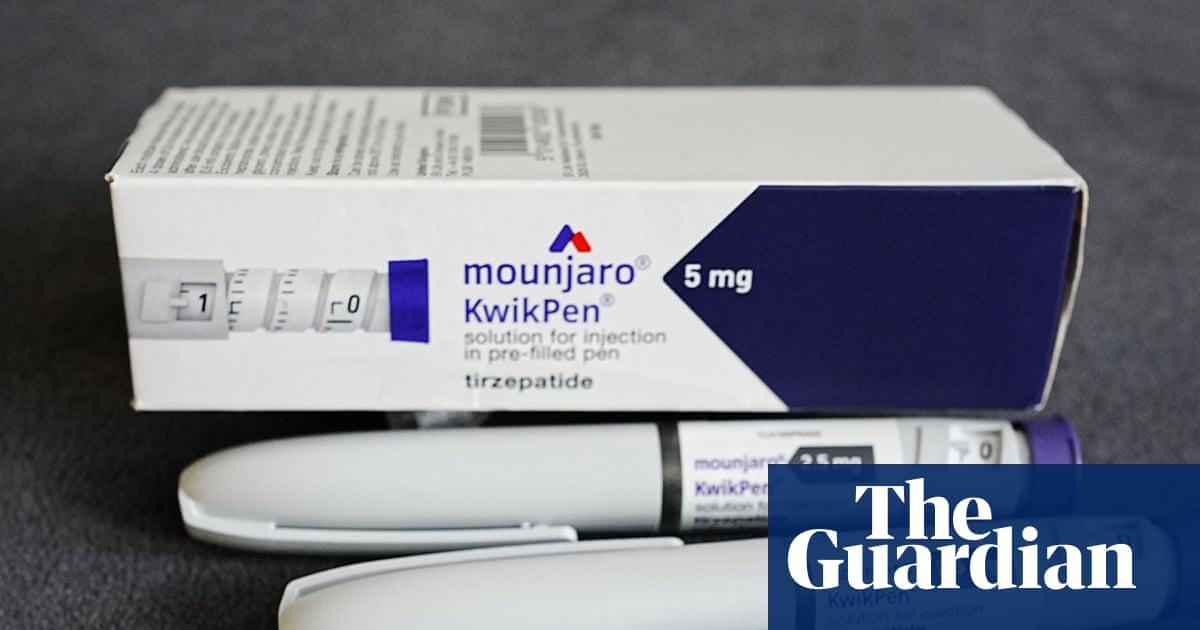
2 weeks agoExperimental GLP-3 weight loss drug retatrutide shows promising results in clinical trial
Retatrutide, a triple-receptor GLP-3 agonist drug, achieved up to 36.6 pounds of average weight loss and improved blood sugar control in phase 3 clinical trials for type 2 diabetes.
#glp-1-agonists
Medicine
fromwww.theguardian.com
3 weeks agoThe Guardian view on weight-loss jabs and addiction: there is too much moralising about these remarkable medicines | Editorial
Weight-loss drugs show promise in reducing addiction risk, suggesting they may address shared biological mechanisms between food and drug cravings in the brain.


Medicine
fromwww.theguardian.com
3 weeks agoThe Guardian view on weight-loss jabs and addiction: there is too much moralising about these remarkable medicines | Editorial
Weight-loss drugs show promise in reducing addiction risk, suggesting they may address shared biological mechanisms between food and drug cravings in the brain.
Medicine
fromwww.scientificamerican.com
3 weeks agoDrugs like Ozempic are improving kidney treatment and changing lives
GLP-1 receptor agonists, finerenone, and SGLT2 inhibitors represent breakthrough treatments for chronic kidney disease, with combined therapy potentially adding decades to patients' lives.

Medicine
fromFortune
3 weeks agoHealth startup Noom is now adding weight loss injectables to its offerings, says 'outcomes are so much better' | Fortune
Noom launches Noom Med, combining GLP-1 obesity drugs like Wegovy with behavioral coaching for $120 monthly, joining competitors capitalizing on highly effective weight-loss medications.
fromPsychology Today
1 month agoWe Need to Talk About the Fenfluramine Study
In the mid-1990s, child mental health researchers at top New York institutions injected grade-school boys with fenfluramine, also known as the diet drug "fen-fen," a substance that was later banned by the Food and Drug Administration, due to its links to valvular heart disease and pulmonary hypertension. The boys were all Black or Hispanic by design: Eligible participants were required to be African American or Hispanic because they were deemed to be at higher risk for developing disruptive behaviors.
Medicine
fromScienceDaily
2 months agoAn endocrinologist tried a new weight loss approach and it worked
A Colorado endocrinologist helped spark a quiet revolution in weight care by changing how primary care clinics talk about - and treat - obesity. Instead of vague advice to "eat less and exercise more," a new system called PATHWEIGH gave patients a clear, judgment-free path to real medical support for weight management.
Medicine
[ Load more ]