#zombie-animals
#zombie-animals
[ follow ]
#public-health #wildlife-conservation #animal-behavior #nipah-virus #wildlife-trade #zoonotic-diseases


fromwww.scientificamerican.com
3 weeks agoThese snakes steal poison from their preyhere's how they know they have enough
Red-necked keelback snakes possess a potent toxin derived from the toads they consume, which can cause severe harm to predators like mongooses. The snakes store these toxins in specialized nuchal glands.
Pets
fromLos Angeles Times
1 month agoH5N1 bird flu spreads to sea otters and sea lions along San Mateo coast, wildlife experts say
The strain the animals have contains a mutation allowing it to more easily transmit between mammals. It is also a different variation than the ones found in dairy cows and commercial poultry. This one is Eurasian in origin, first seen in 2022. It has been detected in birds that fly along the Pacific Flyway, and is responsible for a mass mortality event in 2023 in northern fur seals on an island in eastern Russia.
Public health
#de-extinction

OMG science
fromwww.theguardian.com
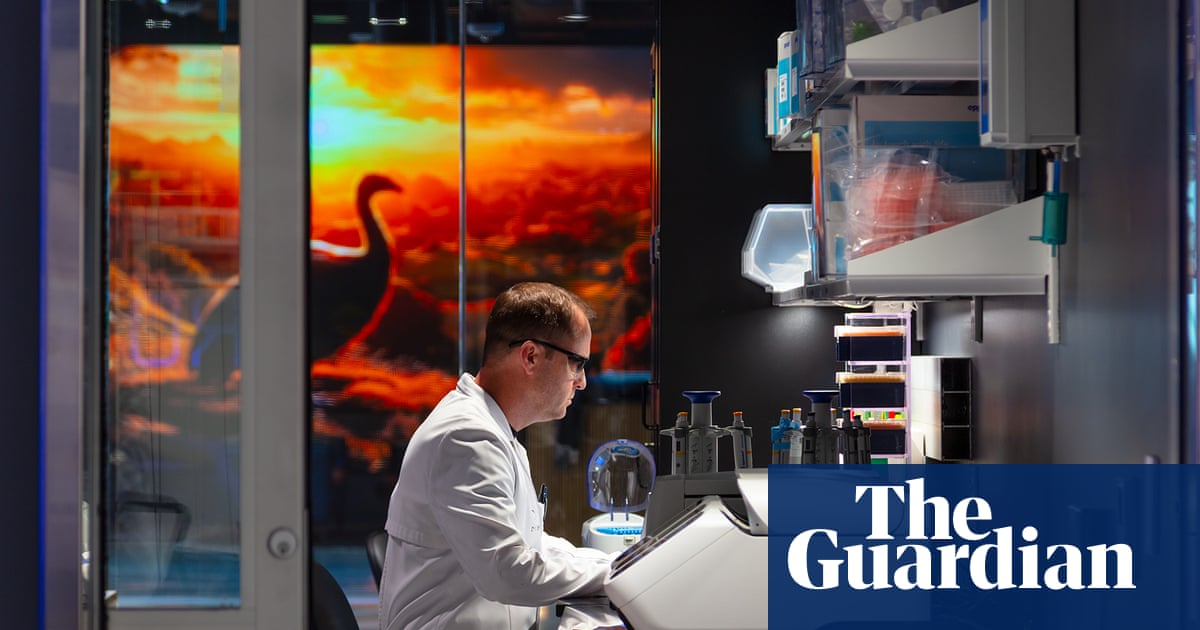
1 month agoCan scientists really resurrect the dodo? Inside the company that says they can
Colossal Biosciences is using ancient DNA and gene editing to resurrect extinct species including dire wolves, woolly mammoths, and dodos, raising questions about the ethics and feasibility of de-extinction technology.
OMG science
fromwww.npr.org
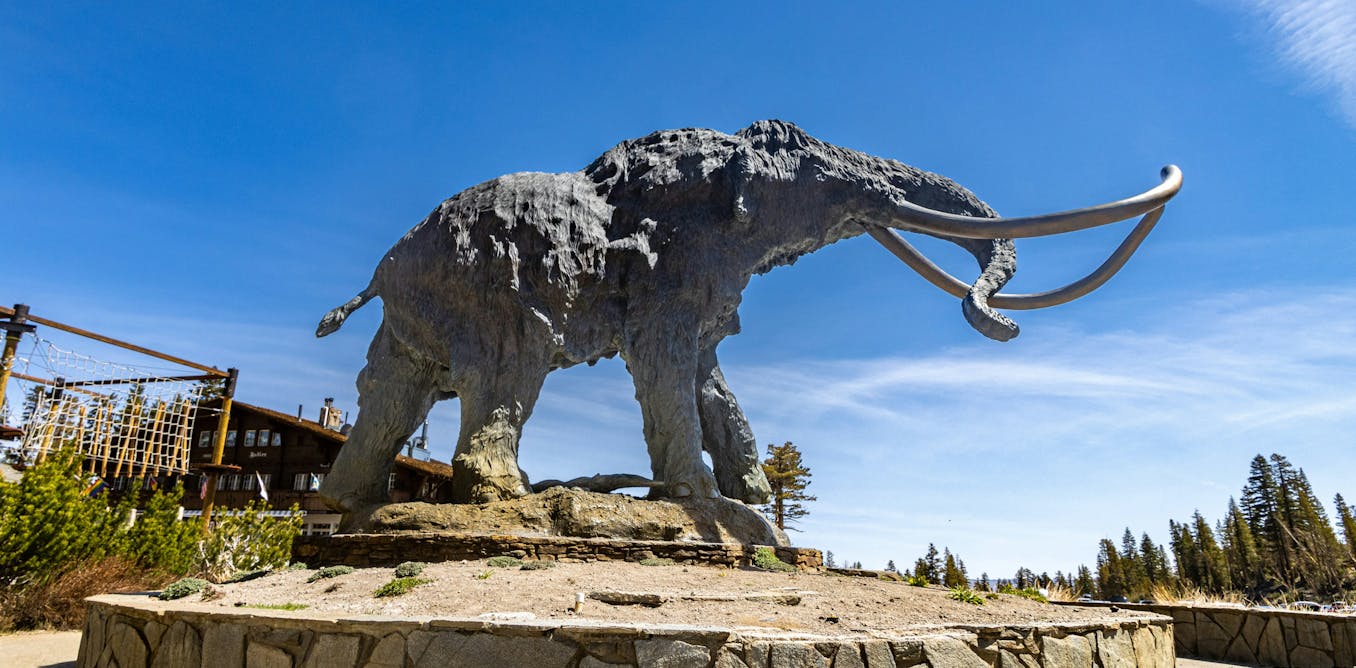
1 month agoColossal Biosciences breeds controversy while trying to revive mammoths
Colossal Biosciences uses gene-editing, cloning, and AI technologies to resurrect extinct species like woolly mammoths while developing tools to save endangered animals, though critics question the ethics and feasibility of de-extinction.
Environment
fromFortune
2 months agoAnimal behavioralists saved a rhino with bleeding eyes by giving it eye drops, in a "ridiculous idea" gone right | Fortune
Voluntary training allowed caretakers to safely administer eyedrops to an endangered white rhino in Zimbabwe, preserving vision and protecting a community reintroduction program.
fromNature
1 month agoPrevent pandemics through One Health commitments
Risks of outbreaks with pandemic potential rise with increasing land-use change, biodiversity loss and climate change. The Pandemic Agreement adopted by the World Health Assembly in 2025 marks a historic shift that establishes the One Health approach as a legally binding obligation for pandemic prevention.
Public health
fromHigh Country News
1 month agoCoyotes and cougars and rats, oh my! - High Country News
An unnamed tourist saw it and told Aidan Moore, who works for Alcatraz City Cruises. Moore told SFGATE that he was initially skeptical, but the guest's iPhone footage left little room for doubt. The video shows, not a sea lion or an otter, but an actual Canis latrans, doggedly dogpaddling, then clambering out of the water, noticeably shaky and struggling to settle tired paws on the craggy rocks.
California
Video games
fromwww.theguardian.com
2 months agoReanimal review you will never turn your back on a pelican again as long as you live
Reanimal is a compelling yet repetitive horror puzzle-platformer blending eerie childlike fear, light puzzles, stealth, and striking, sorrowful environments despite predictable mechanics.
Toronto
fromwww.cbc.ca
2 months agoToronto Zoo launches review after postmortem finds unforeseen vulnerability' led to giraffe's death | CBC News
A 13-year-old Masai giraffe, Kiko, died after becoming trapped in a door gap; autopsy found cardiac failure from acute exertion and no underlying conditions.

Public health
fromNature
2 months agoTransmission of MPXV from fire-footed rope squirrels to sooty mangabeys - Nature
Multiple independent zoonotic spillovers drive MPXV diversity; no definitive reservoir identified, rodents suspected, and human-to-human transmission leaves APOBEC3 mutation signatures.
fromwww.npr.org
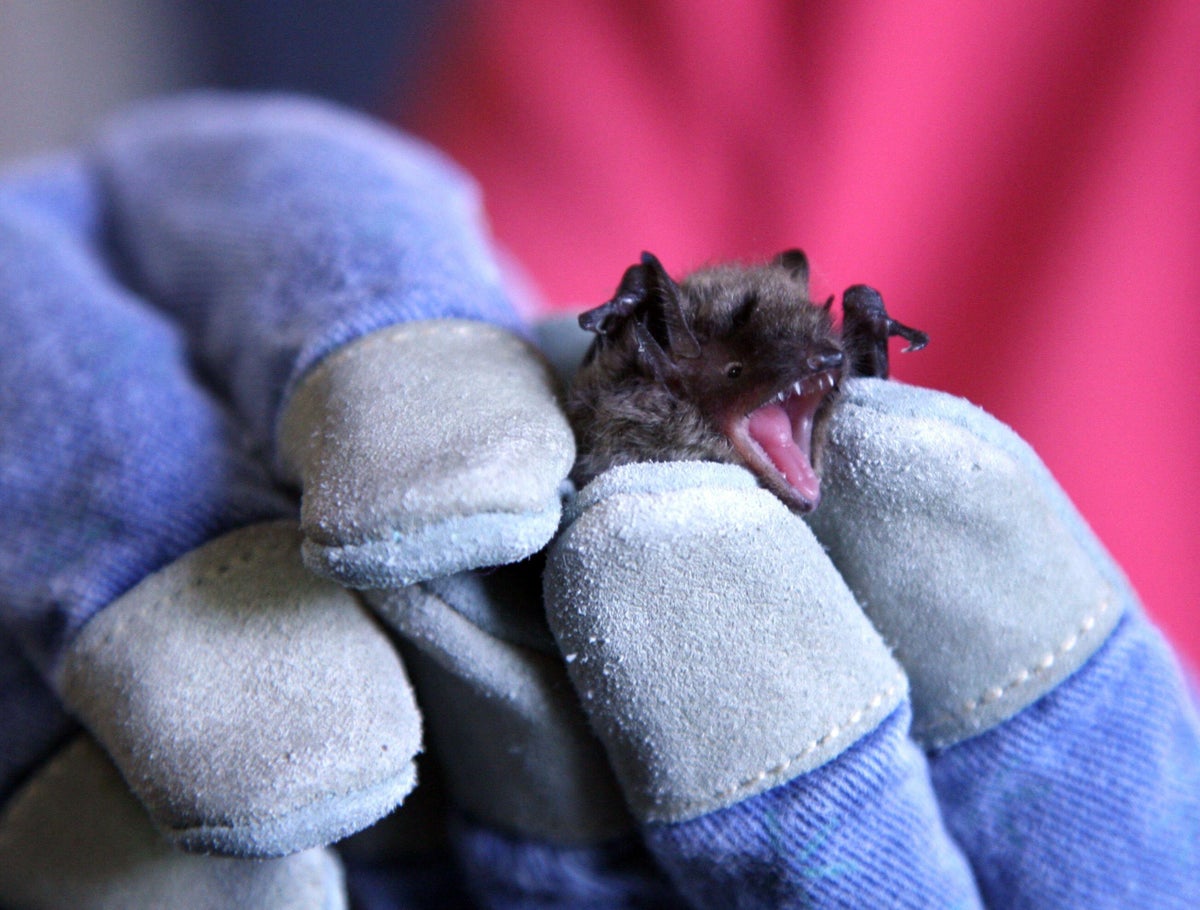
1 month agoVaccinating bats could be good for people. But how do you vaccinate a bat?
Bats carry a lot of very deadly pathogens like Ebola virus, Nipah, Hendra, coronavirus, and also rabies virus. People are finding more and more bat-borne viruses. When such viruses are transmitted to humans, the results are often fatal so there's a lot of interest in trying to prevent spillover in the first place.
Coronavirus
Pets
fromwww.scientificamerican.com
1 month agoWhat would happen if snakes disappeared like in Zootopia 2? An investigation
Zootopia 2 defends snakes as misunderstood creatures while highlighting their critical ecological importance as mesopredators that control rodent populations and sustain food chains.




fromNature
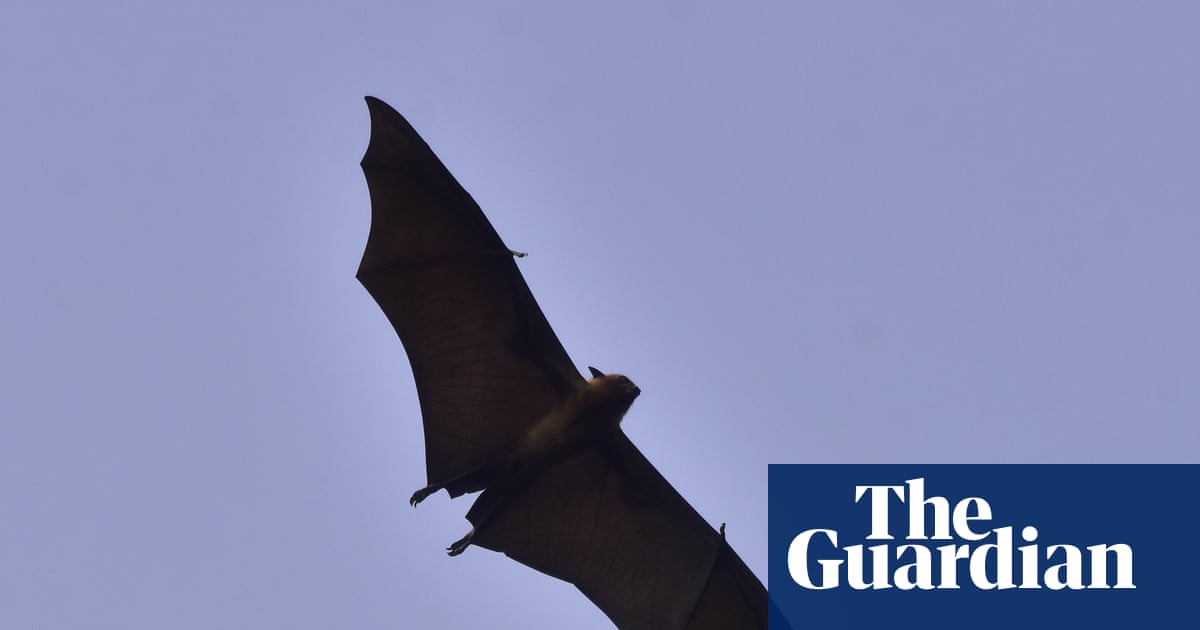
1 month agoUsing mosquitoes to vaccinate bats could curb the spread of deadly diseases
In a study published in Science Advances, researchers in China fed Aedes aegypti mosquitoes blood that contained either a vaccine against Nipah virus or the rabies virus. The viruses, contained in the vaccines, replicated inside the insects and reached their salivary glands, allowing them to pass on the vaccine when feeding on bats or when the bats ate the insects.
Coronavirus
fromKqed
5 months agoThese 5 Creatures Make a Living Off of Death: A Halloween Compilation | KQED
A passerby discovers it first - and lets out a piercing call. Within seconds, everyone in earshot rushes to the scene. It's mayhem... or so it seems. Crows are intelligent, and super chatty. They watch out for one another within tight-knit groups. As adults it's pretty rare for crows to be killed. So when one dies the others notice. Are they just scared? Or is something deeper going on.
Science
fromwww.theguardian.com
2 months agoOfficials race to contain virus outbreak after 72 captive tigers die in Thailand
A statement by the government's region 5 livestock office for Chiang Mai, said the animals had been infected with canine distemper virus, with veterinarians also identifying mycoplasma bacteria as a secondary infection. Earlier however, Somchuan Ratanamungklanon, director general of the department of livestock development within the Thai agricultural ministry, told the Thai outlet Matichon that the tigers had been infected with feline panleukopenia.
Science
fromwww.latimes.com
1 month agoH5N1 bird flu found in elephant seals at Ano Nuevo State Park
This is exceptionally rapid detection of an outbreak in free-ranging marine mammals, said professor Christine Johnson, director of the Institute for Pandemic Insights at UC Davis' Weill School of Veterinary Medicine. We have most likely identified the very first cases here because of coordinated teams that have been on high alert with active surveillance for this disease for some time.
Public health
fromwww.bbc.com
1 month agoFox family reunited after cubs found hiding in car
Our workshop has encountered all kinds of issues with vehicles over the years, but a set of fox cubs is a brand new one for us. At first, our technician thought they might be rats because the cubs are grey, rather than the typical red you would expect of a fox they gave him quite a fright.
Pets
fromwww.independent.co.uk
1 month agoDifficulties diagnosing rabies did not affect grandmother's fatal outcome'
Yvonne Ford, 59, from Barnsley, died four months after she suffered a minor scratch when she startled a dog under her sun lounger on a Morocco beach during a holiday in February last year. She did not seek medical treatment at the time. It wasn't until June 2 2025 that Mrs Ford eventually went to Barnsley Hospital with a range of symptoms including severe headaches, nausea, mobility issues and disorientation.
Public health
fromThe New Yorker
2 months agoIs the Rat War Over?
Rats were leaving Manhattan, hurrying across the bridges in single-file lines. Some went to Westchester, some to Brooklyn. It was the pandemic, and the rats, which had been living off the nourishing trash of New York's densest borough for generations, were as panicked about the closure of restaurants as we were. People were eating three meals a day at home, and the rats were hungry.
Public health
[ Load more ]