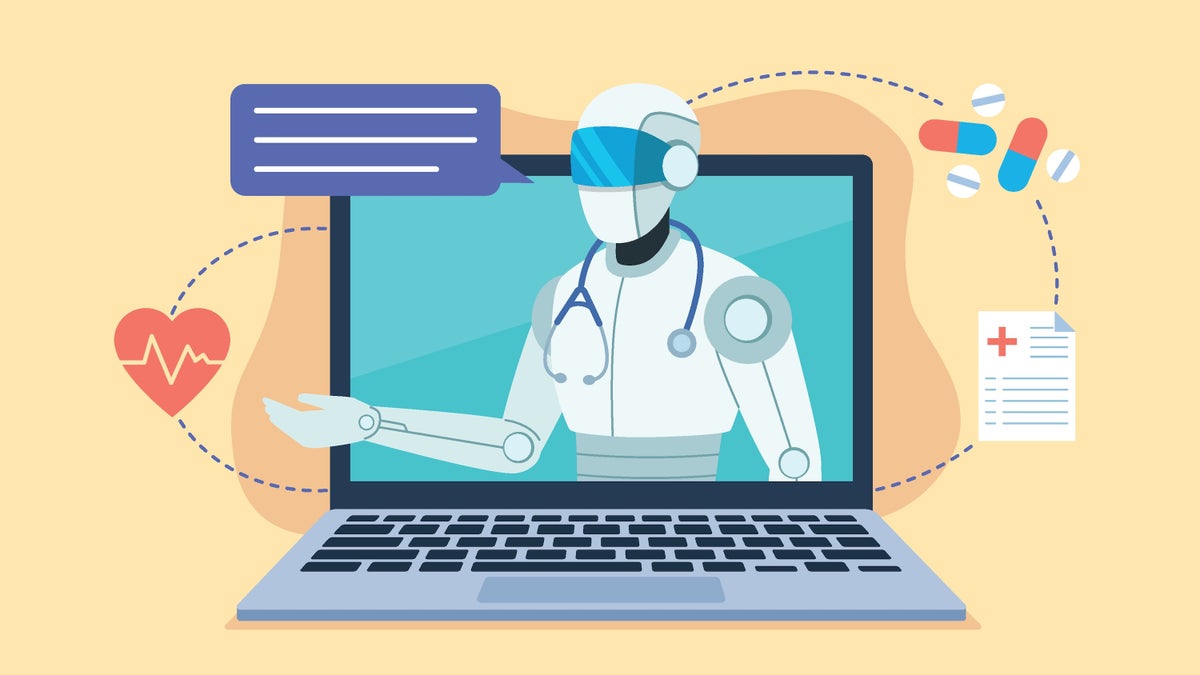
"When Judith Miller received the results of a medical imaging study last year, the 77-year-old Wisconsin resident did what many patients nowadays do: she asked AI to explain them. Claude, a large language model (LLM) developed by the company Anthropic, obligingly laid out possible interpretations. With the chatbot's analysis in hand, Miller went into her follow-up appointment feeling prepared for a productive conversation with her doctor. As she puts it, Claude's responses enabled me to better understand my health and engage more fully in shared decision-making."
"Two recent polls both found that a third of American adults have turned to LLMs for health informationto make sense of lab results, diagnose symptoms, research treatment options or inquire about prescription drugs. The use of tools like these has doubled in the past year, says Robert Wachter, a physician at the University of California, San Francisco. I suspect they'll double again next year. But these chatbots can also provide misleading or inaccurate advice, so experts urge caution when using them."
""Claude is not designed or marketed for making clinical diagnoses," according to a spokesperson for the company. Its proper use is "helping people prepare for conversations with their doctors, not replacing them." For many patients, AI is a welcome solution to the problems posed by the glut of personal health data supplied by the 21st Century Cures Act, which mandates immediate online access to medical records, such as test results and clinical notes."
A 77-year-old patient used an AI chatbot to interpret medical imaging results before a follow-up visit. Many adults now turn to large language models for health information, including lab results, symptom explanations, treatment research, and questions about prescription drugs. Polls indicate about one-third of American adults use LLMs for health purposes, and usage has doubled in the past year with expectations of further growth. Experts warn that chatbots can provide misleading or inaccurate advice. A company spokesperson states the system is not designed or marketed for clinical diagnoses and should be used to help people prepare for conversations with their doctors rather than replace them. Increased access to records under the 21st Century Cures Act contributes to demand for AI explanations.
#ai-in-healthcare #large-language-models #patient-health-information #medical-records-access #clinical-decision-making
Read at www.scientificamerican.com
Unable to calculate read time
Collection
[
|
...
]