AI chip production is accelerating rapidly while electrical power capacity and grid readiness lag, limiting the activation of new chips and slowing AI deployment. The U.S. grid suffers from decades of underinvestment and aging infrastructure, creating reliability and production constraints for data centers. Some newly built data centers may remain unused for years while awaiting power. Rising demand and the need for infrastructure upgrades have pushed up electricity costs for consumers. Federal and state officials have pressed grid operators and pursued long-term procurement to increase supply and shift costs toward data center operators.
"The U.S. has been grappling with an outdated grid system, as the result of decades of underinvestment and an aging infrastructure. As tech companies increasingly rely on grid operators for electrical power, reliability issues and production limitations have threatened the speed of AI implementation, raising investor concerns of an AI bubble, as well as resignation the U.S. has already lost the battle with Chinese tech."
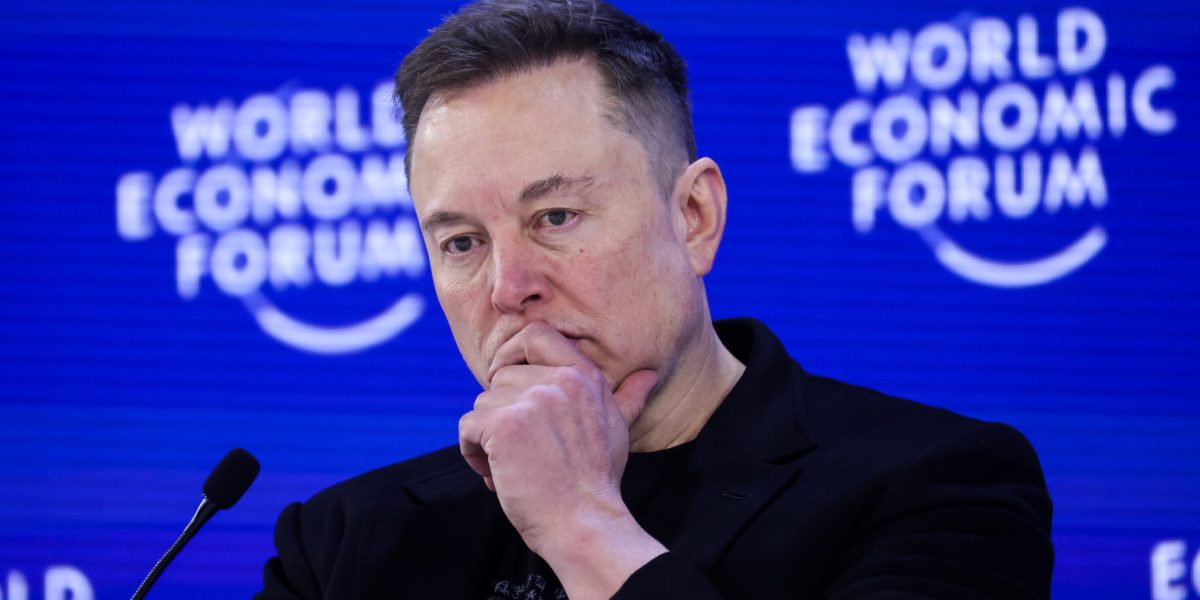
"Elon Musk warned the biggest issue hampering AI advancement in the United States is a problem Chinese competitors don't have. In a conversation in Davos, Switzerland, with BlackRock CEO and World Economic Forum interim chair Larry Fink, Musk said AI chip production is increasing exponentially, but electricity is slow to being made available, hampering the efficiency of AI data centers training and deploying AI models."
"Earlier this month, the Trump administration and 13 bipartisan governors mounted pressure on operators of the country's largest grid, PJM Interconnection, to boost power supplies, as well as hold an auction for tech firms to make offers on 15-year contracts to build power plants, which would transfer the cost of electricity away from consumer and to data center operators."
Read at Fortune
Unable to calculate read time
Collection
[
|
...
]