"These tools help self-driving cars think more like humans. Instead of just reacting quickly to common situations (like stopping at a red light), they're built to handle unusual events - the "long-tail scenarios" - such as a child chasing a ball into the street or construction suddenly blocking a lane. The key is the "chain-of-thought processing," which means the AI doesn't just guess what to do, it breaks the problem down step by step, making the car safer in tricky, unpredictable moments."
"Autonomous vehicles (AV) are poised for explosive growth in 2026, with advancements in artificial intelligence (AI) reasoning models and sensor technology enhancing safety and reliability. Regulatory approvals are expanding in major markets, enabling wider commercial deployments. Safety data from existing operations demonstrates lower incident rates compared to human drivers, boosting mainstream acceptance. This transformation will reduce transportation costs, lower emissions, and improve urban mobility."
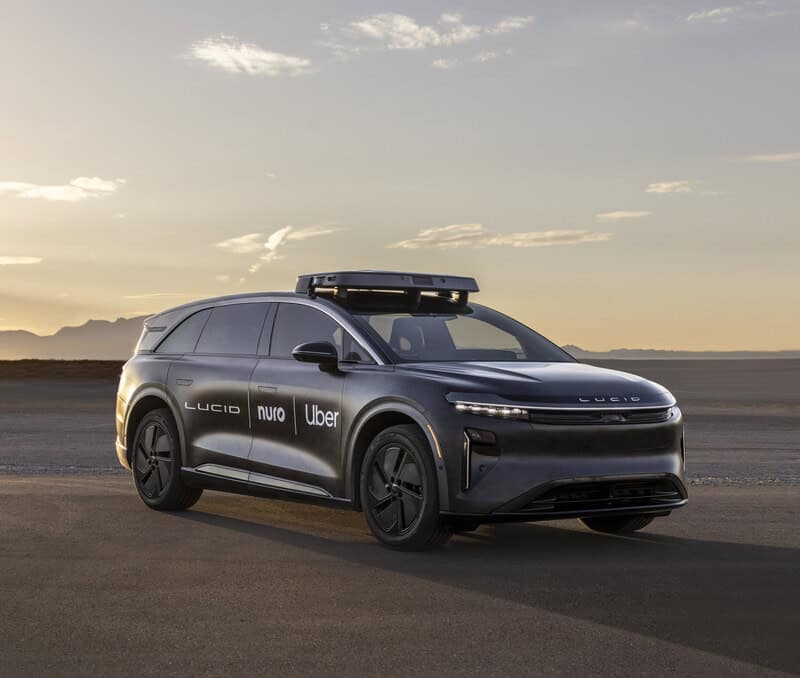
Autonomous vehicle adoption accelerates in 2026 as AI reasoning models and improved sensors increase safety and reliability. Regulatory approvals in major markets enable broader commercial deployments and operational safety data shows lower incident rates than human drivers. Reduced transportation costs, lower emissions, and improved urban mobility are expected outcomes. Uber's global ride-hailing scale positions the company as a frontrunner by aggregating demand and integrating autonomous fleets from multiple providers instead of focusing solely on in-house hardware. Nvidia's Alpamayo open-source models apply chain-of-thought reasoning to address long-tail scenarios, helping Level 4 systems manage unpredictable events and advance safe deployments.
Read at 24/7 Wall St.
Unable to calculate read time
Collection
[
|
...
]