"I'm a true believer that no trip is complete without a visit to at least one museum, and I've historically leaned to the modern and contemporary genres to get that what the hell was that feeling. While I appreciate the grandeur and detail of classical, baroque, and Renaissance art, how many paintings of people standing around in 15th or 16th-century garb do you really need to see in one lifetime?"
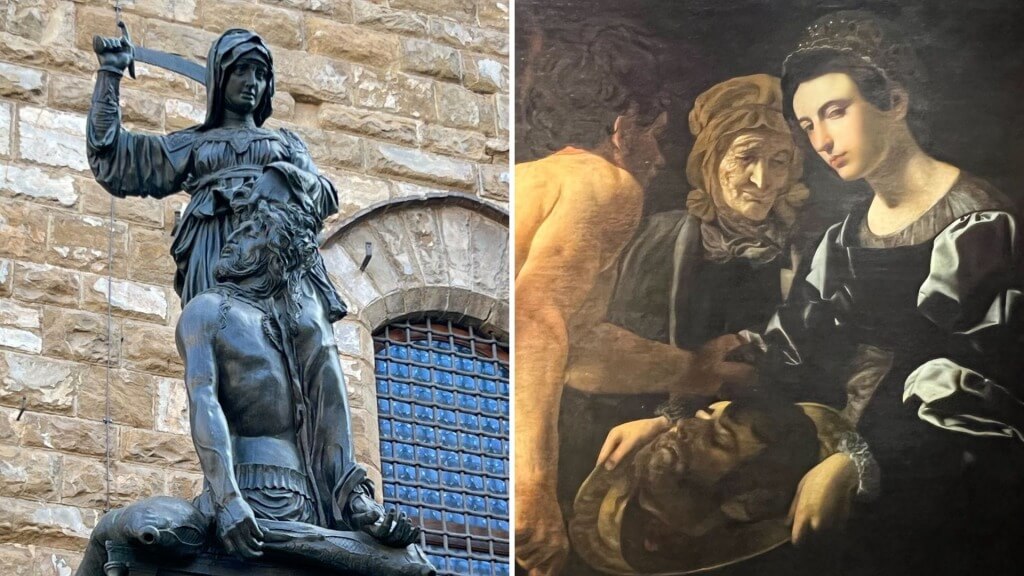
"Because what I found were scores (OK, about half a dozen) of artworks featuring women beheading men. And these pieces made me feel alive; made me feel inspired; made me feel the carbonated drops of dozens of Aperol spritzes twirl and leap through my veins."
"Most of the pieces I saw were biblical depictions of Judith and Holofernes (the widow who seduces general Holofernes, chops his head off, and saves her city) or Salome with the head of John the Baptist. Some are very famous. Some I recognized from my sophomore-year Art History 101 class."
"Renaissance artists seemed to appreciate something the contemporary art world does not: sometimes a woman simply needs to hold up a freshly removed head."
The author discovered a fascination with Renaissance artworks featuring women beheading men during a trip to Italy, finding these pieces more emotionally impactful than expected. While initially preferring modern and contemporary art for its disorienting effect, the author encountered numerous Renaissance paintings and sculptures depicting biblical scenes of female figures like Judith and Salome holding severed male heads. These artworks, some famous and others obscure, provided the sensory and emotional experience the author seeks from art. The author questions why contemporary art has largely abandoned this subject matter and argues that Renaissance artists understood the power of depicting women in positions of agency and triumph, suggesting this represents a revered female tradition worthy of artistic celebration.
Read at www.jezebel.com
Unable to calculate read time
Collection
[
|
...
]