#renaissance-art
#renaissance-art
[ follow ]
#michelangelo #art-history #raphael #exhibition #art-exhibition #art-restoration #art-authentication #caravaggio


Arts
fromThe Art Newspaper - International art news and events
6 days agoMarc Restellini's 'atom bomb' of a Modigliani catalogue raisonne is finally published
Marc Restellini's catalogue raisonné of Amedeo Modigliani's oil paintings is published after 30 years, featuring 100 newly authenticated works.

fromdesignboom | architecture & design magazine
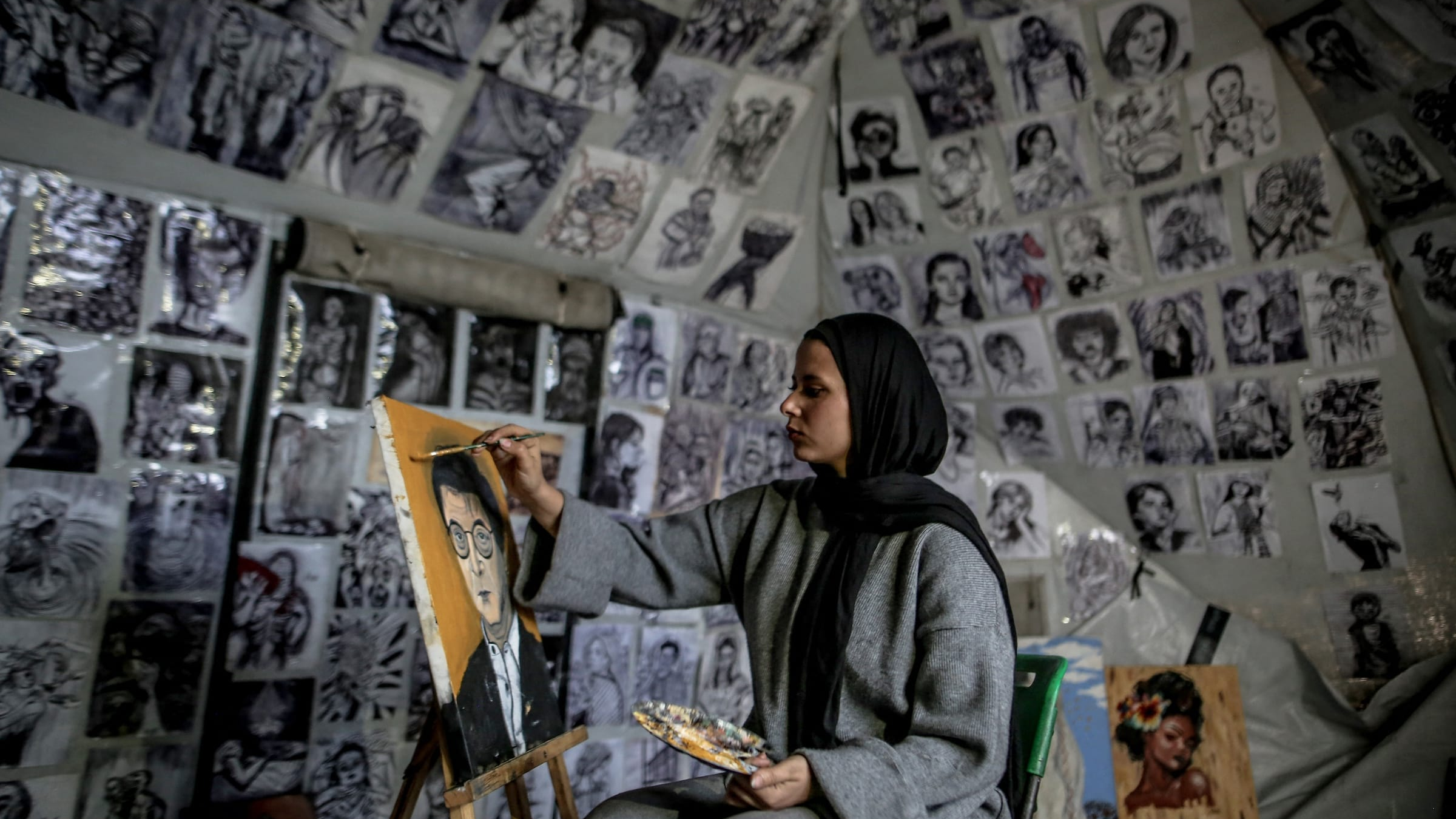
2 weeks agorenaissance church in piacenza glows with scenographic lights in davide groppi's exhibition
The central nave of Sant'Agostino becomes the spine of the exhibition, as the designer divides the space using white, geometric volumes through freestanding architectural forms that visitors can move through.
SOMA, SF
:max_bytes(150000):strip_icc()/TAL-ponte-vecchio-TODOFLORENCE0923-9abdcf5bd9ff42dfb04fbeeb2f69f001.jpg)
Washington Nationals
fromDefector
1 month agoNobody's Having More Fun Than The Italians | Defector
The World Baseball Classic uses flexible nationality rules allowing players to represent countries through lineage and citizenship, creating amusing rosters like Team Italy's Italian-Americans defeating Team USA.
#michelangelo

Arts
fromThe Art Newspaper - International art news and events
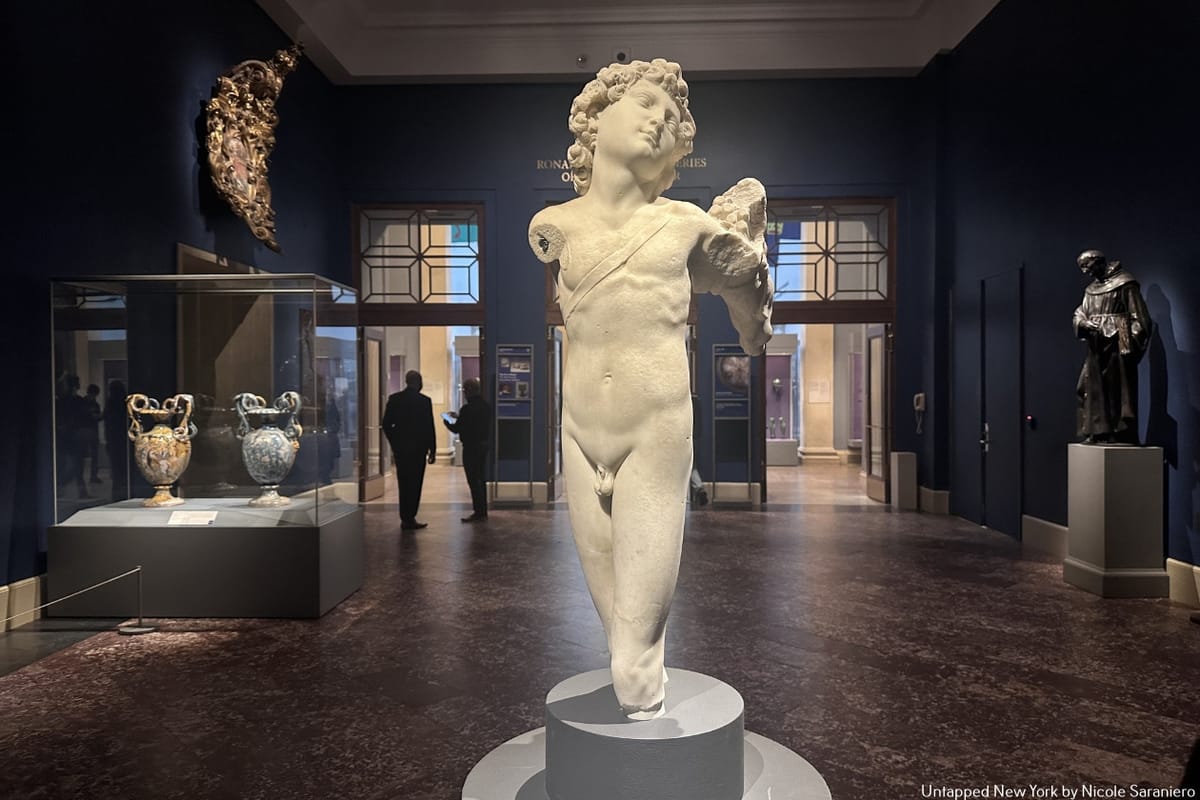
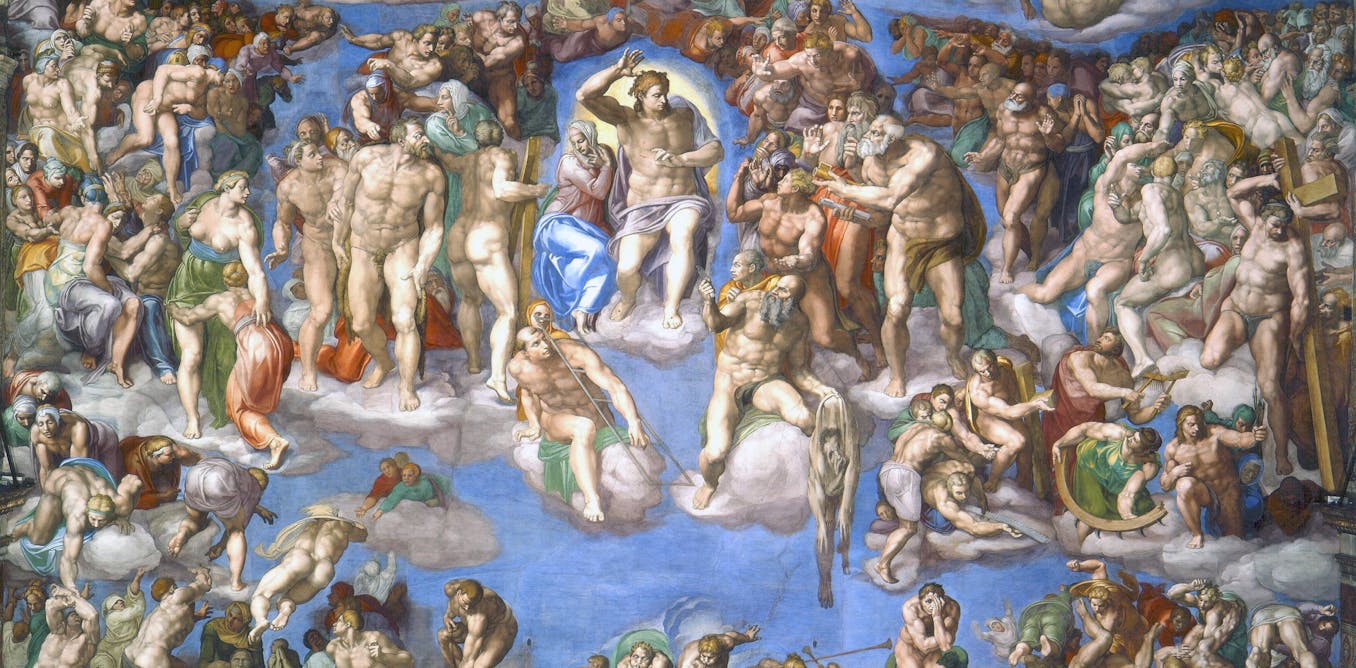
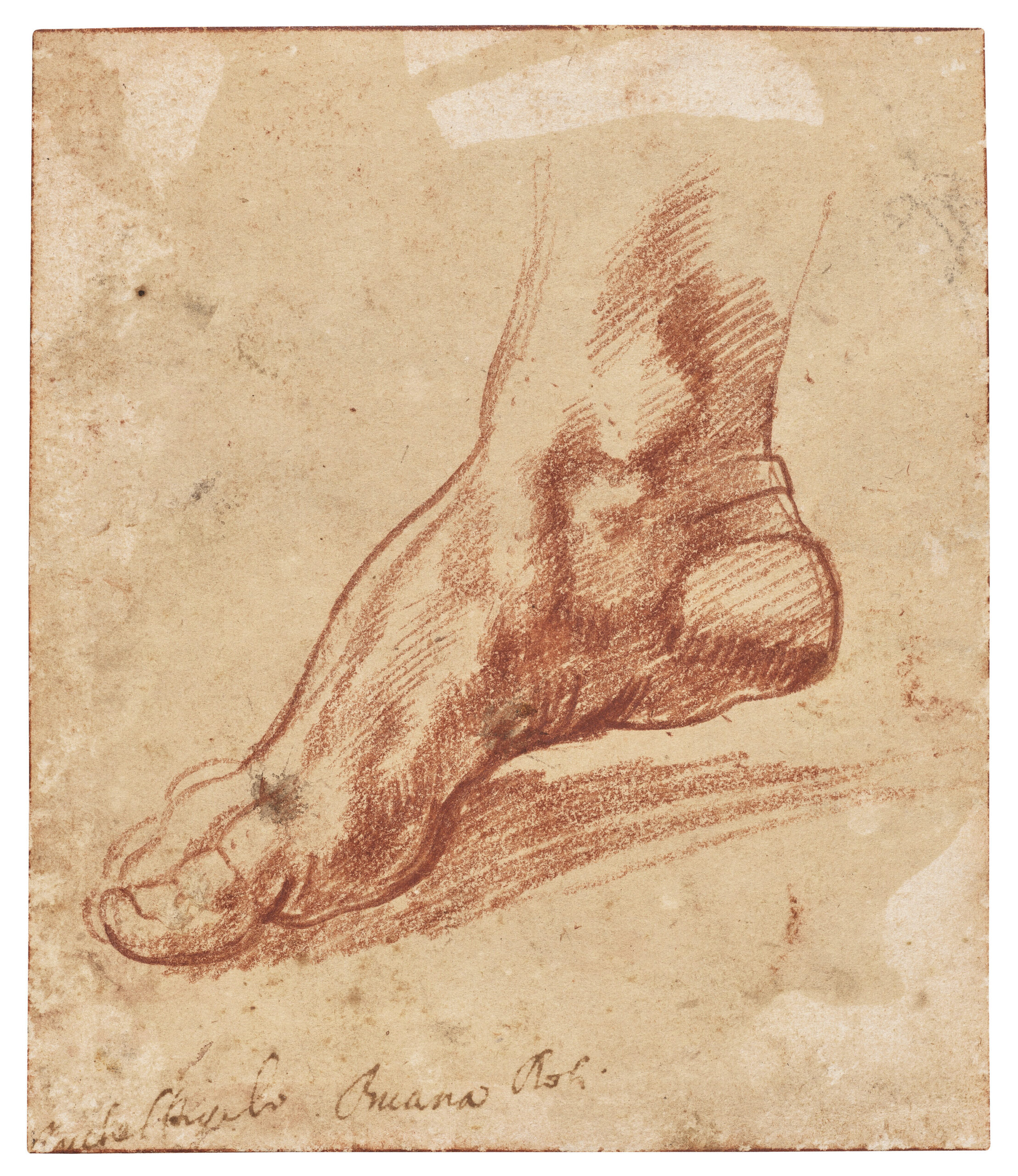
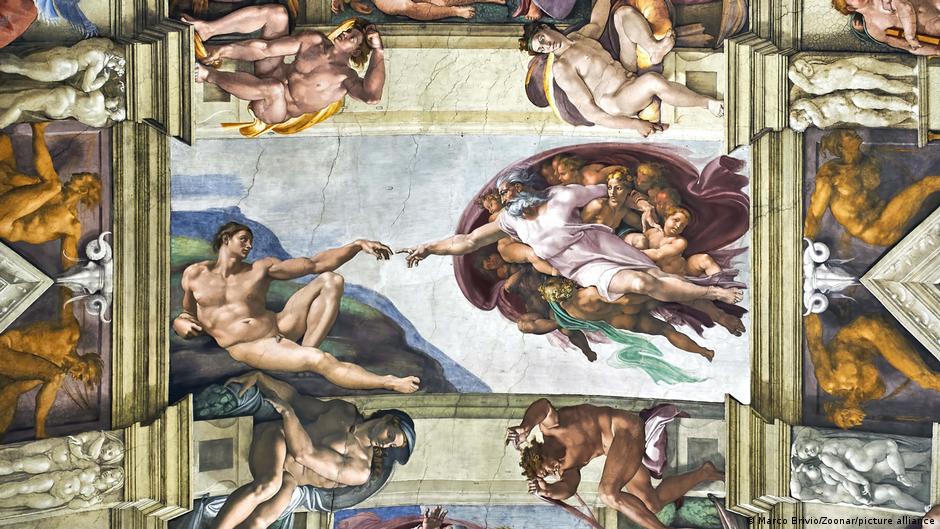
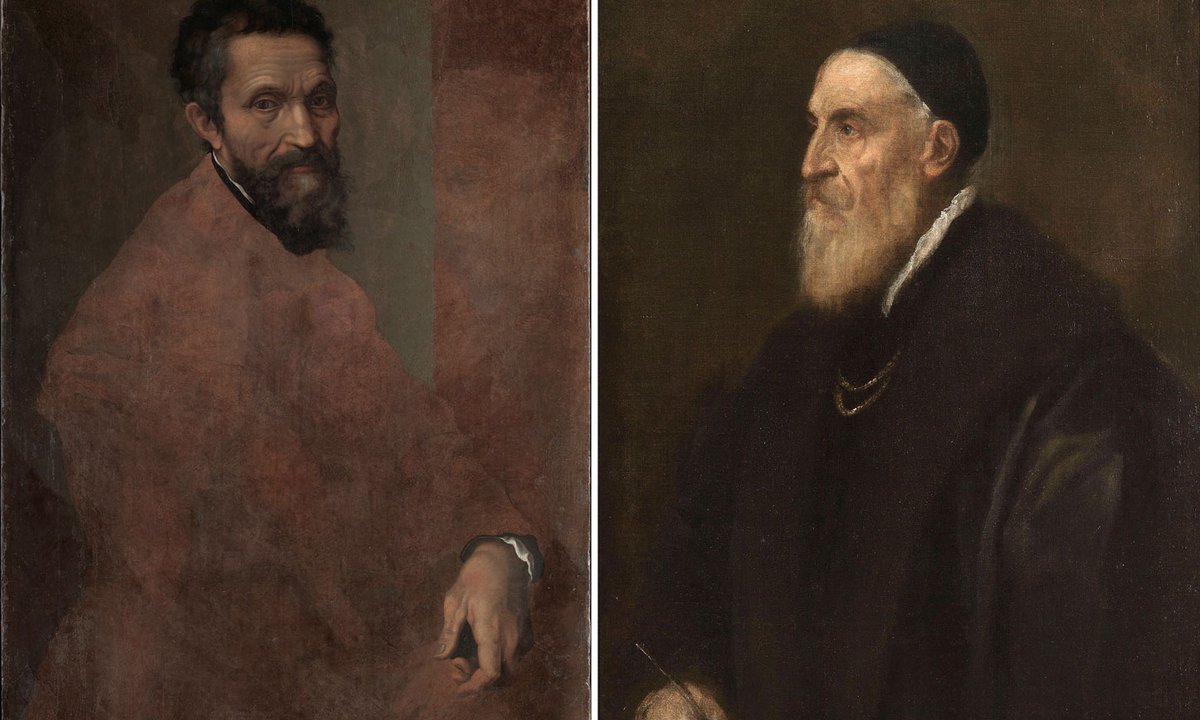
1 month agoClash of the Renaissance titans: an intriguing double biography of Titian and Michelangelo
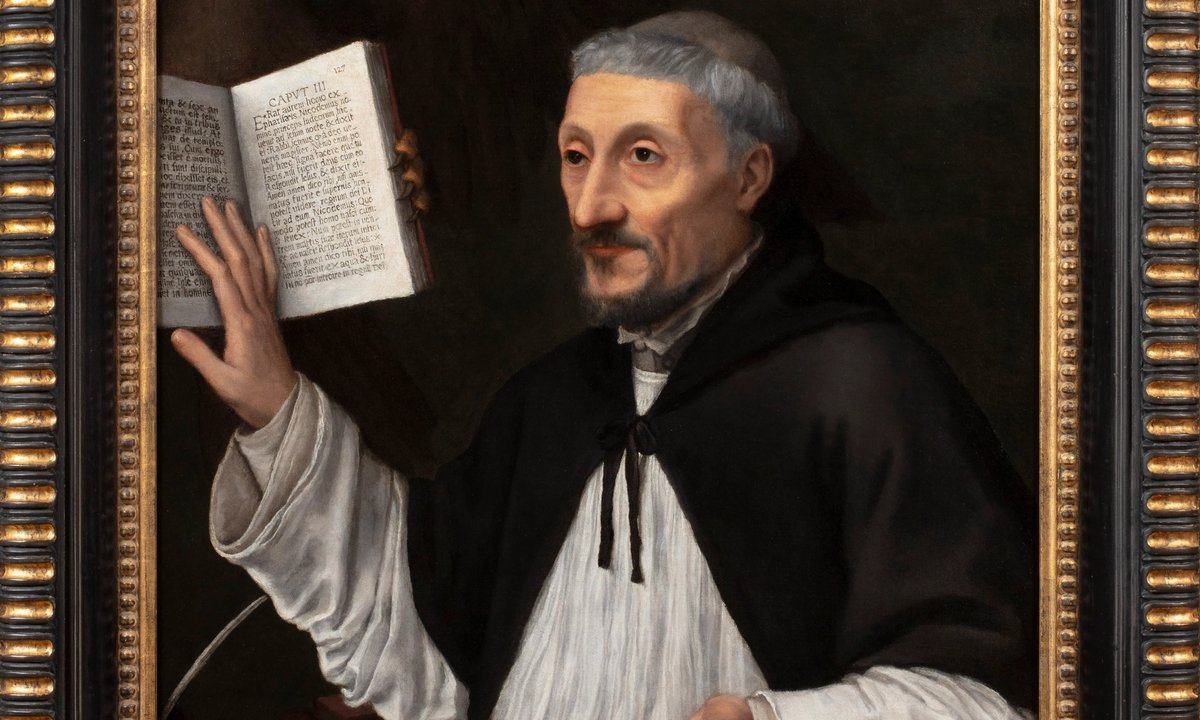
Michelangelo the Elder's lifetime success and character are documented through 17th-century commemorative paintings that reveal how artistic tastes shifted dramatically after his death.
Higher education
fromHarvard Gazette
1 month agoLike seeing art of Roman chapels in technicolor for first time - Harvard Gazette
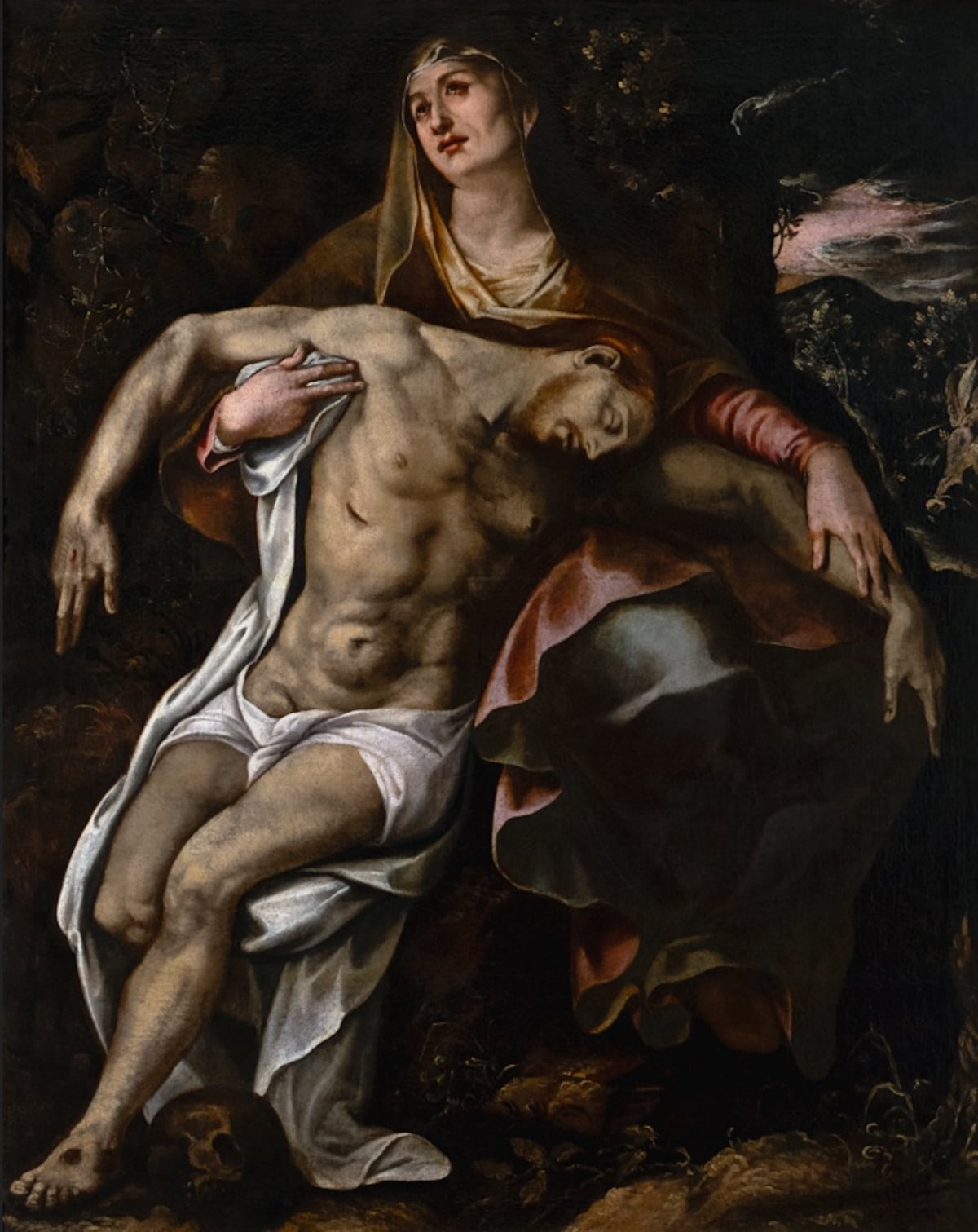
Students learned centuries-old stucco sculpting techniques through hands-on practice, gaining deeper understanding of Renaissance and Baroque artists' material choices and creative processes.


History
fromMedievalists.net
1 month agoMedieval Bronze Doors by Donatello Return to Florence After Restoration - Medievalists.net
Donatello's fifteenth-century bronze doors have been restored and returned to the Old Sacristy of San Lorenzo in Florence, showcasing innovative sculptural techniques and Medici family patronage.
fromKALTBLUT Magazine
1 month agoRENAISSANCE! The body as site - KALTBLUT Magazine
The body becomes a site of transformation. Uniquely crafted pieces engage with the wearer, blurring the line between material, form, and presence. Each one-off creation and streetwear capsule emerges from a conscious, boundary-free creative process, drawing inspiration from visual arts, theatre, music, dance, and the surrounding world.
Fashion & style
fromApartment Therapy
1 month agoThis Soothing Italian Philosophy Transforms the Way I Do Everything
"Piano piano" is an old Italian saying that sounds nonsensical, but is actually full of wisdom, especially if you, like me, are finding yourself wishing away these frigid winter days and hoping spring and summer gets here fast. These days, I've found myself rushing from one thing to the next, frustrated at the smallest things, from post office lines to just missing my train. And I'm ready to make a change.
Mindfulness


fromArs Technica
1 month agoWhat we can learn from scientific analysis of Renaissance recipes
"Reader-practitioners" would tinker with the various recipes, tweaking them as needed and making personalized notes in the margins. And they left telltale protein traces behind as they did so. The team reported their findings in a paper published in The American Historical Review. It's the first time researchers have used proteomics to analyze Renaissance recipes, enhanced further by in-depth archival research to place the scientific results in the proper historical context.
Medicine
fromTravel + Leisure
2 months agoI've Lived in Florence, and These Are the Timeless Italian Fashion Staples I Still Wear to This Day-From $15
Studying abroad in Florence was one of the best decisions of my life for a multitude of reasons-I lived like a true local, ate some of the best meals I've ever had, deepened my appreciation for art and history, learned Italian, and was able to travel to five countries and two continents in just three and a half months. But most importantly, it immersed me in a culture where personal style is second nature, quickly teaching me how to dress in a sophisticated, timeless,
Fashion & style
History
fromMedievalists.net
1 month agoGiotto and Saint Francis Featured in Major Medieval Art Exhibition in Italy - Medievalists.net
Italy's 2026 exhibition celebrates Saint Francis's 800th death anniversary by showcasing Giotto's revolutionary artistic innovations and their impact on medieval sacred art across Umbria.
fromOpen Culture
1 month agoRoman Statues Weren't White; They Were Once Painted in Vivid, Bright Colors
One tenet of classical idealism is the idea that Roman and Greek statuary embodied an ideal of pure whiteness-a misconception modern sculptors perpetuated for hundreds of years by making busts and statues in polished white marble. But the truth is that both Greek statues and their Roman counterparts were originally brightly painted in riotous color.
History
Arts
fromThe Art Newspaper - International art news and events
1 month ago'It has nothing to do with Michelangelo': expert wades in on painting newly attributed to Renaissance master
Belgian art historian Michel Draguet claims to have discovered a Michelangelo painting from the 1540s, but leading Renaissance experts dispute the attribution based on artistic style analysis.
History
fromMedievalists.net
2 months agoNew Medieval Books: Twenty-Five Women Who Shaped the Italian Renaissance - Medievalists.net
Italian women between 1450 and 1650 played influential roles across politics, literature, art, music, science, and religion, leaving lasting cultural and intellectual legacies.
Arts
fromArtnet News
1 month agoAnnibale Carracci Should Be as Famous as Rembrandt van Rijn
Annibale Carracci, a 16th-century Italian artist, made groundbreaking contributions to Western art that rivaled Rembrandt's influence, including establishing an innovative art academy that revolutionized artistic training methods.
fromMedievalists.net
1 month agoCaterina Sforza's Renaissance Recipes for 'Restoring' Virginity - Medievalists.net
If you follow the advice of Caterina Sforza, 'you will see that thing become so narrow that you yourself will be in admiration.' That striking promise appears in the Experimenta, a collection of recipes attributed to the Renaissance noblewoman Caterina Sforza. Best known as the formidable ruler of Imola and Forli and a fierce opponent of the Borgia family, Sforza also cultivated a keen interest in medicine, alchemy, and cosmetics.
History
fromArtnet News
1 month agoPreviously Unseen Dante Gabriel Rossetti Portrait Goes on View for the First Time
Unlike Rossetti's Pre-Raphaelite paintings of winsome maidens surrounded by flowers, the 1877 chalk portrait of his sister offers a flat, realistic impression. She wears an impenetrable expression and dull-colored clothing that blends into an unadorned background. The somber tone is the product of family tragedy: Christina remains in mourning following the death of her older sister Maria, a writer and Anglican nun, in 1876.
Arts

Arts
fromThe Art Newspaper - International art news and events
2 months agoArtemisia Gentileschi, Michelangelo and Rembrandt bring new energy and records to New York's Old Masters sales
New York Old Masters auctions set record prices across artists—Artemisia Gentileschi, Michelangelo, Rembrandt, Canaletto—bringing historically significant, newly surfaced and restituted works into public view.
fromwww.theguardian.com
2 months agoBring it back': Sicilians say Antonello da Messina's Ecce Homo belongs with them
levelled much of the city. Along with homes, churches and monuments, invaluable historical sources and documents were lost, including works by Messina's greatest son, Antonello da Messina, the artist widely credited with transforming the course of Renaissance art. In the space of half a minute, a city's memory and that of one of the greatest painters in history was buried alongside its people.
Arts
Arts
fromThe Art Newspaper - International art news and events
1 month agoA short guide to the hidden meanings in great paintings
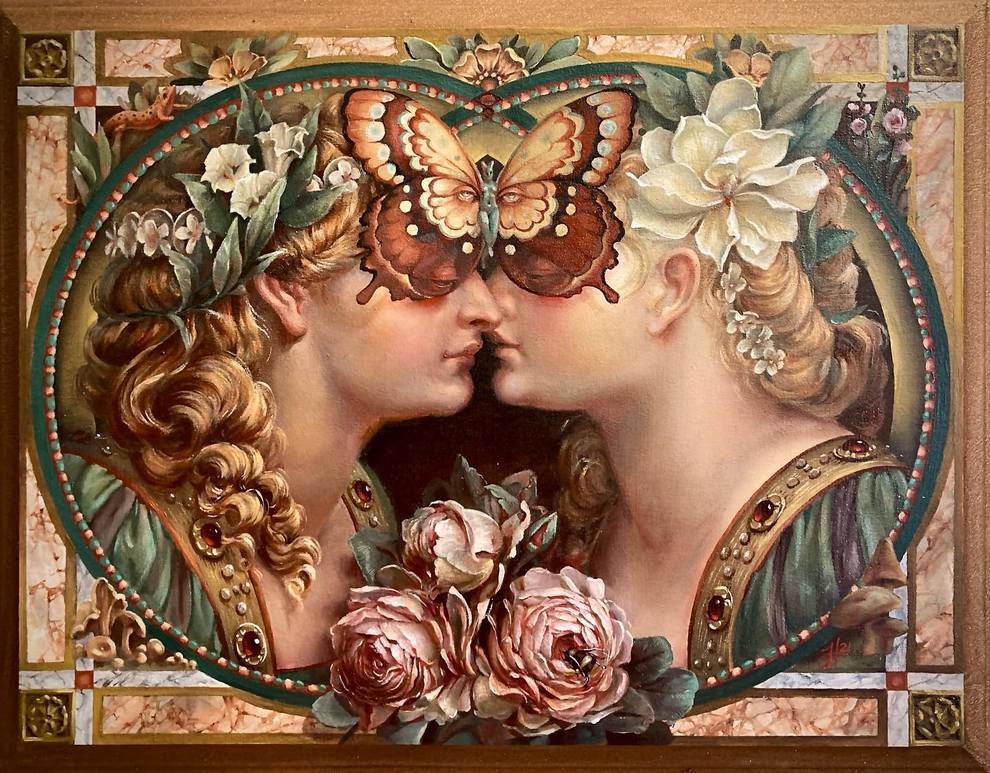
Historic paintings contain symbolic meanings and motifs that convey spiritual, moral, and philosophical messages through objects like apples, angels, books, butterflies, and candles.
fromArtnet News
1 month agoRediscovering Plautilla Bricci, Rome's First Professional Woman Architect
Bricci was a multihyphenate artist active in the mid-17th century, and unique among female artists in that she was not only a painter but also an architect (most famous for a now destroyed Villa Benedetta Il Vascello), sculptor, and amateur musician. The daughter of an artist, Giovanni Bricci, she learned basic skills in his workshop and also worked his connections to meet potential patrons.
Arts
[ Load more ]