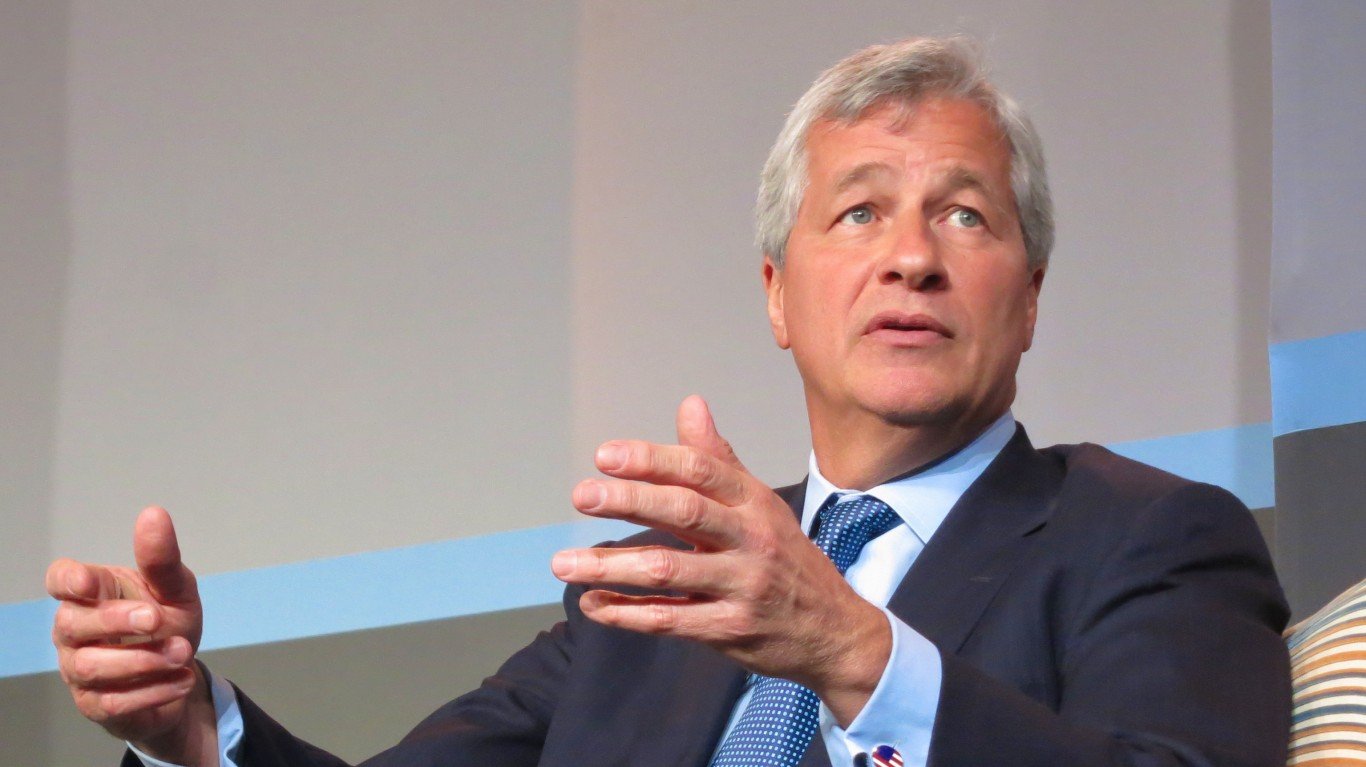
Jamie Dimon cautions that markets are underestimating inflation risks from Middle East tensions, particularly if conflict becomes prolonged. Current inflation metrics show CPI at 2.4% and Core PCE at 3%, leaving minimal buffer for supply shocks. Oil prices have surged to $76.28 per barrel, above June 2025 peaks, already triggering sharp market declines across Asia. Treasury yields have become volatile, dropping to 3.97% before spiking to 4.10%. Dimon emphasizes that while short-term gas price increases may be manageable, prolonged conflict could force Federal Reserve intervention, as markets currently price in best-case scenarios that geopolitical events rarely deliver.
"I don't think this thing in an isolated way will, you know, I think there's some risk, there's more inflation than people think. And that could be like a skunk in a party if that ever happens. Hopefully it doesn't happen. [...] This right now will increase gas prices a little bit. And again, if it's not prolonged, there's not going to be a major inflationary hit."
"The key phrase is 'if it's not prolonged.' Dimon isn't predicting catastrophe. He's warning that markets are priced for a best-case scenario, and geopolitics rarely delivers those."
"CPI sits at 2.4% year-over-year as of January 2026, and Core PCE, the Fed's preferred measure, came in at 3% for December 2025. Neither number is alarming on its own, but there's no buffer. Core PCE was 2.7% in October and has stayed stubbornly at or above that level all of 2025."
Read at 24/7 Wall St.
Unable to calculate read time
Collection
[
|
...
]