#oil-prices
#oil-prices
[ follow ]
#strait-of-hormuz #iran #us-iran-relations #gas-prices #strategic-petroleum-reserve #supply-and-demand

#stock-market
Business
from24/7 Wall St.
1 day agoHere Are Friday's Top Wall Street Analyst Research Calls: Avis Budget, Caterpillar, Celestica, Commvault Systems, Ciena, Dutch Bros. e.l.f. Beauty, Hershey, Roblox, and More
Major indices surged on Thursday despite mixed economic indicators, with significant earnings and a drop in unemployment claims influencing market performance.
Business
from24/7 Wall St.
5 days agoHere Are Monday's Top Wall Street Analyst Research Calls: Adobe, Advanced Micro Devices, CrowdStrike, DoorDash, Fortinet, GE Vernova, Snap, StubHub, and More
Major indices closed higher, with Nasdaq and S&P 500 hitting new all-time highs, while Treasury yields fell and oil prices showed mixed results.
Business
from24/7 Wall St.
1 week agoHere Are Thursday's Top Wall Street Analyst Research Calls: Boston Scientific, Datadog, Deckers Outdoor, McDonald's, Murphy USA, On Semiconductor, Palantir Technologies, Texas Instruments, and More
Stock markets reached new highs driven by hopes for a U.S.-Iran ceasefire and strong corporate earnings, despite ongoing inflation concerns.
#middle-east-conflict
World news
fromLondon Business News | Londonlovesbusiness.com
1 day agoOil futures hold with further upside risk ahead - London Business News | Londonlovesbusiness.com
Oil prices rise due to escalating Middle East tensions and concerns over oil infrastructure, with expectations of higher prices persisting longer than anticipated.
World news
fromLondon Business News | Londonlovesbusiness.com
1 week agoOil falls while the risk of renewed escalation remains high as the ceasefire nears its end - London Business News | Londonlovesbusiness.com
Oil prices declined amid optimism about a potential end to the Middle East conflict, despite risks of renewed escalation.

Business
from24/7 Wall St.
2 days agoHere Are Thursday's Top Wall Street Analyst Research Calls: AbbVie, Equinix, GE Healthcare, Kratos Defense, Meta Platforms, Oneok, Palantir Technologies, Wingstop, and More
Futures are higher after a volatile trading session, influenced by oil prices, Federal Reserve decisions, and geopolitical tensions with Iran.
fromwww.cbc.ca
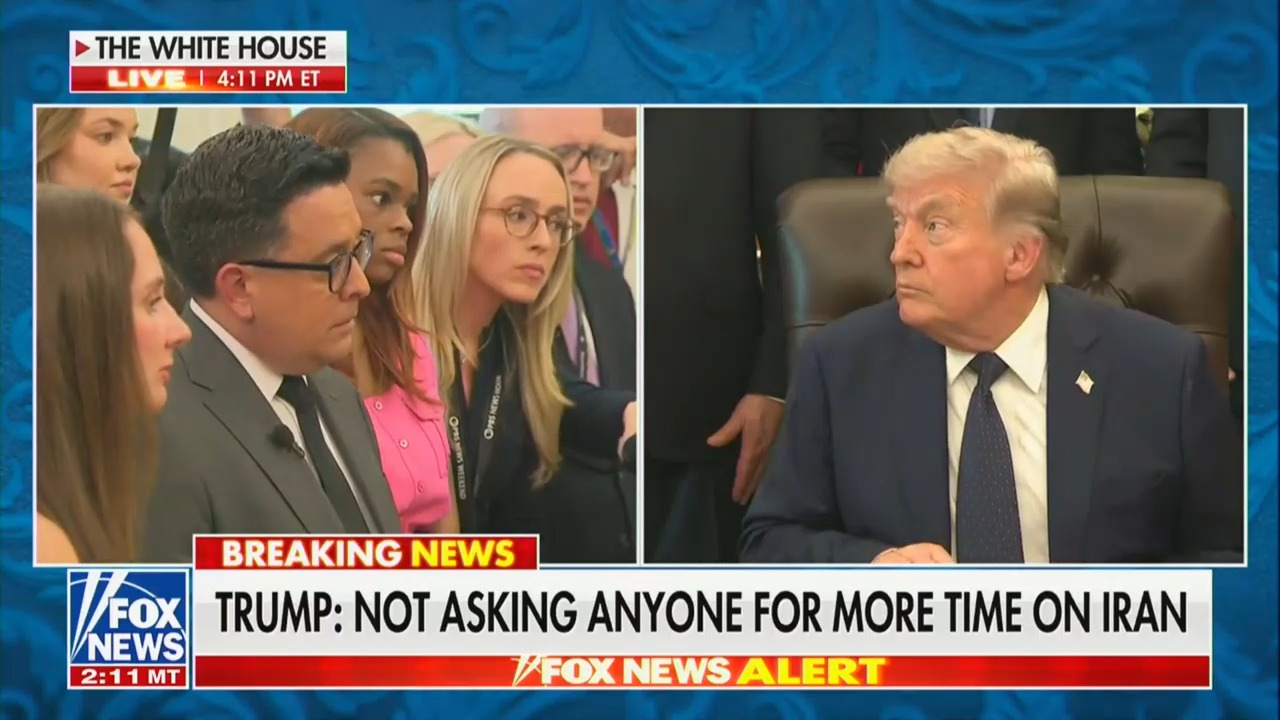
2 days agoOil prices rise amid new U.S. threat, few signs of breaking stalemate with Iran | CBC News
The breakdown of talks between the U.S. and Iran, along with President Trump reportedly rejecting Iran's proposal for a reopening of the Strait of Hormuz, has the market losing hope for any quick resumption in oil flows.
World news


#futures
Business
from24/7 Wall St.
3 days agoHere Are Wednesday's Top Wall Street Analyst Research Calls: Alibaba, Boston Scientific, Brown-Forman, Charter Communications, Franklin Resources, Spotify, T-Mobile, and More
Futures are modestly higher midweek despite major indices closing lower due to mixed earnings and geopolitical tensions.
Business
from24/7 Wall St.
4 days agoHere Are Tuesday's Top Wall Street Analyst Research Calls: American Homes 4 Rent, BP, Fortis, International Business Machines, Micron Technology, Nucor, Opendoor Technologies,Rambus, and More
Futures are trading lower as Wall Street anticipates earnings reports from 30% of the S&P 500 companies this week.
fromBusiness Matters
3 days agoBritain braces for 35bn energy shock as Iran conflict pushes inflation back above 4%
The war in Iran and the resulting blockade of the Strait of Hormuz will tear a £35 billion hole in UK output over the next two years, push consumer price inflation back above 4 per cent, and force the Bank of England to raise interest rates rather than cut them.
UK news
World news
fromLondon Business News | Londonlovesbusiness.com
4 days agoMiddle East oil shock could cost the world economy hundreds of billions - London Business News | Londonlovesbusiness.com
A crisis in the Middle East could reduce the global economy by $1 trillion due to disruptions in oil supply and rising energy prices.
fromLondon Business News | Londonlovesbusiness.com
4 days agoDollar edges higher amid concerns about progress in the Middle East
The dollar index edged slightly higher on Tuesday as concerns about the lack of progress in the diplomatic efforts between the US and Iran reinforced safe-haven demand.
World news
World news
fromLondon Business News | Londonlovesbusiness.com
6 days agoGovernment working tirelessly to ensure food and fuel crisis is being properly observed - London Business News | Londonlovesbusiness.com
The Government is reassuring the public about oil supply stability amid rising prices due to the Strait of Hormuz closure.
Europe news
fromLondon Business News | Londonlovesbusiness.com
1 week agoFTSE dips amid oil surge and geopolitical uncertainty - London Business News | Londonlovesbusiness.com
FTSE 100 declined as investors reacted to Middle East conflict uncertainty and mixed signals regarding potential diplomatic progress.
fromFortune
1 week agoFortune
Chris Ong, Seatrium's CEO, sees the Iran conflict sharpening what specialists call the energy trilemma, or the trade-off between energy security, affordable supply, and environmental sustainability. "The situation is now even worse because of the destruction of supply, which is still not fully priced in," Ong says. "People don't understand; they have been swung between different stories every day."
Toronto startup
fromLondon Business News | Londonlovesbusiness.com
1 week agoMotorway speed cut urged as experts warn fuel shock could strain supplies - London Business News | Londonlovesbusiness.com
"Fuel use increases significantly at higher speeds, so even a relatively small reduction can result in noticeable savings," he stated. He added that lowering motorway speeds could improve fuel efficiency by around 10%, depending on the vehicle.
Alternative transportation
World news
fromLondon Business News | Londonlovesbusiness.com
1 week agoGold pressured as Middle East tensions lift yields - London Business News | Londonlovesbusiness.com
Gold faces pressure due to rising geopolitical tensions, increased oil prices, and inflation concerns, impacting investment flows and market dynamics.
[ Load more ]