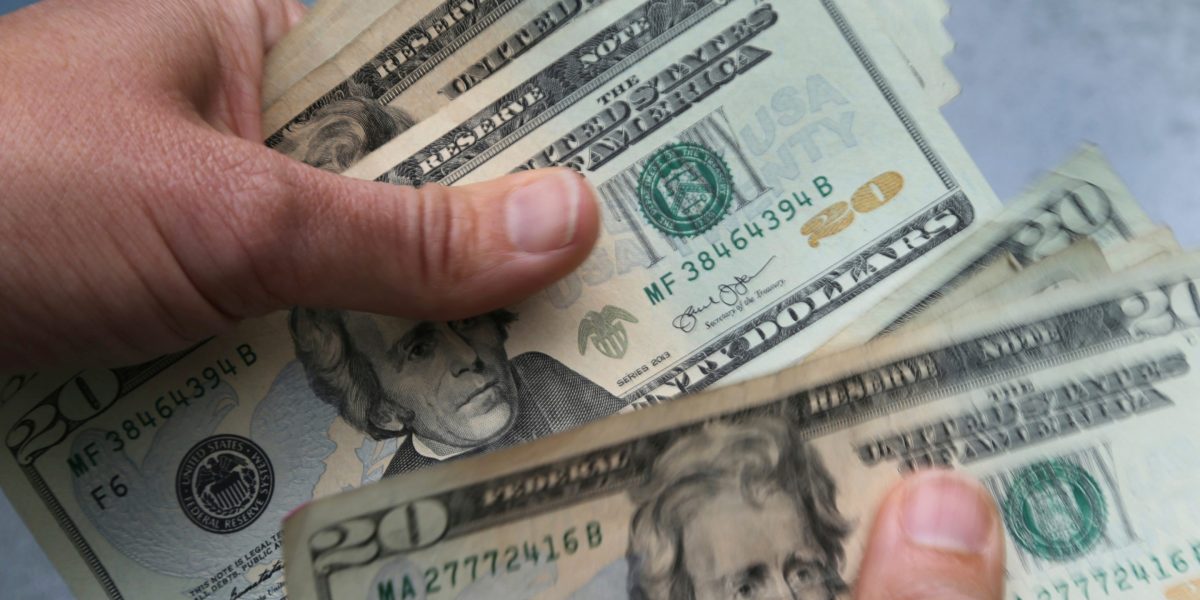
"A big reason the term is popping up so often is that it helps explain an unusually muddy and convoluted period for the U.S. economy. Growth appears solid, yet hiring is sluggish and the unemployment rate has ticked up. Overall consumer spending is still rising, but Americans are less confident. AI-related data center construction is soaring while factories are laying off workers and home sales are weak. And the stock market still hovers near record highs even as wage growth is slowing."
"It also captures ongoing concerns around affordability, which is much more of a concern for middle and lower-income households. Persistent inflation has received renewed political attention after voter anger over costly rents, groceries, and imported goods helped Democrats win several high-profile elections last month. "Those at the bottom are living with the cumulative impacts of price inflation," said Peter Atwater, an economics professor at William & Mary in Virginia. "At the same time, those at the top are benefiting from the cumulative impact of asset inflation.""
The K-shaped economy describes higher-income Americans seeing incomes and wealth rise while lower-income households face weaker income gains and steep prices. The label explains a period with mixed signals: economic growth appears solid even as hiring is sluggish and the unemployment rate has ticked up. Overall consumer spending remains elevated while consumer confidence has slipped. AI-related data center construction and strong stock-market performance contrast with factory layoffs, weak home sales, and slowing wage growth. Persistent inflation has worsened affordability for middle- and lower-income households and has influenced recent political outcomes.
Read at Fortune
Unable to calculate read time
Collection
[
|
...
]