US politics
fromHarvard Gazette
2 days agoWhat it will take to turn things around - Harvard Gazette
The U.S. needs a unifying leader and a functional government to address political divisiveness and foreign policy issues.
Statistics Canada reported that the income gap measuring the difference in disposable income between the top 40 percent and bottom 40 percent reached 46.7 percentage points in 2025, up from 46.4 percentage points the previous year.
The report contends that the lower rungs of the middle class shrank because more Americans got richer, with 31% of families classified as upper middle class in 2024.
You've got to show [people] government can work. Shapiro made a straightforward but understandable case, arguing that not solving problems can lead to an increase in cynicism. He mentioned the evolution of the permitting system in Pennsylvania under his tenure as governor as one example of demonstrating governmental effectiveness and addressing constituent concerns through tangible policy improvements.
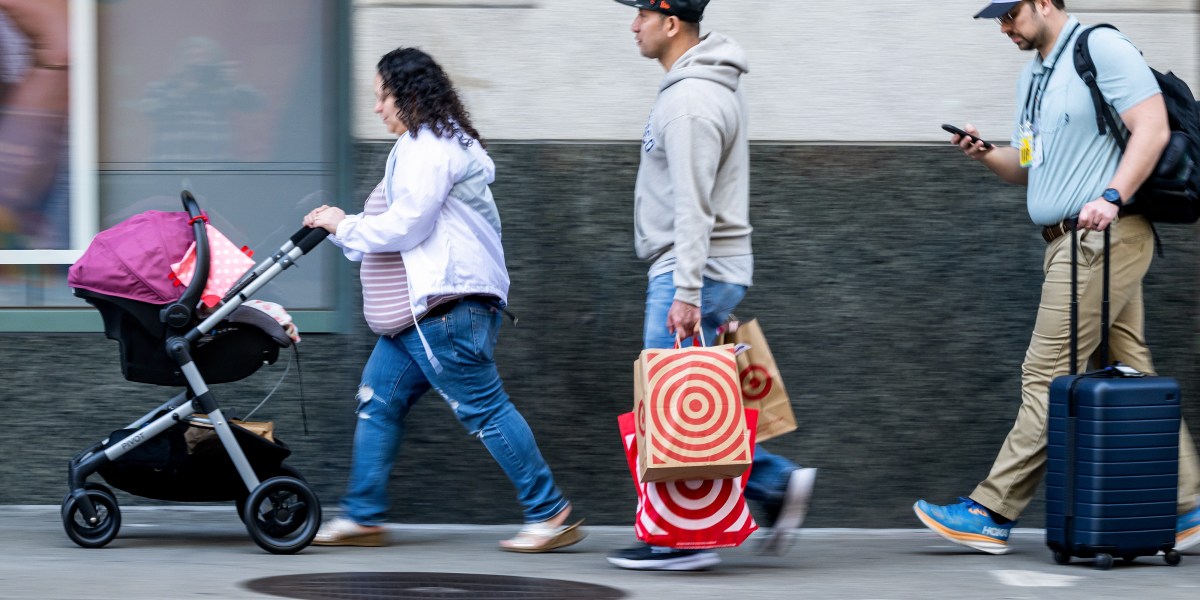
Over half of Americans, 60%, say a weeklong vacation is unaffordable-and even 49% report the small joy of going out to dinner is out of their budgets. Around 74% also say buying a new car is too expensive, but beyond these commonplace "luxuries," U.S. adults are battling the exorbitant costs of everyday essentials.
The next presidential campaign, I hope, gets behind: Nobody pays income tax below $100,000 a year starting 2030. I think policy, which will be driven by politics, will drive where we end up on this equation.
Delinquency rates across mortgages, credit cards, auto loans and student debt have climbed to their highest levels in nearly a decade, reaching 4.8% of outstanding household debt in the fourth quarter. While headline numbers remain within long-term historical ranges, a closer look reveals where stress is building: lower-income ZIP codes, younger borrowers, and markets experiencing slowing or declining home values.
For 40 years I have been a proud valley resident. But I am increasingly appalled by how our tech leaders are shaping our future. And, more recently, embarrassed for the valley. The links to Jeffrey Epstein. The trips to Mar-a-Lago. The donation of millions for monuments to President Trump's ego. The failure to use power and technology to call out the cruelty and lies that are the backbone of the current administration.
The latest Census data also suggest the next phase of U.S. politics will be shaped less by a single national economy than by who benefited from growth and where they live. By the numbers: The U.S. median household income rose to $80,734, the 2020-2024 American Community Survey released Thursday and examined by Axios showed. That's a 4.4% jump from 2015-2019 after inflation.
A nerdy economics essay recently went viral. It asserted that the federal measure for the poverty line was woefully outdated and that for a family of four, the income needed today to function in American society was $140,000. The essay, by Michael Green, a financial market strategist, struck a nerve and set off another round of debate about affordability, focused this time on whether people with six-figure incomes should feel strapped.
The dirty secret many now understand is that a lot of wage labor is not enough to get by in America anymore. The past promise of working hard for 40 hours per week and getting a home and a retirement in return is gone for a significant chunk of this country, stripped away by capitalists whose only desire in their miserable lives is to have more than they currently do.
Social class permeates all aspects of life, and love is no exception. In Spain, for instance, couples don't form randomly; rather, they're typically determined by socioeconomic factors. This means that people tend to partner with those most similar to themselves in terms of income and wealth. And, at the top of the social ladder, this tendency intensifies. Those who earn and have the most assets find each other with a frequency three times greater than would occur in a society where relationships were completely random.
The narrative surrounding the "resilient U.S. consumer," which has been a major upside surprise in 2025, is now facing significant headwinds, according to the Global Investment Committee (GIC) at Morgan Stanley Wealth Management. While consumer spending has maintained a steady nominal growth rate of 5% to 6%, underpinning a bullish outlook for US equities in 2026, the GIC is expressing caution. Lisa Shalett, chief investment officer and head of the GIC, warned that although the broader macroeconomic picture remains cautiously optimistic, the "K-shaped" economy demands greater scrutiny.
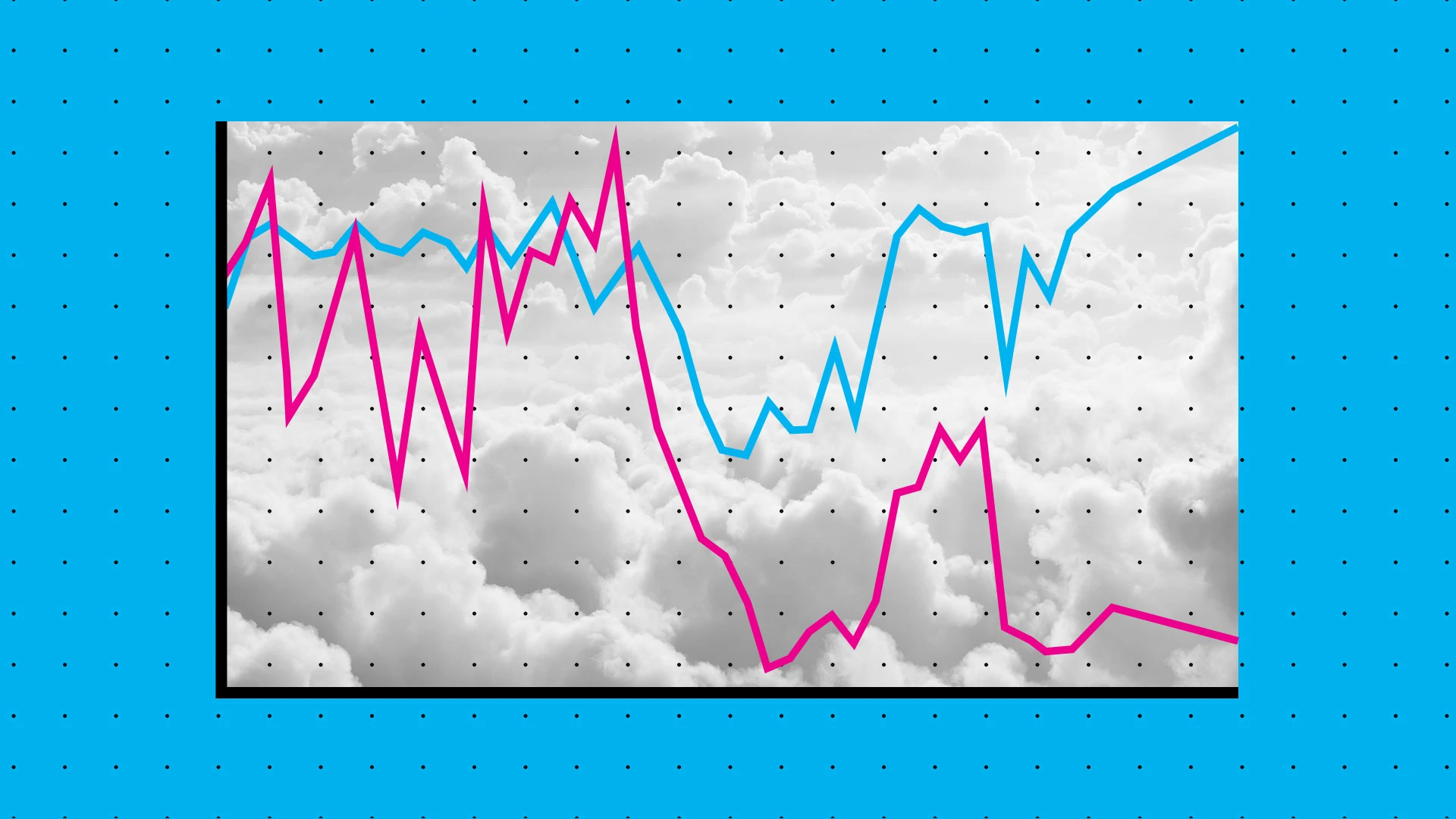
A decade ago, low-income workers saw wages grow at the highest rate of any Americans. Now, the opposite is true, and the gap is widening between how quickly wages increase for wealthy and poorer U.S. households. In a Monday blog post titled "K-shaped economy," Apollo chief economist Torsten Slok warned the growing disparity is yet another sign of today's economy continuing to serve the rich, while poor Americans continue to struggle.
An Oxford don in charge of mathematical finance told its reporters that almost all his students ended up working at quant trading firms, on salaries from 250,000 to 800,000. If you get offered a salary less than 250K, you're kind of the sad guy, he said, adding that nobody I know interviews for JPMorgan, Goldman Sachs not once do I hear anybody entertain any of these traditional investment banking jobs.