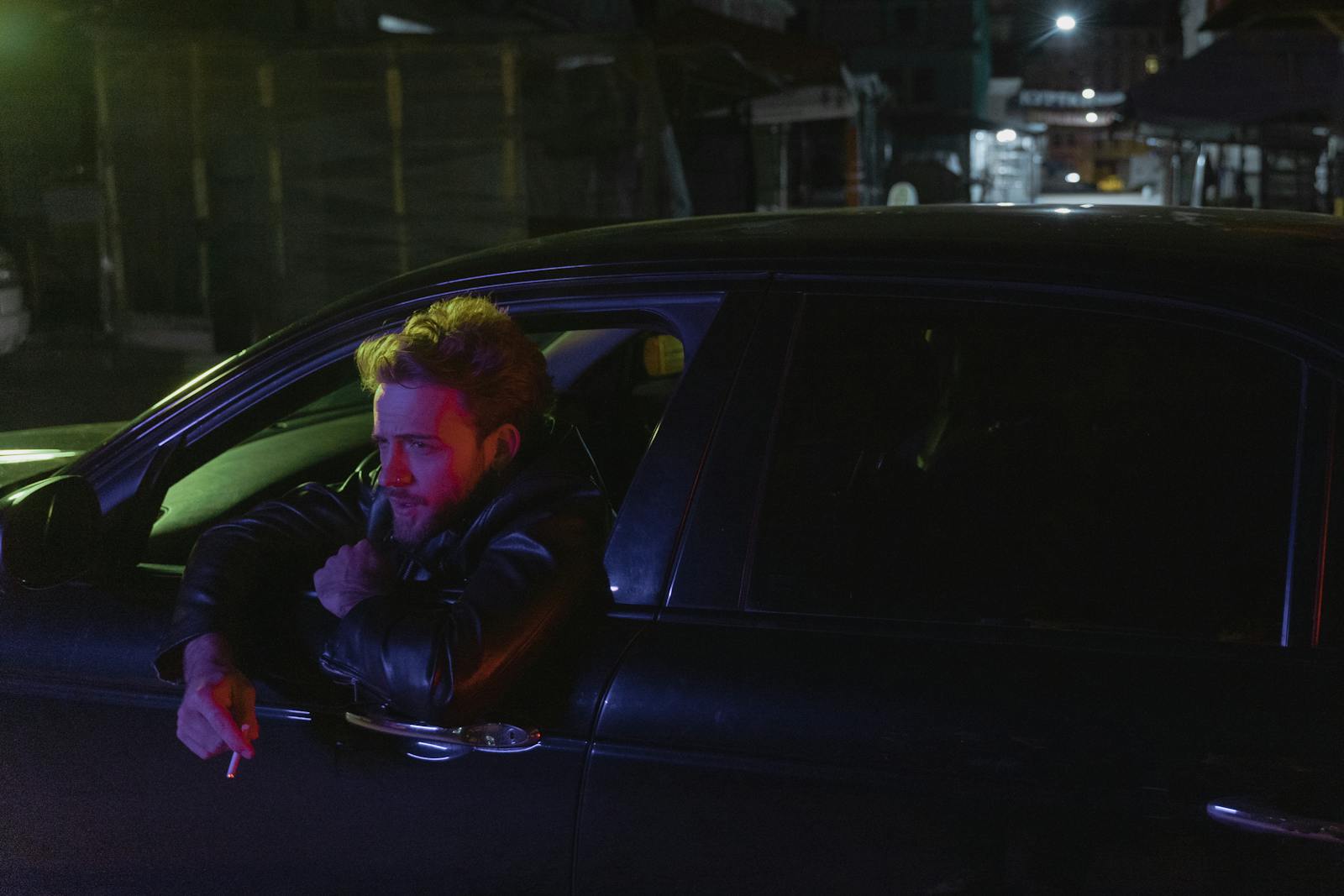
"The individual who is most visible within a group is frequently the one least seen by it. The designated comedian occupies this position almost structurally, where levity is exchanged for a tacit agreement that the performer requires no reciprocal concern."
"The funny one gets quoted in the group chat three times a week, yet when he cancels plans with a joke, nobody texts him privately to ask if he is alright, as punchlines do not read as distress signals."
"Most people assume the funny one is fine because he sounds fine. The voice is light, and the self-deprecation looks like confidence, but performing a problem allows one to control the frame before anyone else can."
The designated comedian in a social group often appears visible yet experiences deep loneliness. Their role creates a social contract where humor is exchanged for a lack of concern from others. This results in a quiet isolation, as the comedian's light-hearted demeanor masks their true feelings. People assume that humor indicates resilience, leading to a lack of genuine inquiry into their well-being. The performance of humor allows the individual to control the narrative, but it also prevents others from recognizing their distress.
Read at Silicon Canals
Unable to calculate read time
Collection
[
|
...
]