"While outright IP theft remains a concern, the greater challenge today is more subtle and systemic."
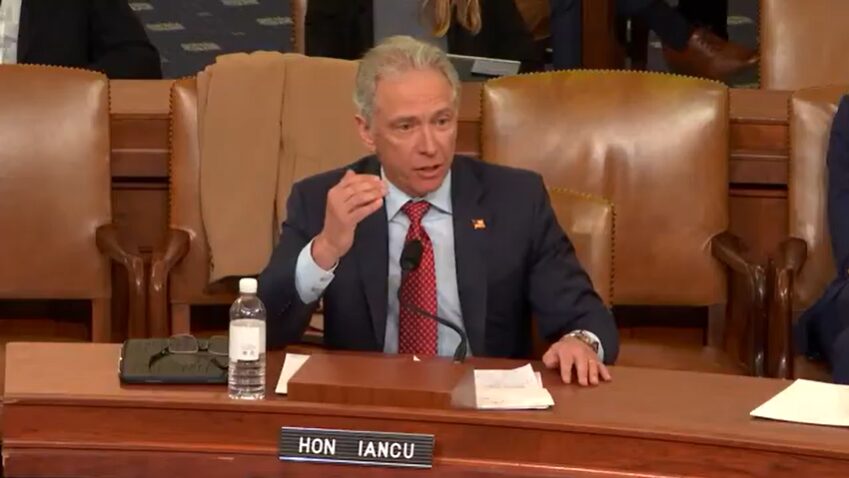
"On Tuesday afternoon, the U.S. House of Representatives Ways and Means Committee's Subcommittee on Trade convened a hearing titled Maintaining American Innovation and Technology Leadership, which explored a host of regulatory and other legal burdens being placed on tech industry trade by foreign governments to the detriment of American innovators and consumers."
"Providing the hearing's opening remarks was Rep. Adrian Smith (R-NE), Chair of the House Trade Subcommittee, who noted that 41% of U.S. gross domestic product contributed by IP-intensive industries is put in peril when foreign governments take action to weaken American IP. Smith castigated the Biden Administration for enabling bad behaviors even among America's close trading partners by pursuing misguided policies like the waiver of TRIPS Agreement obligations for vaccines during the COVID-19 pandemic. Smith also blamed the U.S. approach on digital trade under Biden for leading to the proliferation of digital services taxes (DSTs), which target revenues of large American digital companies, that have been implemented by foreign governments."
Foreign governments are imposing regulatory and legal burdens on tech industry trade that harm American innovators and consumers. A substantial share of U.S. gross domestic product derived from IP-intensive industries is at risk when IP protections are weakened by foreign actions. Waiving TRIPS Agreement obligations for vaccines during the COVID-19 pandemic and the proliferation of digital services taxes targeting large digital company revenues are cited as policies that undermine U.S. interests. The most significant threats to innovation are subtle and systemic rather than only outright IP theft. Concerns exist about policy timing and recent manufacturing job losses affecting U.S. competitiveness.
Read at IPWatchdog.com | Patents & Intellectual Property Law
Unable to calculate read time
Collection
[
|
...
]