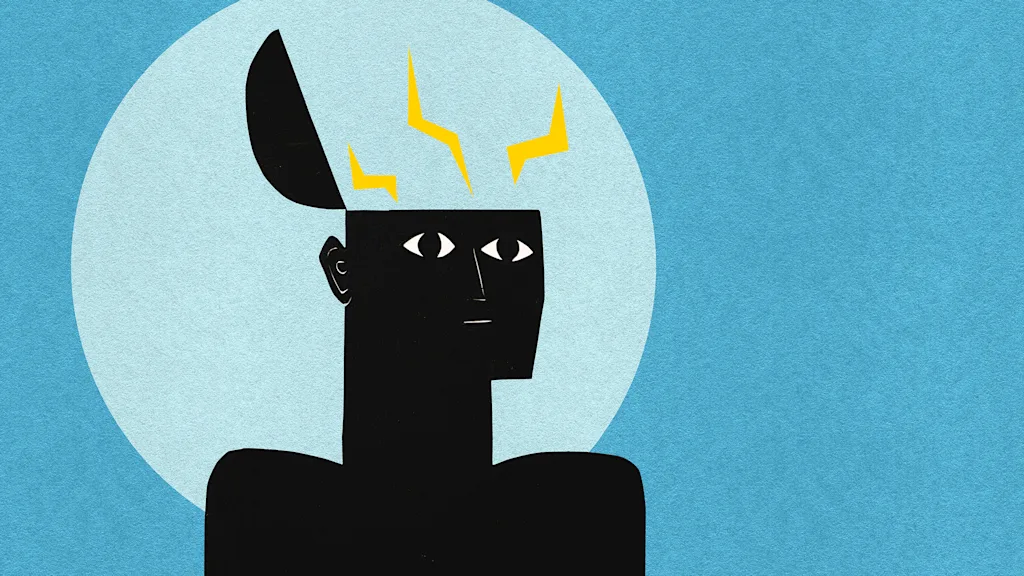
"Burnout is not a catch‑all synonym for “tired,” “busy,” or “stressed.” The World Health Organization defines burnout as a prolonged response to chronic workplace stress, characterized by three dimensions: exhaustion, cynicism (or mental distance from work), and reduced professional efficacy. That specificity matters: burnout is contextual (it is about work), chronic (it builds over time), and multidimensional (it is not just “being exhausted”). Exhaustion can be horrible. But the term “burnout” loses its meaning when someone uses it to describe a bad week at work."
"Headlines and social media captions routinely declare that “everyone is burned out,” often based on self‑report surveys that equate feeling stressed or tired with clinical‑level burnout. And yet peer‑reviewed studies paint a far more nuanced picture: prevalence varies widely depending on occupation, context, and, crucially, the definition and thresholds that they're referring to. When a media outlet asks “Do you feel burned out at work?” in a poll and reports the percentage of “yes” answers as the burnout rate, it conflates a colloquial feeling with a clinically defined syndrome."
"In the time since my own burnout, the term has become ubiquitous. And given the abundance of research on the topic, I'm not going to deny its dangers. Burnout is real, serious, and measurable. However, I don't believe that we're living in a burnout epidemic. What we are living through is an epidemic of the use of the term burnout. And that overuse is blunting the urgency of a massive global issue."
Burnout is not the same as being tired, busy, or stressed. It is defined as a prolonged response to chronic workplace stress with exhaustion, cynicism or mental distance from work, and reduced professional efficacy. This specificity matters because the term loses meaning when used for short-term difficulties like a bad week. Many headlines and social media posts claim that everyone is burned out by using self-report surveys that treat feeling stressed or tired as clinical burnout. Research shows prevalence varies by occupation and context, and results depend on definitions and thresholds. Poll questions that ask whether people feel burned out can therefore inflate burnout rates by conflating colloquial feelings with a clinically defined syndrome.
Read at Fast Company
Unable to calculate read time
Collection
[
|
...
]