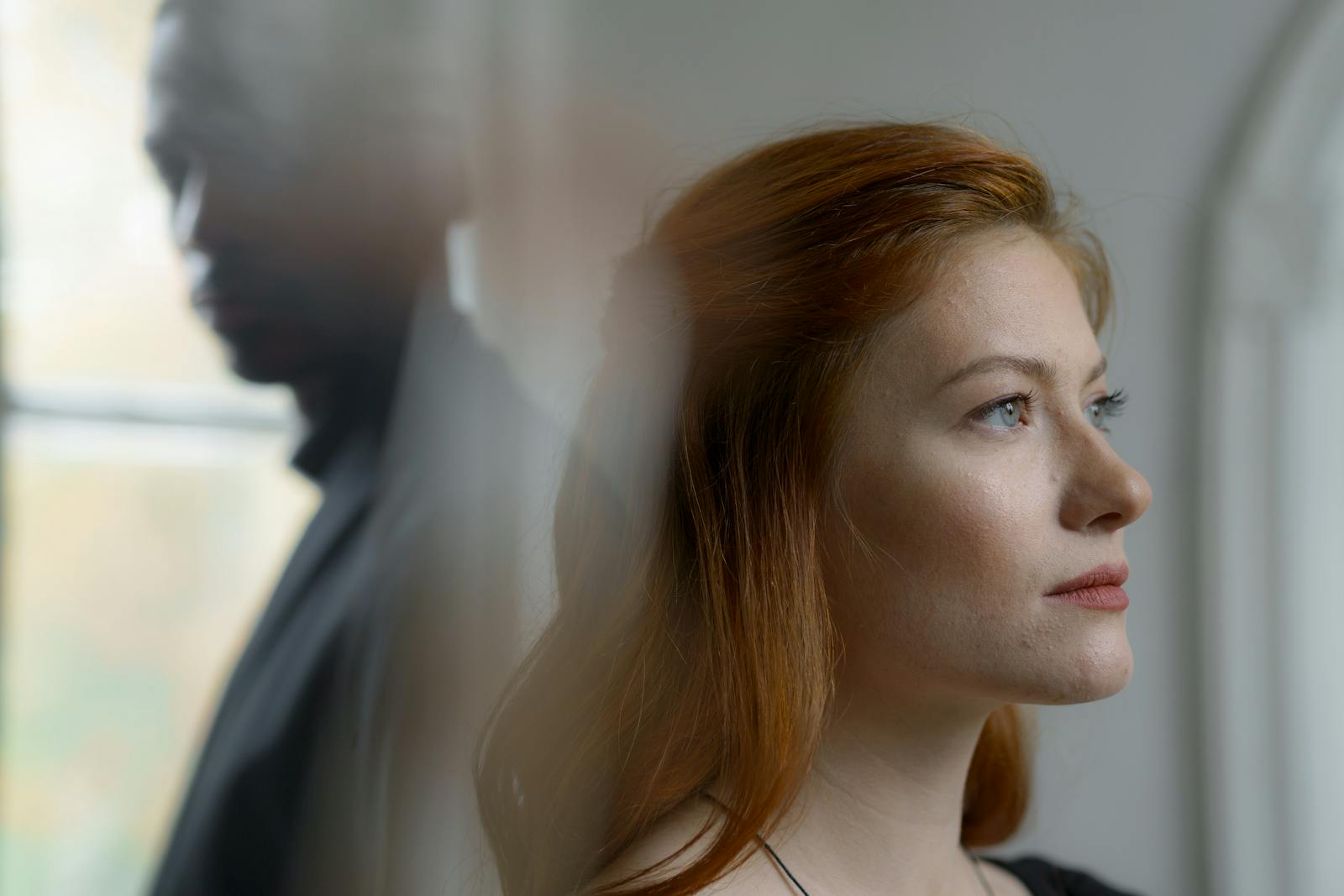
Sensitive children do not simply toughen up over time; instead, their heightened responses become suppressed and automated. Many calm adults are not genuinely calm but are instead managing their emotions in real time. Emotional regulation is often confused with suppression, especially for children raised in environments where feelings are unwelcome. This leads to a lifelong struggle to differentiate between true emotional regulation and the suppression of feelings, which can be detrimental to their emotional well-being.
"The sensitivity didn't dissolve. It went underground, wrapped itself in behavioral patterns that looked like composure, and became so automated that even the person carrying it lost track of what was real feeling and what was performance."
"Many of the calmest people in the room aren't calm at all. They're editing in real time. And they've been doing it so long they've forgotten there's a draft underneath."
"When a child absorbs the message that their feelings are a weakness, it's not about any single situation. It's a verdict on their entire operating system."
Read at Silicon Canals
Unable to calculate read time
Collection
[
|
...
]