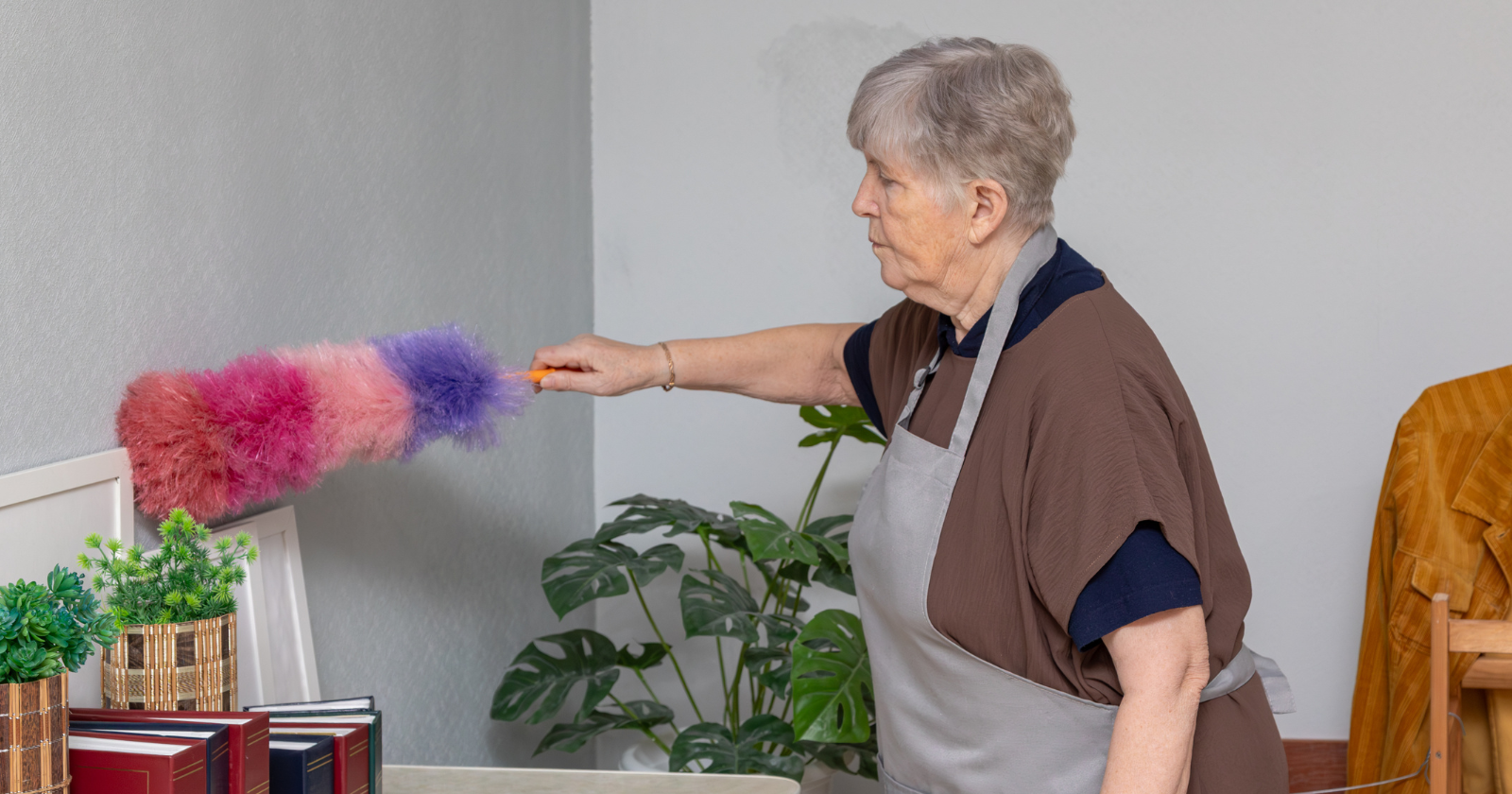
"I'd inherited more than her china cabinet and her stubborn streak; I'd inherited a coping mechanism that everyone praised as industriousness but was actually just anger wearing an apron. The inheritance nobody talks about."
"What they didn't see were the patterns: The way the house got especially pristine after my grandfather forgot their anniversary, how the silverware got polished within an inch of its life when family drama erupted, or the marathon cleaning sessions that followed every disappointment, every slight, every swallowed word."
"We inherit trauma responses like we inherit eye color, quietly and without choosing. Some people inherit the tendency to go silent when upset, while others inherit the impulse to stay busy, to clean, to produce, to prove their worth through motion."
A woman discovers she has inherited her grandmother's coping mechanism of channeling anger and frustration into obsessive cleaning and productivity. During a late-night argument with her husband about finances, she realizes she is repeating her grandmother's pattern of using housework to avoid processing difficult emotions. Her grandmother's immaculate home, widely praised as dedication to homemaking, actually masked deeper emotional struggles. Through her grandmother's letters, she recognizes that constant busyness and motion were used to escape feelings rather than address them. This realization reveals how trauma responses and unhealthy coping mechanisms transmit across generations as silently as physical traits, often remaining unrecognized because they appear as admirable qualities.
#generational-trauma #inherited-coping-mechanisms #emotional-processing #family-patterns #mental-health
Read at Silicon Canals
Unable to calculate read time
Collection
[
|
...
]