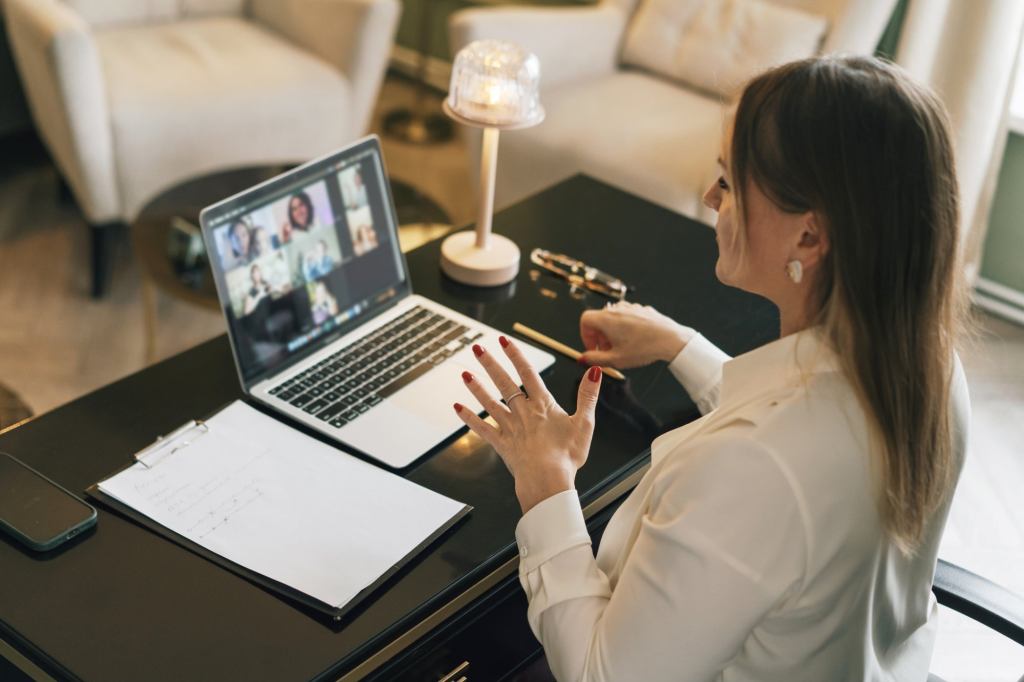
"Hybrid work thrives when flexibility is paired with clear expectations, accountability and measurable performance."
"The in-office days matter more than many leaders realize. Face-to-face interaction still drives creativity in ways that video calls cannot replicate. Collaboration feels more natural. Conversations happen more freely. Relationships build faster when people share space, solve problems together, and read the room in real time. Those moments shape culture in ways that fully remote work struggles to match."
"Without long commutes and constant interruptions, employees found more control over their schedules and their focus. Tasks that require deep concentration often get done faster and with fewer distractions. What surprised me most was not the productivity gain. It was the impact on people."
"Employees do better work when they feel trusted, supported and in control of their time."
Companies continue to refine remote and hybrid work models years after the shift to remote work. Some organizations push for full office returns, others remain fully remote, and many adopt hybrid structures to balance flexibility with performance. Hybrid work works best when it is intentional and grounded in how people work. In-office days support creativity, collaboration, and faster relationship building through real-time interaction. Remote days can maintain or improve productivity by reducing commutes and interruptions, increasing schedule control, and enabling deeper focus. Employees perform better when they feel trusted, supported, and able to manage their time effectively.
Read at Entrepreneur
Unable to calculate read time
Collection
[
|
...
]