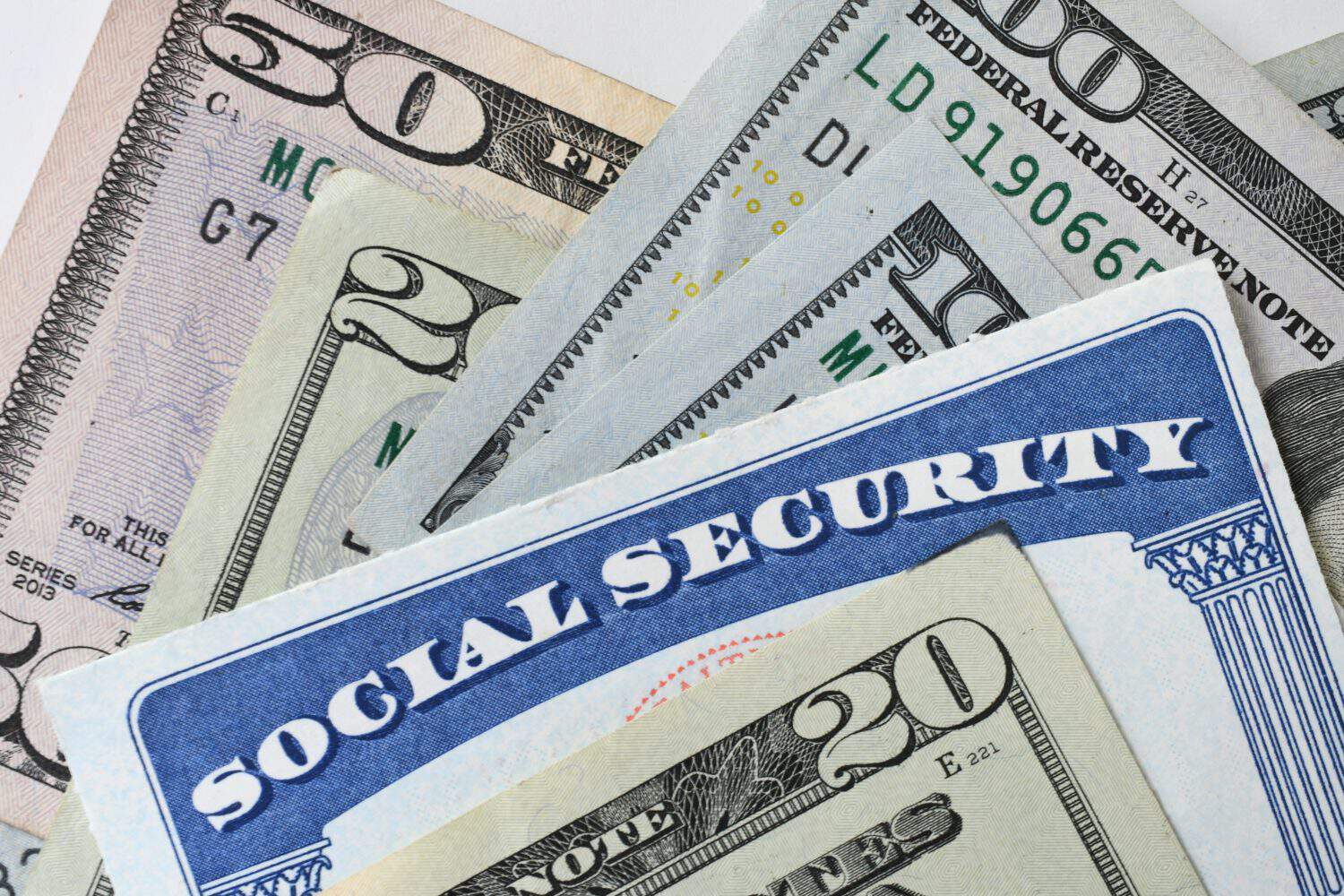
Inflation rose after the pandemic, prompting the Federal Reserve to raise its benchmark interest rate and increase borrowing costs. Inflation later cooled, leading to three rate cuts in 2025, and many economists expected further cuts in 2026. Rate cuts typically follow steadily cooling inflation, rising unemployment, or weak economic growth. Consumer prices have recently increased again, with April CPI rising 3.8% annually, above the 2% long-run target, driven largely by oil and gas costs tied to the Iran conflict. If prices remain elevated and consumers continue spending despite higher costs, rate cuts become less likely. The Fed does not directly change Social Security benefits, but COLAs are tied to CPI-W inflation, so higher inflation can increase COLAs and strain consumer budgets.
"The Fed typically cuts interest rates under a few key circumstances: Steadily cooling inflation, Rising unemployment rates, Weak economic growth. But consumer prices have been surging following the Iran conflict, mostly in the realm of oil and gas. In April, the Consumer Price Index rose 3.8% on an annual basis. That's well above the Fed's preferred 2% inflation target over the long run."
"Now that uptick in higher costs may be temporary. If the Iran conflict settles down, prices could start to come down, at which point the Fed may be inclined to lower interest rates. But if consumers keep spending despite higher costs, the Fed is less likely to make cuts. And while many consumers are feeling less confident in the economy these days, the unemployment rate is low, making rate cuts less necessary."
"The Fed does not have a direct impact on Social Security benefits. Those benefits are calculated based on workers' earnings. And the program's cost-of-living adjustments (COLAs) are based on inflation readings. Specifically, COLAs are pegged to the Consumer Price Index for Urban Wage Earners and Clerical Workers (CPI-W), a subset of the broader Consumer Price Index."
"Now if the Fed doesn't cut rates in the near term, here's what could happen: Consumer budgets could start to buckle under the weight of higher costs. Consumer confidence could fall even more. Consumer spending co"
Read at 24/7 Wall St.
Unable to calculate read time
Collection
[
|
...
]