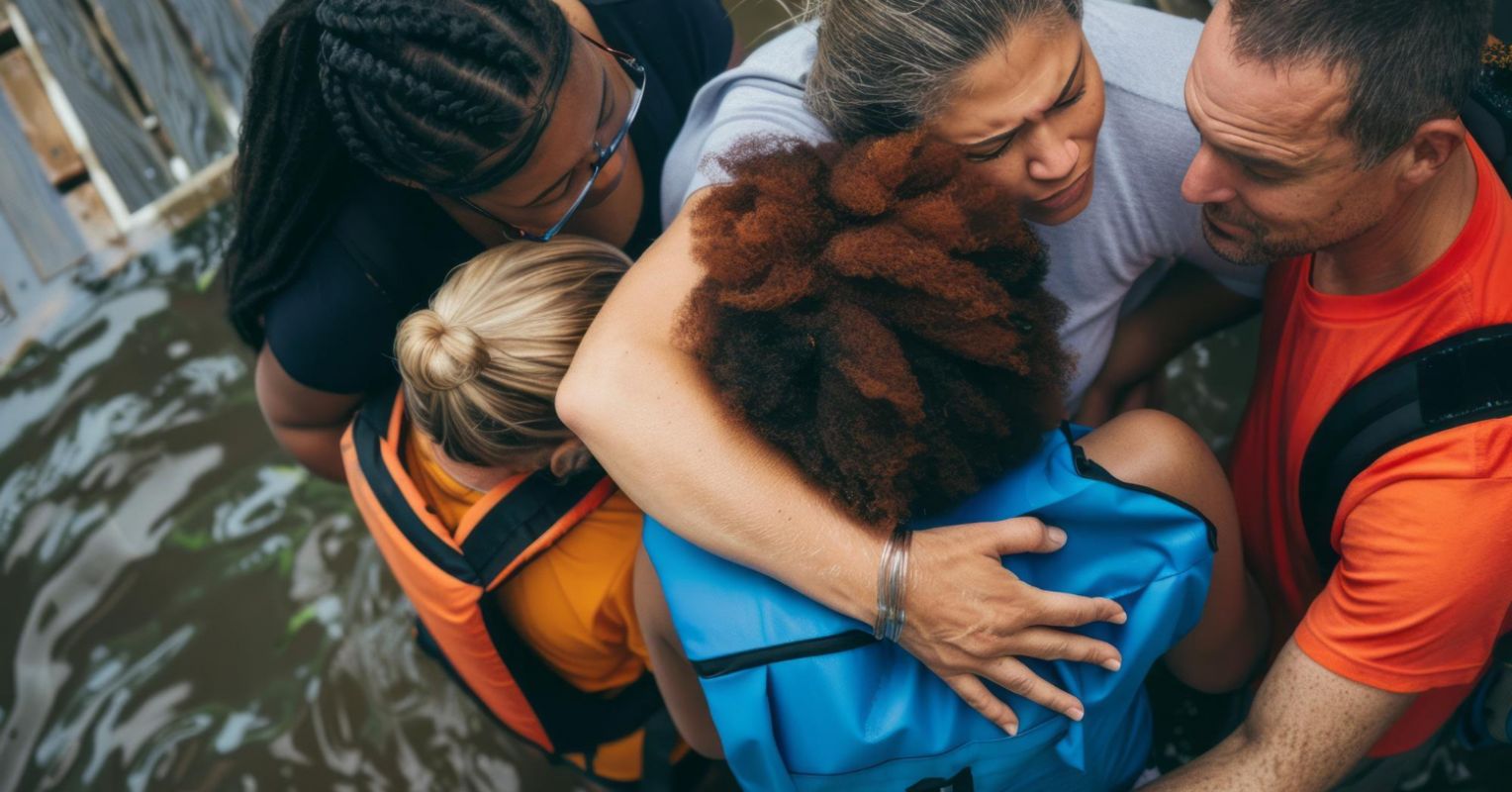
"Many of the people responsible for leading recovery efforts were living through the same disasters themselves, all at the same time. These were senior emergency management officials who lost family members, buried loved ones, stood in food lines, and went months without power. All the while, they needed to step up as leaders in their communities, helping others through trauma that they were, themselves, experiencing at the same time."
"One participant lost his father. He buried him. And went to work the same day. "Nobody really knew what I was dealing with," he told Tutein. "But I had a job to do.""
"The research literature has consistently overlooked this dynamic. Studies on disaster recovery treat survivors and emergency leaders as separate populations w"
Two Category 5 hurricanes struck the U.S. Virgin Islands in September 2017, causing widespread destruction and displacement. Many senior emergency management officials responsible for recovery were also experiencing the same losses, including family deaths, prolonged power outages, and daily hardships. These leaders had to continue working while dealing with trauma and grief, often without others understanding what they were facing. Helping others in real time became a pathway for healing and resilience for both the leaders and the community. Research found that existing disaster recovery literature often treats survivors and emergency leaders as separate groups, missing this overlap. Organizations that provide support to leaders who are both helpers and victims strengthen resilience.
#disaster-recovery #emergency-management #community-resilience #survivor-leadership #trauma-and-healing
Read at Psychology Today
Unable to calculate read time
Collection
[
|
...
]