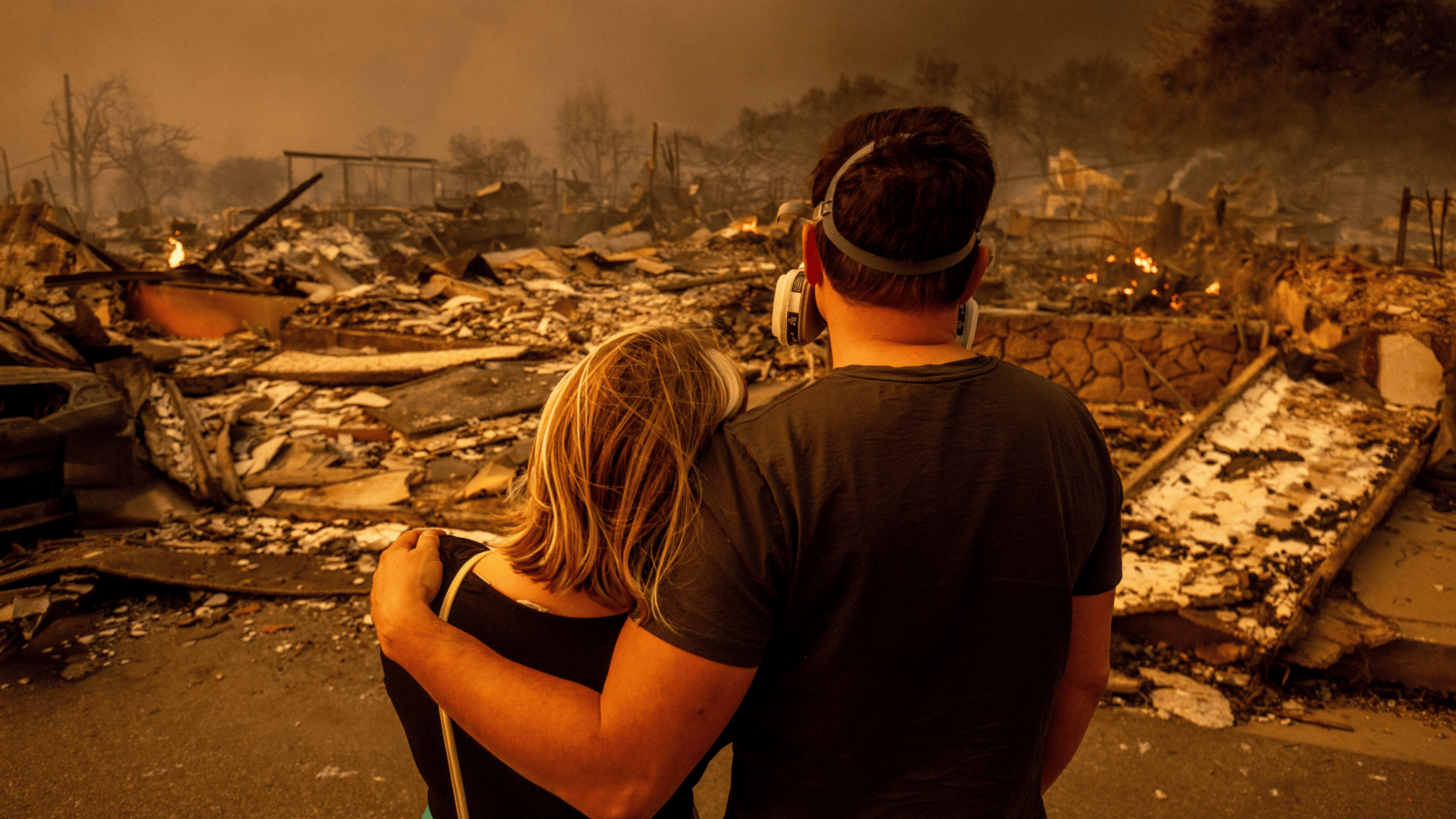
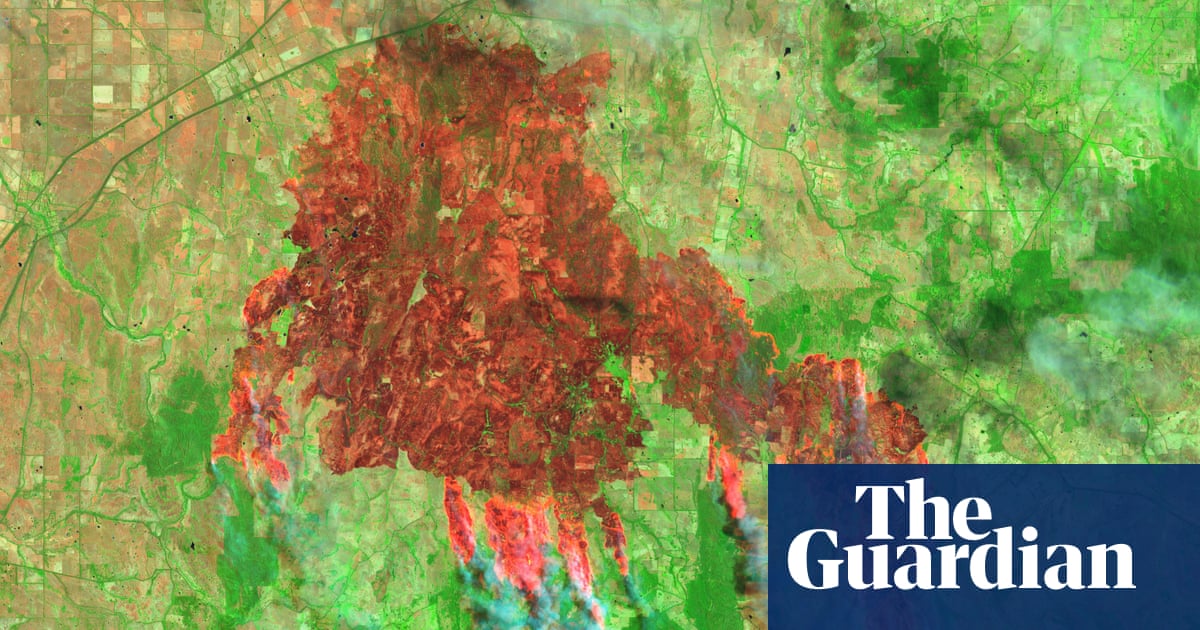
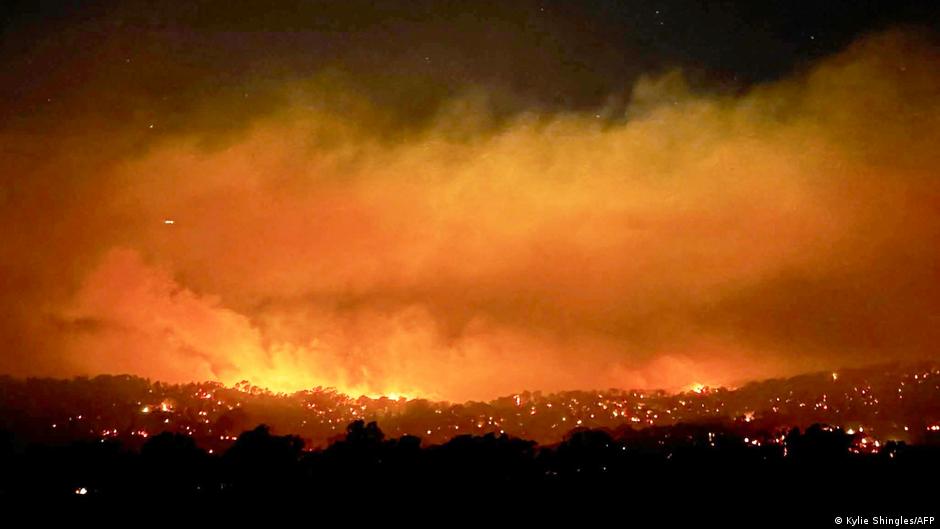
In the year after fire swept through Altadena, man and nature have camouflaged the destruction, to some extent. The burned husks of thousands of homes have been flattened. Weeks of record rainfall have left empty lots a shimmering green. Parts of Altadena now resemble a rural town, with scattered houses separated by vast swaths of open space canopied by trees that somehow survived the fire. In Pacific Palisades, too, hills that flames turned brown are now back to green. Everything feels so wet and lush this January that it's hard to imagine that a fire in the same month, a year ago, could have caused so much misery.
The City Council signed off on a $3.5 million, six-year agreement with Ladris Technologies to purchase a system its creators said can distill vast quantities of data to determine which route will most quickly lead evacuees to safety. The purchase comes just in time for the technology to aid in emergency preparations for a series of major sports events expected to bring hundreds of thousands of visitors to San Jose next year.
Government House Leader Steve Clark is proposing to fast track a red tape reduction bill that includes banning speed cameras, a labour bill and an emergency management bill. The government plans to stop any further debate at the second reading stage for the three bills, then entirely bypass the committee stage that usually follows a time to hear from the public on the bill and make any amendments and limit debate time for the final, third reading stage.
Storm Éowyn, which hit Ireland in January of this year, proved to be one of the most destructive storms in the history of the State. Nationwide Status Red warnings were in effect, 768,000 customers were left without power and rural areas in the west, northwest and midlands were hit particularly hard. Wind gusts of more than 130kmh were seen across the country, while peak gusts of 184kmh were recorded at Mace Head in Co Galway.
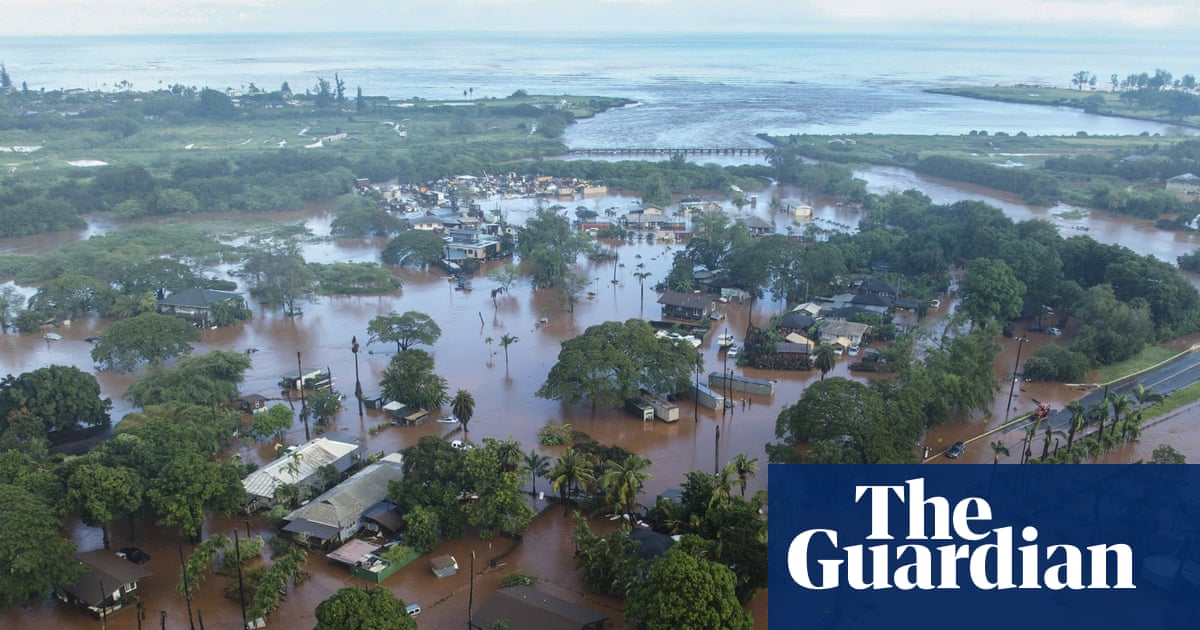
State officials on the front lines of preparing for natural disasters and responding to emergencies say severe cuts to federal security grants, restrictions on money intended for readiness and funding delays tied to litigation are posing a growing risk to their ability to respond to crises. It's all causing confusion, frustration and concern. The federal government shutdown isn't helping. "Every day we remain in this grant purgatory reduces the time available to responsibly and effectively spend these critical funds," said Kiele Amundson, communications director at the Hawaii Emergency Management Agency.
These sightings were very close to beachgoers. But thanks to drone tech, lifeguards, and the dedicated professionals at @nycemergencymgt, we're keeping everyone safe as they enjoy the holiday.
In a World War III scenario with nuclear weapons, COOP would ensure the president, military leaders, and other officials operate from safe locations, preventing a leadership collapse that could lead to disorder throughout the society.
"Our entire island chain is surrounded by water. We have more water than we do land mass. Being uniquely situated between the two large bodies of water makes us very vulnerable."