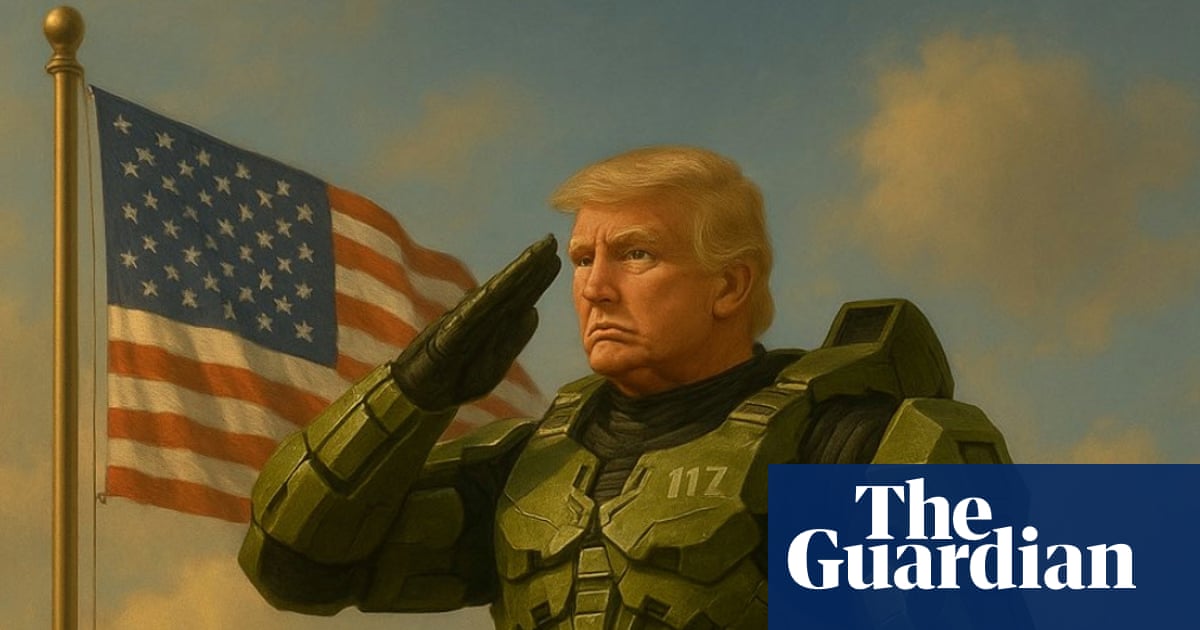
"A couple of decades ago, video games were mostly either ignored or vilified by governments and mainstream culture, leading to an underdog mentality that has persisted even as games have become a nearly $200bn industry. As their popularity has grown, so have their political and cultural relevance. And the ways in which games intersect with real life are now coloured by the economic and political realities of our times."
"Despite year-long discussions over the finer points of what counts as indie and how many people really contribute to games made by tiny teams a lot of them use contractors, who deserve to be acknowledged the point remains that it is very possible to make brilliant and creative games to extremely high standards without a $100m budget, and that is something to be celebrated."
Video games have meaningfully enhanced many people's lives and now carry greater political and cultural relevance as the industry approaches a $200bn scale. Two decades of widespread vilification created an enduring underdog mentality despite mainstream acceptance. Recent years have seen comparatively small-scale games outperform expensive blockbusters, exemplified by multi-award-winning Clair Obscur: Expedition 33 and Hollow Knight: Silksong's seven million sales. Ongoing debates over the definition of 'indie' and contractor contributions persist, but high-quality, creative games can be made without $100m budgets. The release of the Nintendo Switch 2 revived enthusiasm, despite tariff-related launch challenges.
Read at www.theguardian.com
Unable to calculate read time
Collection
[
|
...
]