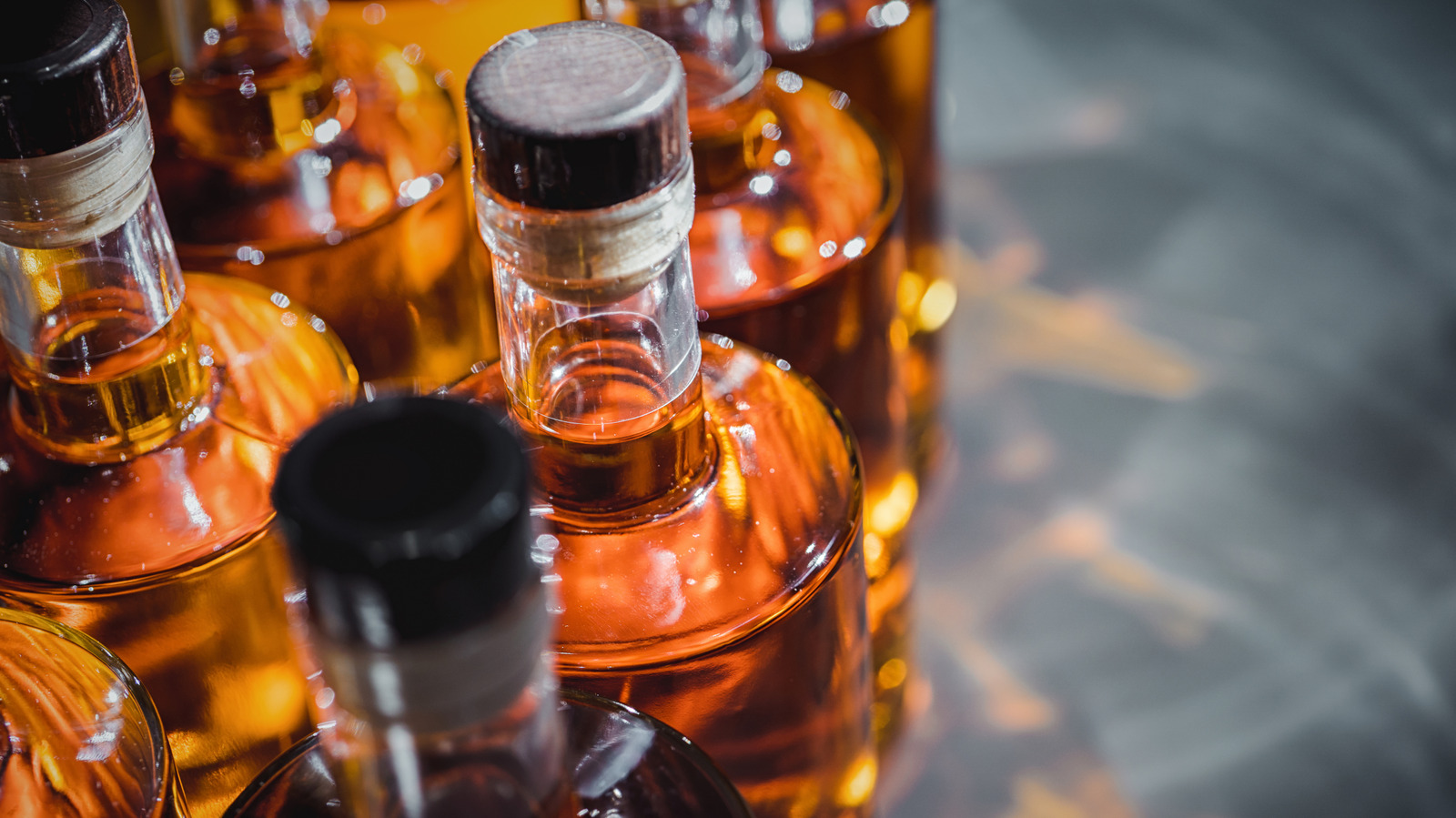
Vermouth is a fortified wine made from wine blended with spirits and botanicals, typically at about 15% to 20% alcohol by volume. Its shelf life is shorter than spirits because oxygen, light, and warm or fluctuating temperatures react with chemical compounds and change flavors and aromas. Oxygen exposure causes oxidation, which can make vermouth taste unpleasant within a few weeks. Over longer periods, degraded vermouth can spoil due to unsafe microbes and bacteria. The most crucial storage step is refrigeration, which keeps vermouth cool, dark, and stable, maintaining good condition for about six to eight weeks. Extending peak condition can involve replacing oxygen in the bottle with inert gas to slow oxidation as the bottle’s headspace fills.
"Vermouth is a little stronger than regular wine, but not as strong as most spirits, at around 15% to 20% alcohol by volume. That's why it doesn't have the same shelf life as your whiskey or gin. The major enemies of vermouth's freshness are too much light, warm or fluctuating temperatures, and oxygen. All these react with the chemical compounds in the vermouth and cause reactions that alter their flavors and aromas."
"Exposure to oxygen leads to oxidation, which can cause unpleasant tasting vermouth within a few weeks. And over longer periods of time, bad vermouth can actually spoil with unsafe microbes and bacteria. The simplest, most crucial storage solution is to always refrigerate vermouth. This keeps it cool, dark, and stable."
"Refrigerated, vermouth remains in great condition for about six to eight weeks. Nevertheless, some connoisseurs go further with more advanced methods, begging the question: What's the most effective way to make vermouth last? How other methods stack up against refrigeration"
"Always refrigerate vermouth, but if you want to try extending its peak condition a bit longer, some replace oxygen in the bottle with inert gas. Oxygen quickens degradation, and as you use up your bottle, the space begins to fill with oxygen. Replacing that oxygen with inert gas can prevent oxidation. Use Bloxygen Preserver, a food-saf"
Read at Tasting Table
Unable to calculate read time
Collection
[
|
...
]