Recipes rarely call for a whole container of tomato paste, but once opened, you're left with an entire can of the stuff - minus a tablespoon or two. Without a resealable top, it's hard to simply close it and place the paste back in the fridge. Thankfully, there are easier ways to store leftover tomato paste and get your money's worth.
That jar isn't budging. Your palms are burning, knuckles white from gripping, and somehow this innocent container of olives has become your nemesis for the afternoon. Before you choose to abandon your snack plans entirely and settle for something that doesn't require this level of combat, check if you've got a roll of duct tape anywhere around the house - it could be exactly what you need to deal with that stubborn jar.
After carefully choosing the freshest produce at the market, people face even more choices with vegetables, fruit, meat and dairy products at home that can help prolong freshness, minimize waste and prevent foodborne illnesses. There are several methods to store and preserve food, such as canning and pickling produce, freezing leftover ingredients and storing food in the refrigerator. Although refrigeration is effective and most households have the appliance, experts say it is safe to say most families simply set it and forget it.
According to the Egg Safety Center, when kept cold at about 45 degrees Fahrenheit or below ( which most refrigerators are), fresh eggs stay safe for up to five weeks past the carton's "Julian date," which is the date it was packed. The "expiration" label marks peak quality rather than safety. Inside the shell, a natural protective layer and steady refrigeration keep bacteria at bay far longer than most people realize.
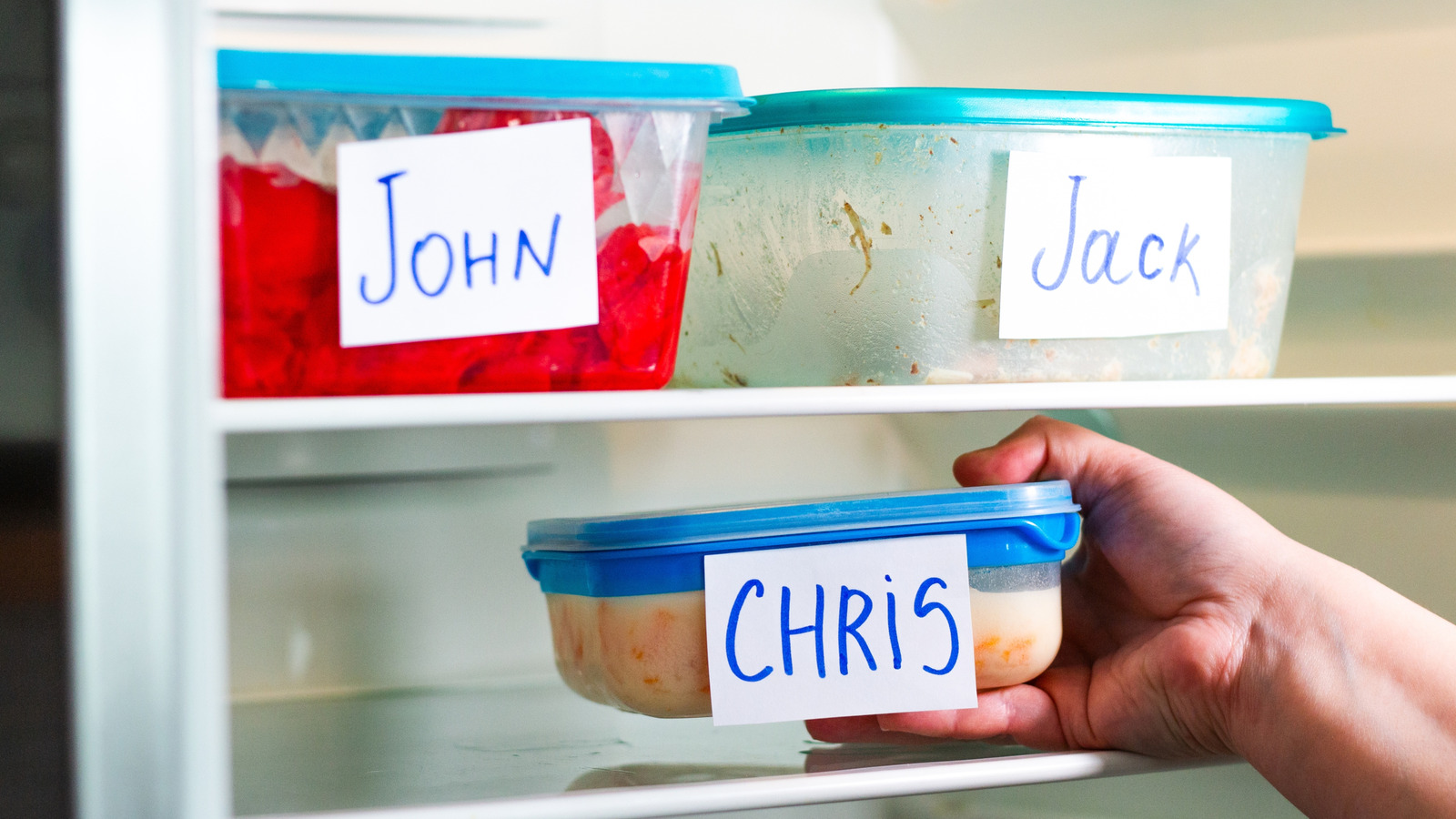
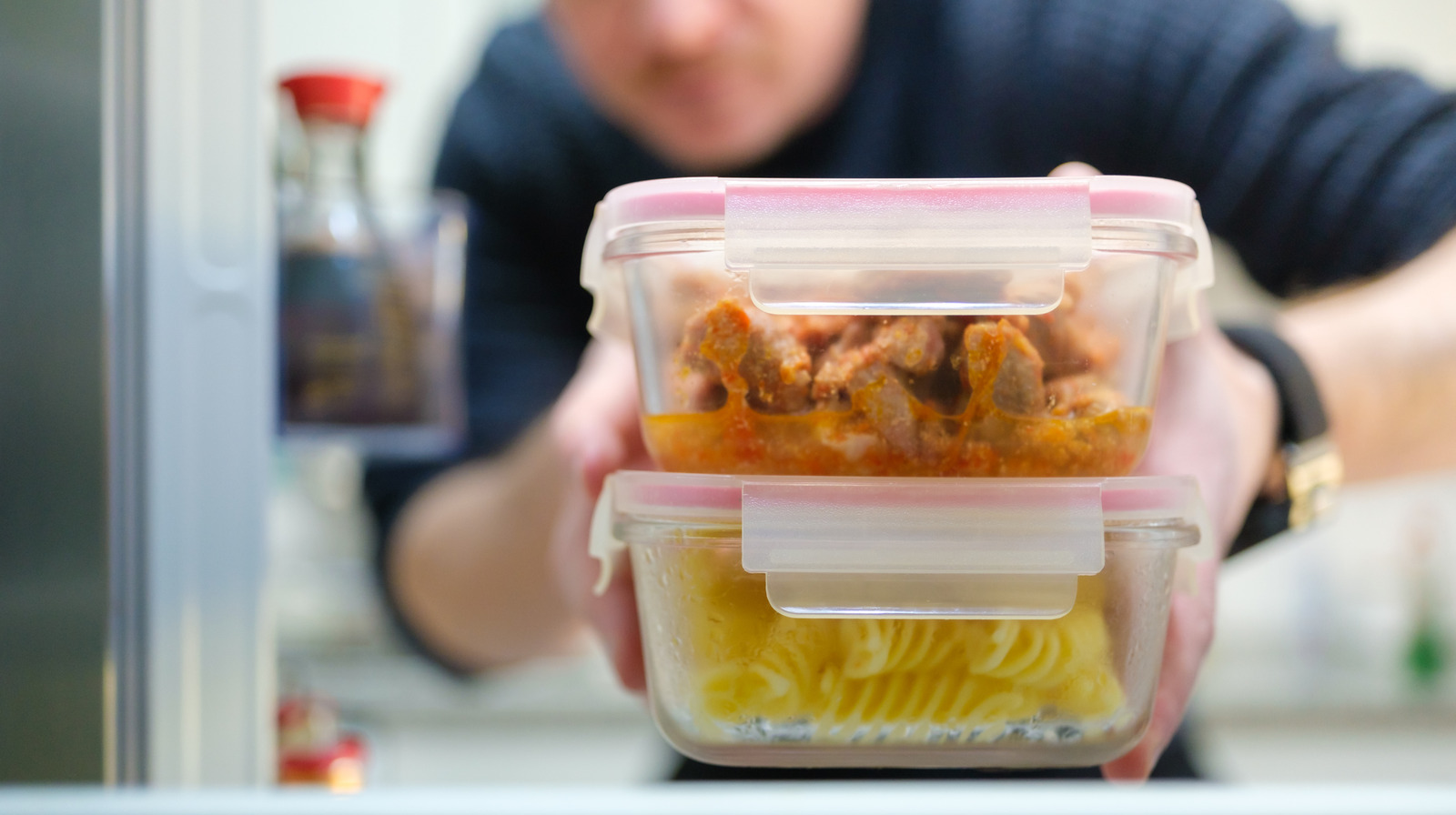
Whether they are margarine containers, ice cream tubs, or even takeout containers, anything with a lid can do the job. In the fridge they can hold leftovers and in the pantry you might find anything from dried rice and cereal to cookies, lentils, or even piping bag tips. Plenty of kids grew up peeling the lids off with no idea what was inside until they checked. If it could fit in the container, it was fair game.
There are a ton of clever aluminum foil hacks to use around the kitchen, and a quick twist of the material gives you a similar shape to your lost funnel. Use your finger to get the roll started. Once the smaller end of the rolled piece of aluminum is set into the opening of the smaller vessel, it should be easy to hold in place as the larger, open end points skyward.
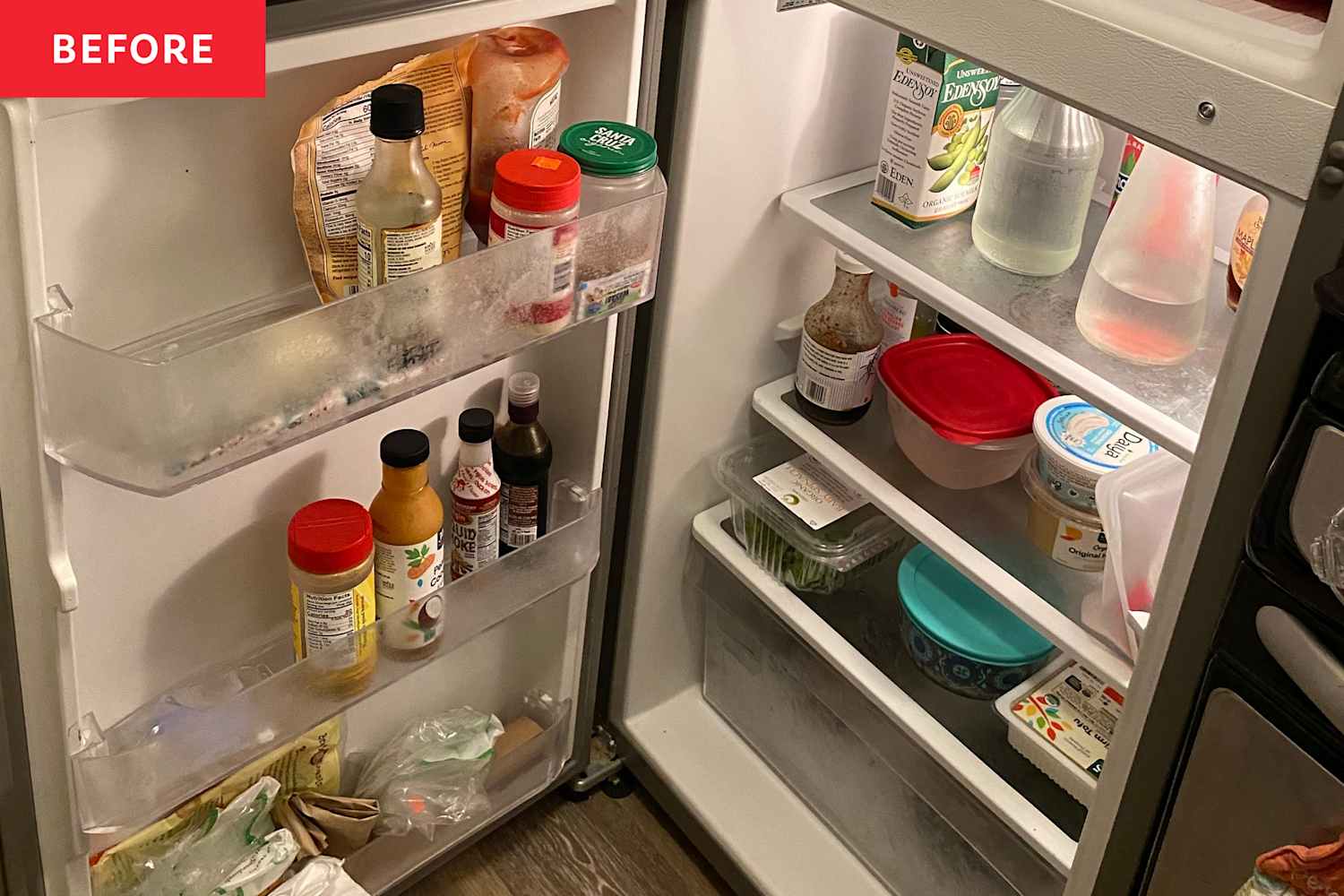
Temperature is a key factor in ensuring that salad dressing is safe to eat, so check that the settings on your fridge keep it below 40 degrees Fahrenheit. Placement is also important. The door of the refrigerator might seem like the most convenient spot to store the bottles, but as you open and close it, the temperature will fluctuate too much.
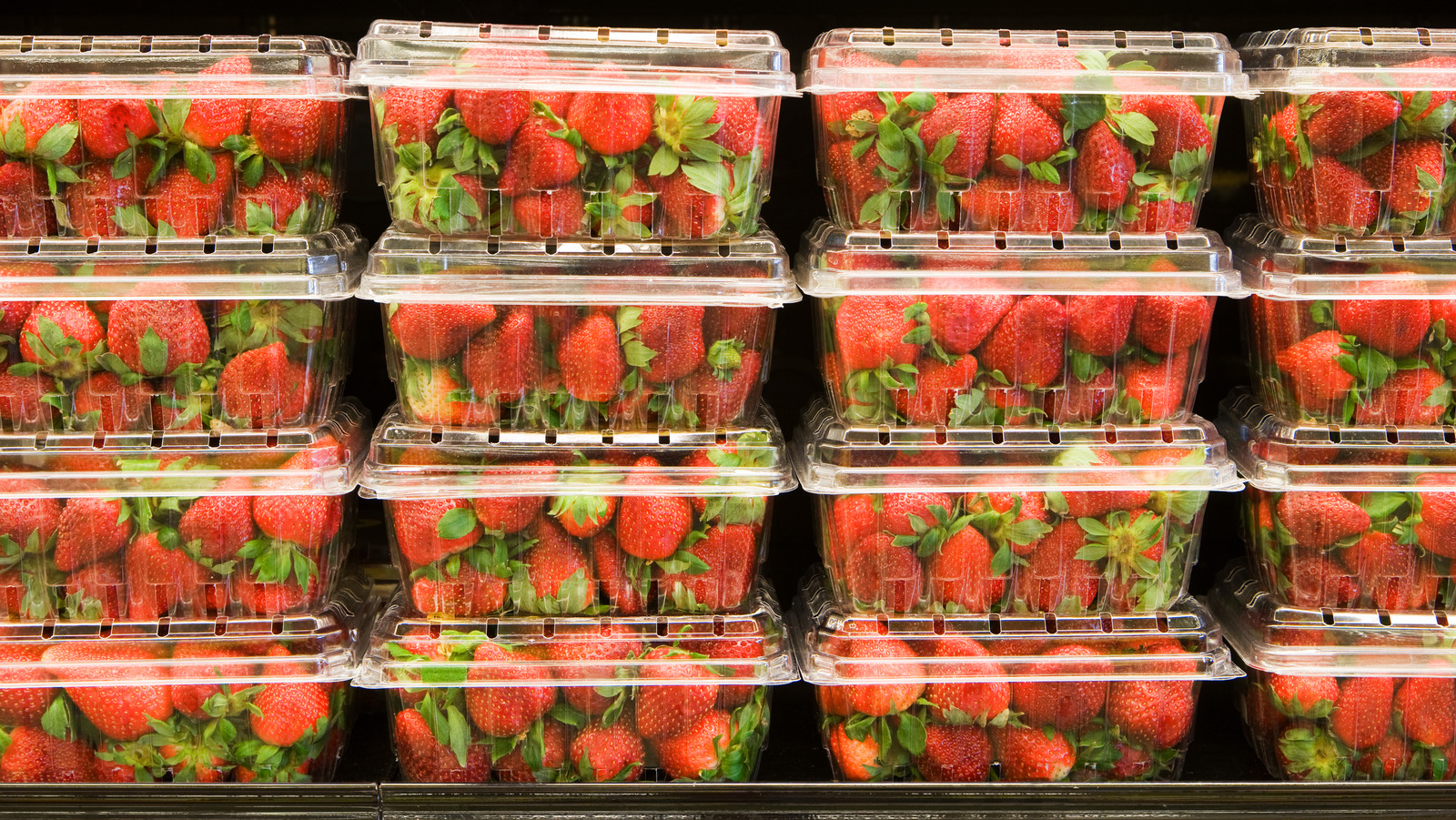
Flourless chocolate cakes have an intense flavour, yet provide a blank canvas for all sorts of additions and/or substitutions. With our hedgerows producing untold thousands of tonnes of wild blackberries annually, there's rarely been a better time to embrace seasonal adaptations of this kind. To keep berries for longer, store them in a sealed container in the fridge with a sheet of kitchen towel in there to soak up any excess moisture.
Pistachios are having quite the moment. As the star of the now-famous "Dubai chocolate bar," these shelled glories have really gone viral, so much so that there was even a shortage at one point. If you're someone who hoarded up during the frenzy, you might want to keep an eye on your stash. Contrary to what you might think, pistachios do go bad - and it doesn't take that long for them to deteriorate.
Sriracha is made from a mixture of chili peppers (typically red jalapeño), acidic distilled vinegar, umami garlic, sugar, and salt. Like most chili-pepper-based hot sauces, sriracha is hardy and durable, but not immune to quality degradation over time due to prolonged light and air exposure. Still, dark red tones (even to the point of bordering on dark red-brown) aren't necessarily signs that your sriracha has turned.
Stored in an airtight container in the fridge, homemade yum yum sauce will last for one week. It tastes even better with each passing day, as the flavors have been allowed to meld and chill. But, for foodies playing the long game, start checking on your batch after the seven day mark (that is, if there are any leftovers remaining by then). If your sauce smells at all "off" or has begun to separate, toss it out.
Let's face it: Keeping the kitchen organized is one of the greatest challenges we face in our busy everyday lives, and the pantry is a particularly touchy subject. Keeping a well-stocked pantry is a joy, until it gets full of half-empty bags of beans, messy flour sacks, and who-knows-what-that-is, forgotten out of sight at the very back. If only we could have a perfectly organized pantry with matching containers designed specifically for each purpose!
For fresh tuna fans, nothing beats a well-prepared tuna steak. With a perfectly seared salt-and-pepper crust and a pink, juicy inside, they don't call them steaks for nothing. But cooking tuna at home can feel intimidating for the uninitiated. Perhaps the most important tip you need when cooking with tuna is knowing how to determine if it's fresh. The best method - give it a sniff.
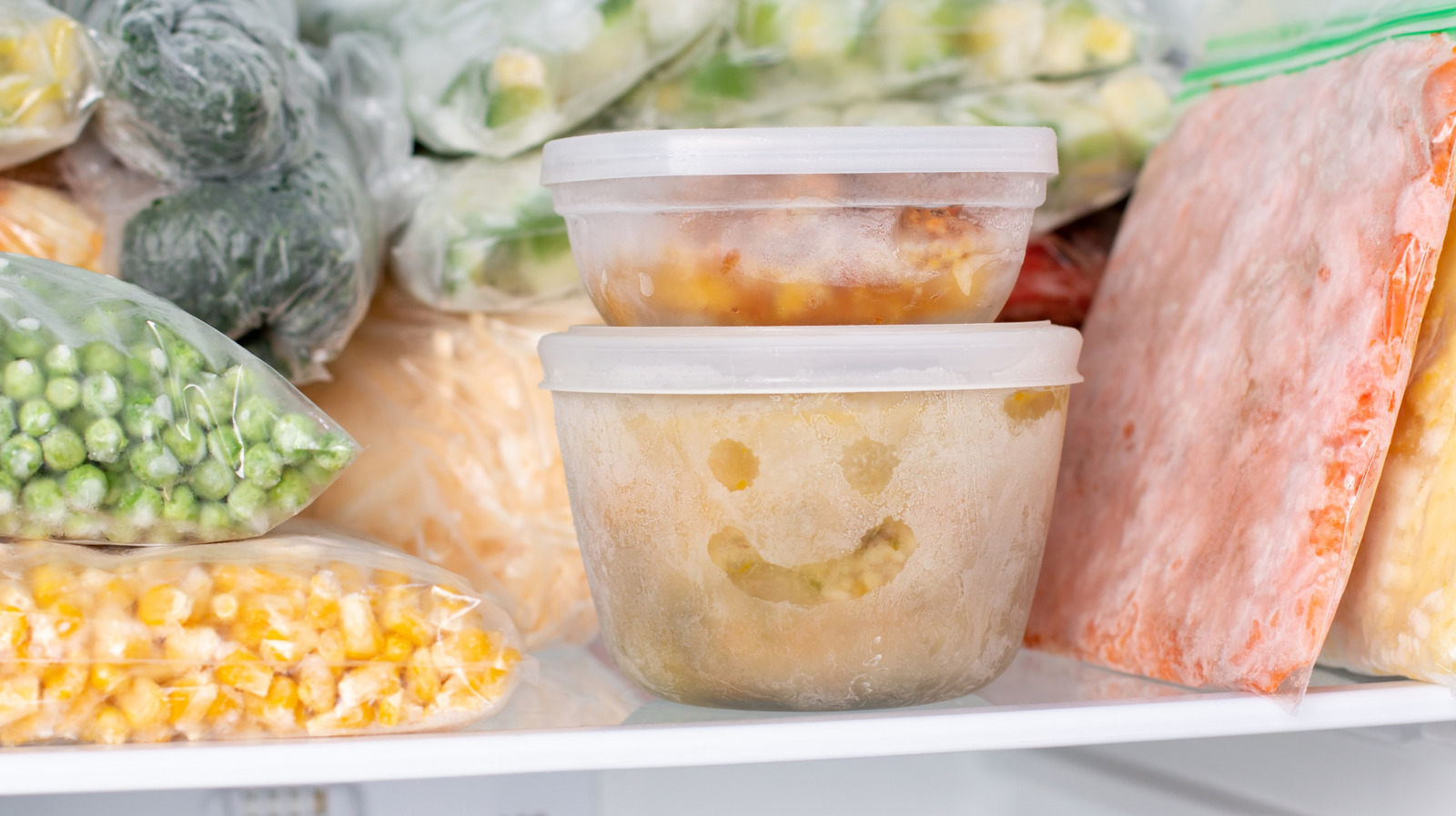
Ladle the compote into ice cube trays and freeze them - then transfer the cubes to an airtight freezer-safe container or resealable freezer bags. It's important to remove as much air as possible - a handheld vacuum sealer works wonders here. If you're filling bags with liquid instead of making cubes, leave a half an inch of space at the top since liquid expands as it freezes. Stack the bags to save space, and to break off pieces easily.
School lunch prep shouldn't feel like solving a daily puzzle where everything goes wrong. The difference between lunch success and cafeteria disaster often comes down to having the right gear.
These tidy packs do more than speed up the defrosting process. They also minimize the chance of freezer burn by limiting oxygen exposure on the meat's surface, plus they're incredibly compact for even the fullest of freezers.
Zucchini is best kept fresh for later by freezing it, but it should be cut into smaller pieces and blanched before freezing. Blanching helps maintain taste and appearance, preventing bacterial growth.
The YouCopia StoraLid Food Container Lid Organizer is a game-changer for small kitchens, providing an ingenious solution for cluttered food storage lid chaos.