"Global businesses are entering an era of destabilization, defined by trade friction, shifting geopolitical alliances, and mounting pressure to redesign supply chains. The old assumptions of seamless globalization are giving way to a fragmented reality where tariffs, sanctions, and export controls can upend operations overnight. Geopolitical uncertainty - from regional conflicts to strategic derisking between major economies - forces companies to rethink sourcing, manufacturing, and market access."
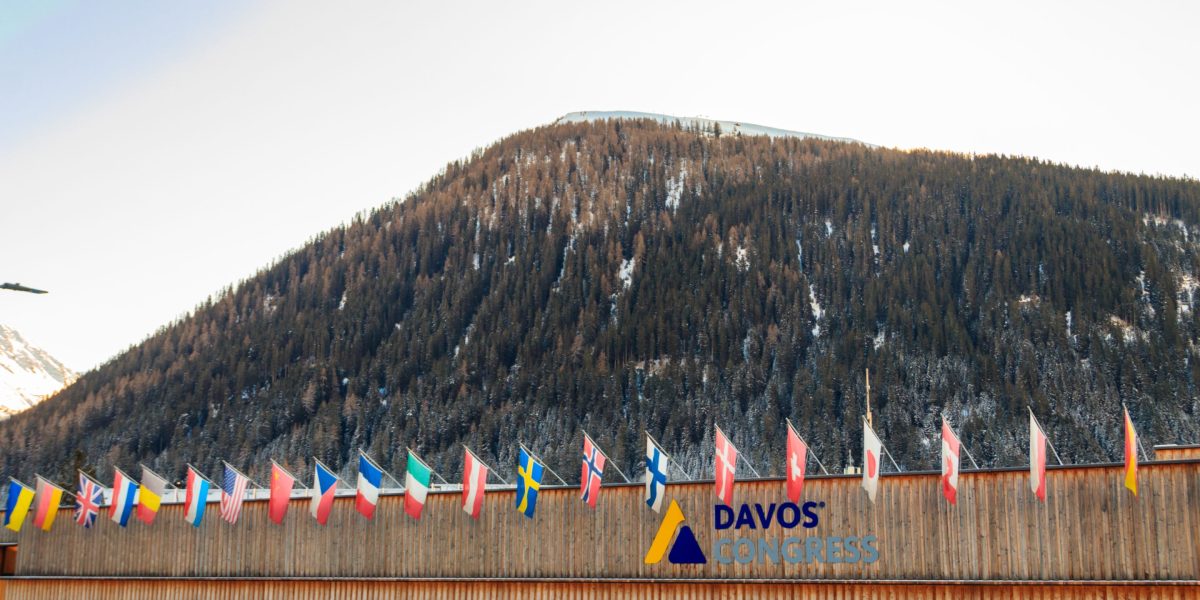
"As world leaders convene in Davos, CEOs face the realities of this geo-economic fragmentation - where resilience, not efficiency, will define competitiveness. The WEF's theme "A Spirit of Dialogue" is organized around five imperatives: cooperating in a contested world; unlocking growth; investing in people; deploying innovation responsibly; and building prosperity within planetary boundaries. That framing mirrors what executives already feel in their P&L and risk registers: trade, regulation, technology, and climate have fused into a single operating system for corporate strategy."
Global businesses face an era of destabilization driven by trade friction, shifting geopolitical alliances, and pressure to redesign supply chains. Seamless globalization is giving way to fragmented trade where tariffs, sanctions, and export controls can upend operations overnight. Geopolitical uncertainty, from regional conflicts to strategic derisking between major economies, forces companies to rethink sourcing, manufacturing, and market access. Supply chains optimized for efficiency require safeguards against political risk, regulatory volatility, and sudden disruptions. Resilience, not efficiency, will determine competitiveness. Risk management must rise to board-level strategic priority. Trade, regulation, technology, and climate now function as a unified operating system for corporate strategy.
Read at Fortune
Unable to calculate read time
Collection
[
|
...
]