#geopolitics
#geopolitics
[ follow ]
#us-china-relations #strait-of-hormuz #taiwan #iran #energy-security #bitcoin #inflation #diplomacy #market-trends
Business
fromLondon Business News | Londonlovesbusiness.com
2 days agoSilver and the balance of global risks - London Business News | Londonlovesbusiness.com
Silver remains supported by geopolitical and monetary drivers, with cautious optimism as political progress may slow gains but is unlikely to reverse the trend.
fromInfoWorld
6 days agoThe sovereign cloud illusion
The phrase “sovereign cloud” has become one of the most overused and least scrutinized terms in enterprise technology. It sounds reassuring, especially to governments, regulated industries, and any enterprise concerned about geopolitical instability. The promise is simple enough: keep data local, maintain operational control, and reduce dependence on foreign systems. The problem is that the reality of cloud architecture does not align with the marketing.
European startups
#bitcoin

Cryptocurrency
fromLondon Business News | Londonlovesbusiness.com
1 week agoBitcoin relatively stable amid geopolitical optimism - London Business News | Londonlovesbusiness.com
Bitcoin stability depends on geopolitical headlines and monetary policy expectations, with risk sentiment supported by negotiation progress but constrained by cautious US policy and weak ETF flows.
Europe news
fromLondon Business News | Londonlovesbusiness.com
1 week agoFTSE falls as growth fears hammer miners while oil surge hits airlines - London Business News | Londonlovesbusiness.com
Rising oil prices and global growth fears pressured FTSE 100 miners and airlines, while defence technology shares gained on improving turnaround confidence.
#us-china-relations

World politics
fromFortune
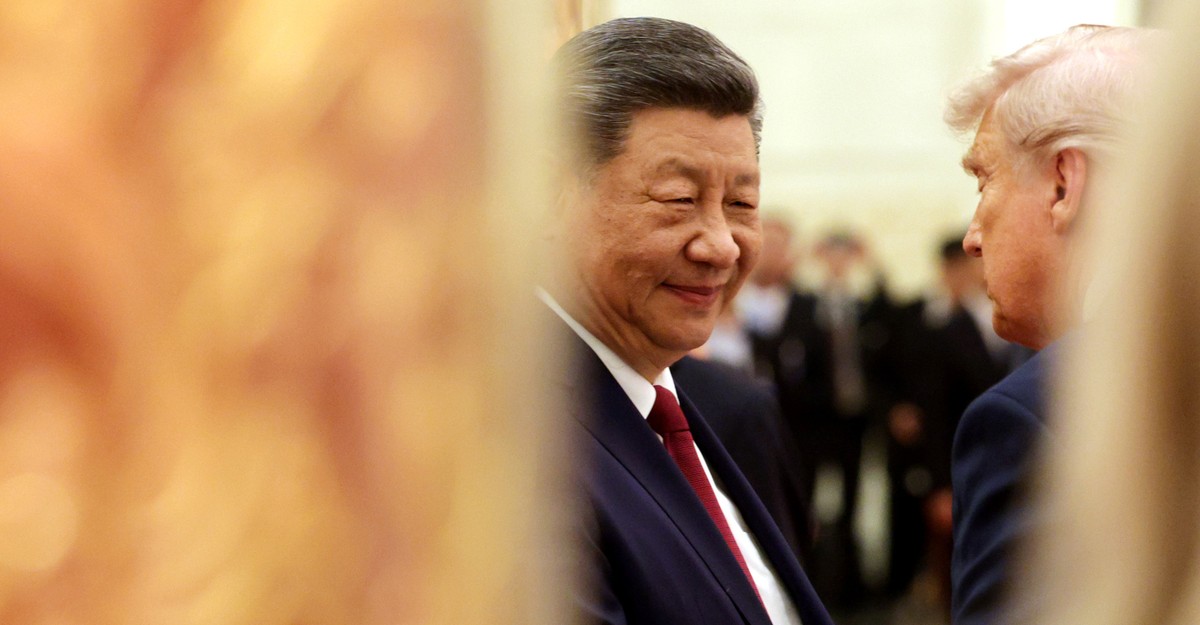
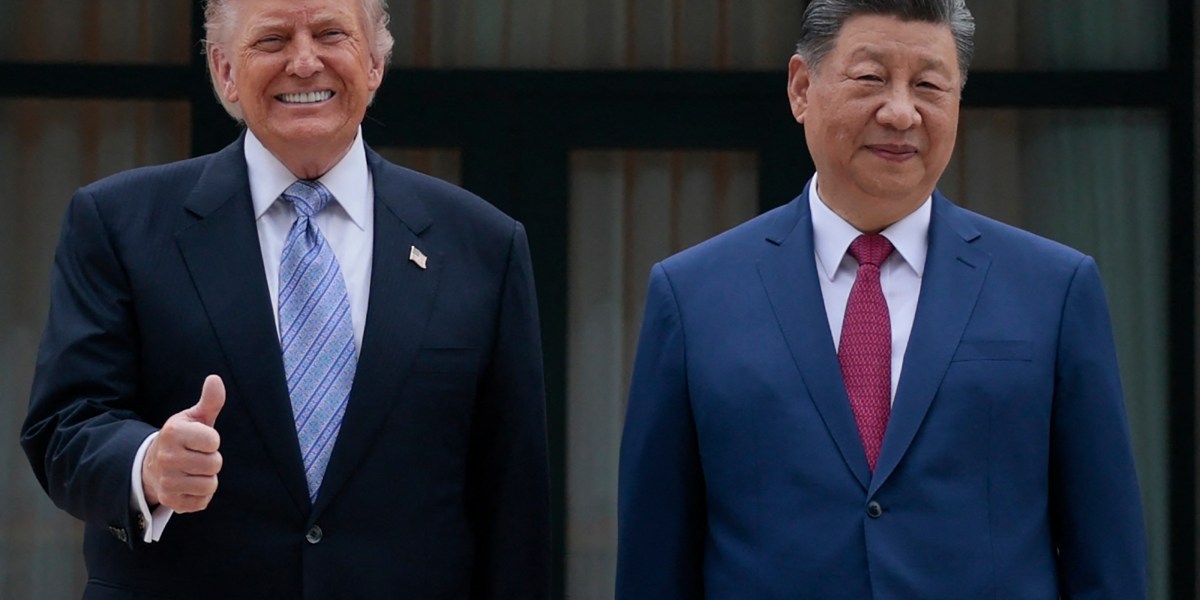
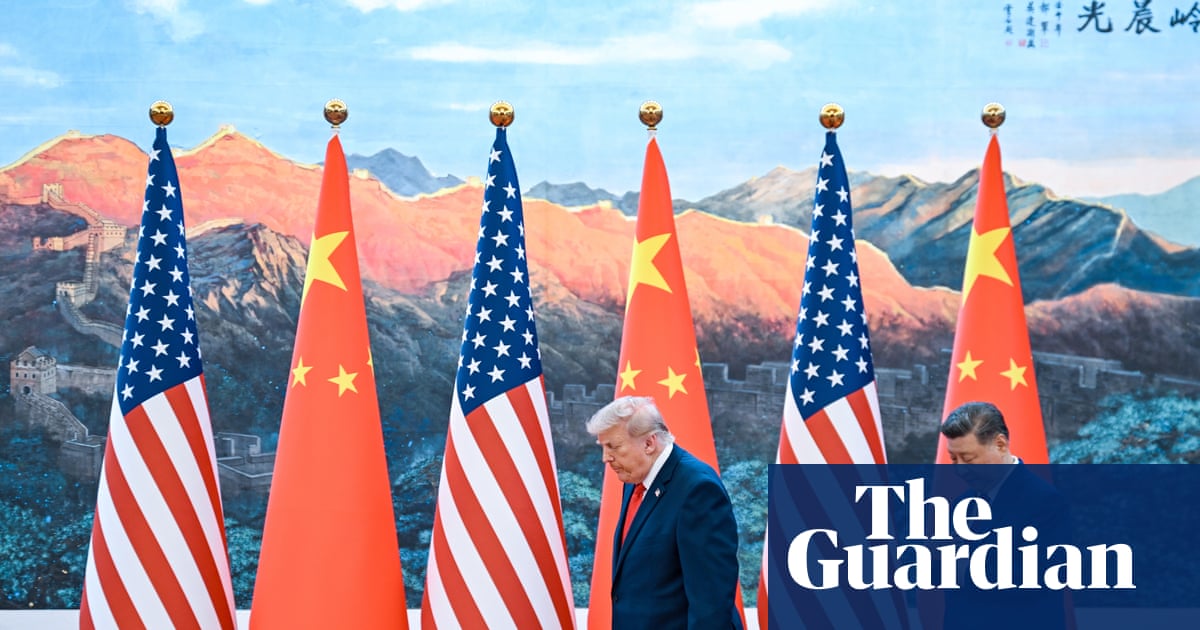
1 week agoChina will remain an 'incomplete superpower' until it can catch up with U.S. financial might, market veteran says | Fortune
China’s yuan holds a small share of global reserves and invoices, enabling U.S. financial dominance despite broader concerns about American decline.
World news
fromwww.theguardian.com
1 week agoGreenland decries US doctor's visit with Trump envoy as deeply problematic'
A US volunteer doctor’s visit to Nuuk was condemned as politically motivated, with Greenland insisting healthcare development must follow respectful cooperation and self-determination.
World politics
fromFortune
1 week agoSupply shocks weren't random. They were strategic-and should be seen as 'supply coercion' instead, former Fed official says | Fortune
Inflation spikes can stem from deliberate supply coercion through chokepoints, not absorbable supply shocks, requiring different policy thinking.
World politics
fromwww.theguardian.com
1 week agoThe American epoch of oil is collapsing. What comes next could be ugly
Global power is shifting from fossil-fuel dominance to renewable and electrified systems, with US energy dominance policies failing amid rising turbulence and China’s renewable investment strengthening resilience.
Business
from24/7 Wall St.
1 week agoHere Are Friday's Top Wall Street Analyst Research Calls: Arista Networks, BWX Technologies, Cisco Systems, Danaher, Doximity, Estee Lauder, Illumina, Texas Roadhouse, Workday, and More
Major U.S. stock indexes rose to new highs despite mixed Treasury yields and ongoing geopolitical energy risks.
fromwww.theguardian.com
1 week agoFormer China critic Matthew Wale elected Solomon Islands prime minister
Solomon Islands parliament on Friday elected opposition leader Matthew Wale as prime minister, after incumbent Jeremiah Manele was ousted from power last week in a no-confidence vote. Wale defeated Peter Shanel Agovaka by 26 votes to 22 in a ballot of the country's members of parliament, governor general David Tiva Kapu, told a news conference.
World news
Venture
fromFortune
2 weeks agoExclusive: 'We're spending millions to stop threats that cost thousands': Startup Furientis wants to build missiles like IKEA furniture | Fortune
Furientis aims to scale missile defense by producing ship-based interceptor missiles using automotive-style materials, assembly, and commercial components.

fromVulture
2 weeks agoSouthland Tales Predicted the War With Iran
I remember I was putting together, like, how can I succinctly illustrate the beginnings of a World War Three type situation? And in all the research I was doing, it was like, That's the one big thing, the Strait of Hormuz. If there was a blockade, it's this very sensitive area, this sort of Achilles heel, in the sense of global security and access to oil, and how everything could sort of explode.
Film
Business
fromFortune
2 weeks agoState Street's CEO warns of a global fertilizer crisis due to the Iran war: 'I personally worry about what happens if this goes on much longer' | Fortune
Geopolitical conflict and AI-driven change are reshaping capital flows and asset markets, with digitalization beyond crypto becoming increasingly important.
fromwww.dw.com
3 weeks agoVilseck, Germany: A town on edge over US troop withdrawal
People's initial reaction was fear. After all, we've been living in close friendship with our American neighbors here for 80 years. They feel at home here, far from their homeland. The Americans are integrated into our social life, in soccer and music clubs. Many even stay here after they retire.
Germany news
fromEntrepreneur
3 weeks agoApple In Talks With Intel and Samsung to Build Chips in the US -Here's Why
Apple has depended on Taiwan-based TSMC to build the chips that power iPhones and Macs for over 10 years. CEO Tim Cook stated that chip shortages are constraining growth for products like the Mac mini and iPhone 17 Pro, indicating a need for more flexibility in the supply chain.
Apple
fromwww.theguardian.com
3 weeks agoNorwegian government rebuked over decision to reopen North Sea gasfields
The Norwegian government plans to spend 19bn kroner on restarting the Albuskjell, Vest Ekofisk, and Tommeliten Gamma gas fields by the end of 2028, with production continuing until 2048.
World news
from24/7 Wall St.
3 weeks agoGold and Silver Catch Fire as Iran Deal Hopes Rewrite the Inflation Playbook
The session's biggest spark came from reports suggesting the U.S. is close to a one-page memorandum with Iran to end the war. Gold futures responded with an upward move and silver futures with a 6% jump.
Business
fromwww.dw.com
3 weeks agoJapan pivots Indo-Pacific strategy toward Southeast Asia
Takaichi met her Vietnamese counterpart, Le Minh Hung, on Saturday in Hanoi, where the two leaders oversaw the signing of six cooperation agreements, including on disaster-resilient rural development, climate-resilient infrastructure and satellite data exchange.
World politics

Toronto startup
fromFortune
3 weeks agoEnbridge aims to help North America win from the AI boom and the Iran war as the FedEx of energy delivery | Fortune
Enbridge is the largest oil and gas pipeline company, expanding its role in energy delivery and positioning for growth amid global supply challenges.
World politics
fromFortune
3 weeks agoThe Iran war has turned the world's shipping straits into a chessboard-and the U.S. aims to box out China from the Panama Canal to the Malacca Strait | Fortune
The U.S. and Iran's stalemate in the Strait of Hormuz is part of a broader geopolitical struggle against China.
World news
fromFortune
4 weeks agoA $500 million superyacht linked with Russia's richest man was just able to pass through the blockaded Strait of Hormuz | Fortune
The Nord, a luxury superyacht linked to Russian billionaire Alexei Mordashov, successfully navigated the closed Strait of Hormuz amid ongoing conflict.
[ Load more ]