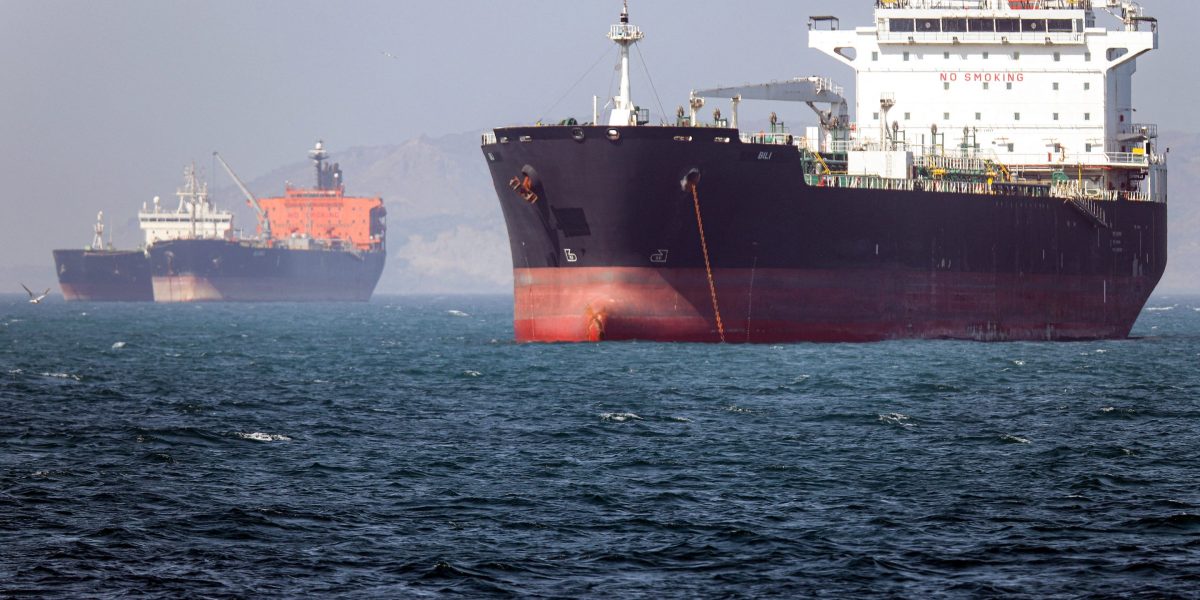
Brent crude fell as much as 5.2% to $98.12 a barrel, while West Texas Intermediate traded near $92. The US president said the blockade of the Strait of Hormuz would continue until an agreement is completed and that he would not rush a deal that is not fully negotiated. Final approval could take several days. Key issues remain unresolved, including how the fate of Iran’s nuclear program will be handled and whether US demands to keep assets unfrozen will be addressed. Iran’s Tasnim reported the draft agreement could collapse due to US obstruction of clauses. The crisis began in February after US and Israel attacks on Iran, spreading across the Persian Gulf and forcing producers to shut in millions of barrels daily. A full reopening of Hormuz would ease energy supply concerns for Asia, including China, Japan, and South Korea.
"Global crude benchmark Brent fell as much as 5.2% to $98.12 a barrel, while West Texas Intermediate was near $92. Trump said in social-media posts he wouldn't "rush" into a deal, which "isn't even fully negotiated yet." Any final approval may take several days, according to senior US officials."
"Still, it remains unclear how key differences, including the fate of the Islamic Republic's nuclear program, will be addressed. Iran's Tasnim news agency said the draft agreement could still collapse because the US was obstructing some key clauses, including a demand that its assets be unfrozen."
"Global energy markets have been upended by the crisis, which began in February when the US and Israel attacked Iran. The conflict spread rapidly across the Persian Gulf region, forcing producers to shut in millions of barrels of daily crude supplies. Hormuz - which links the region to global markets - has been subject to a double blockade by both Tehran and Washington."
"A full reopening of the waterway - which in peacetime typically handled around a fifth of the world's oil and liquefied natural gas supplies - would be a relief for energy importers across Asia, including China, Japan, and South Korea. "A lot of oil was trading on worst case assumptions for weeks," said Haris Khurshid, chief investment officer at Chicago-based Karobaar Capital LP."
Read at Fortune
Unable to calculate read time
Collection
[
|
...
]