UK news
fromwww.independent.co.uk
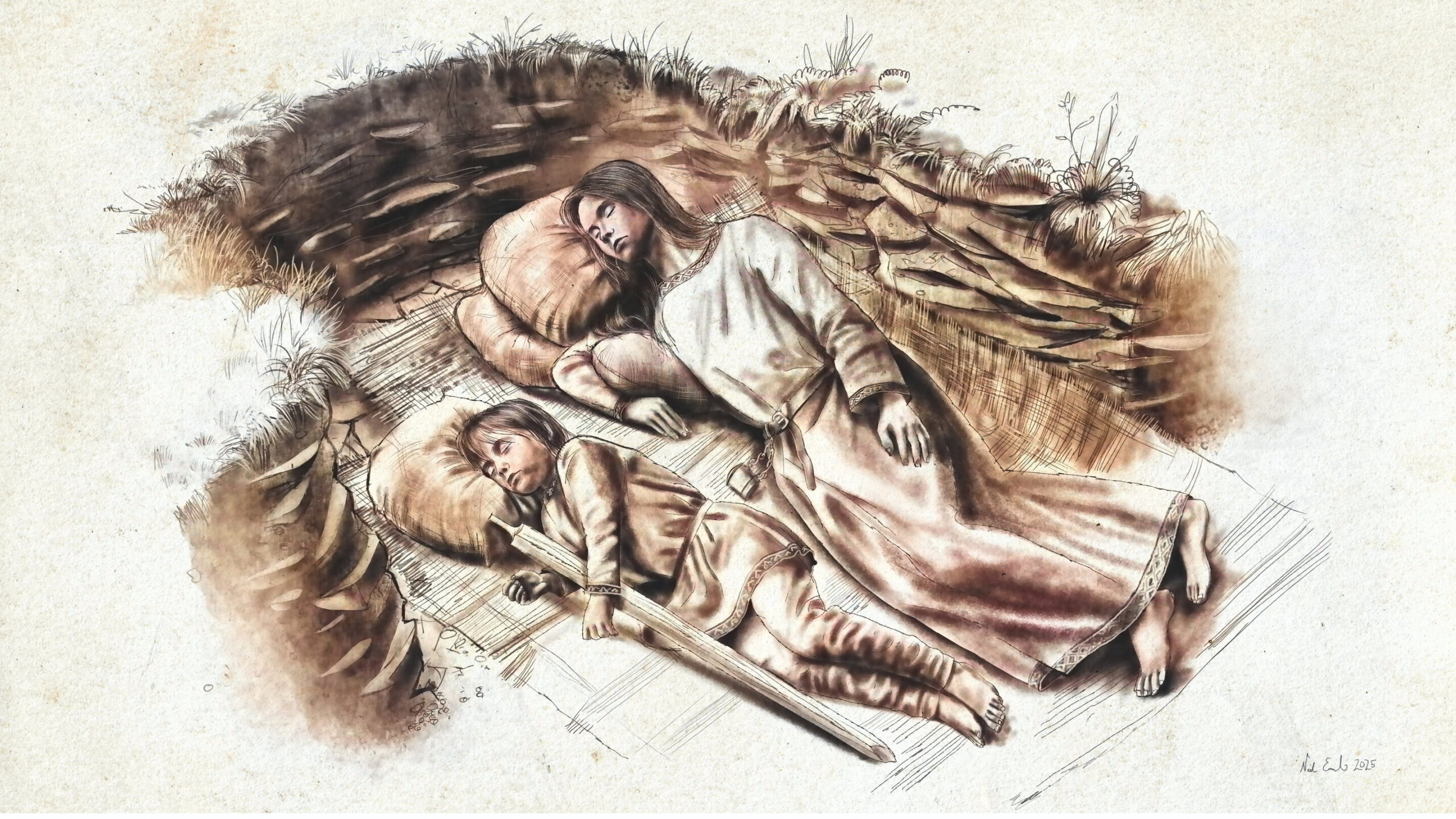
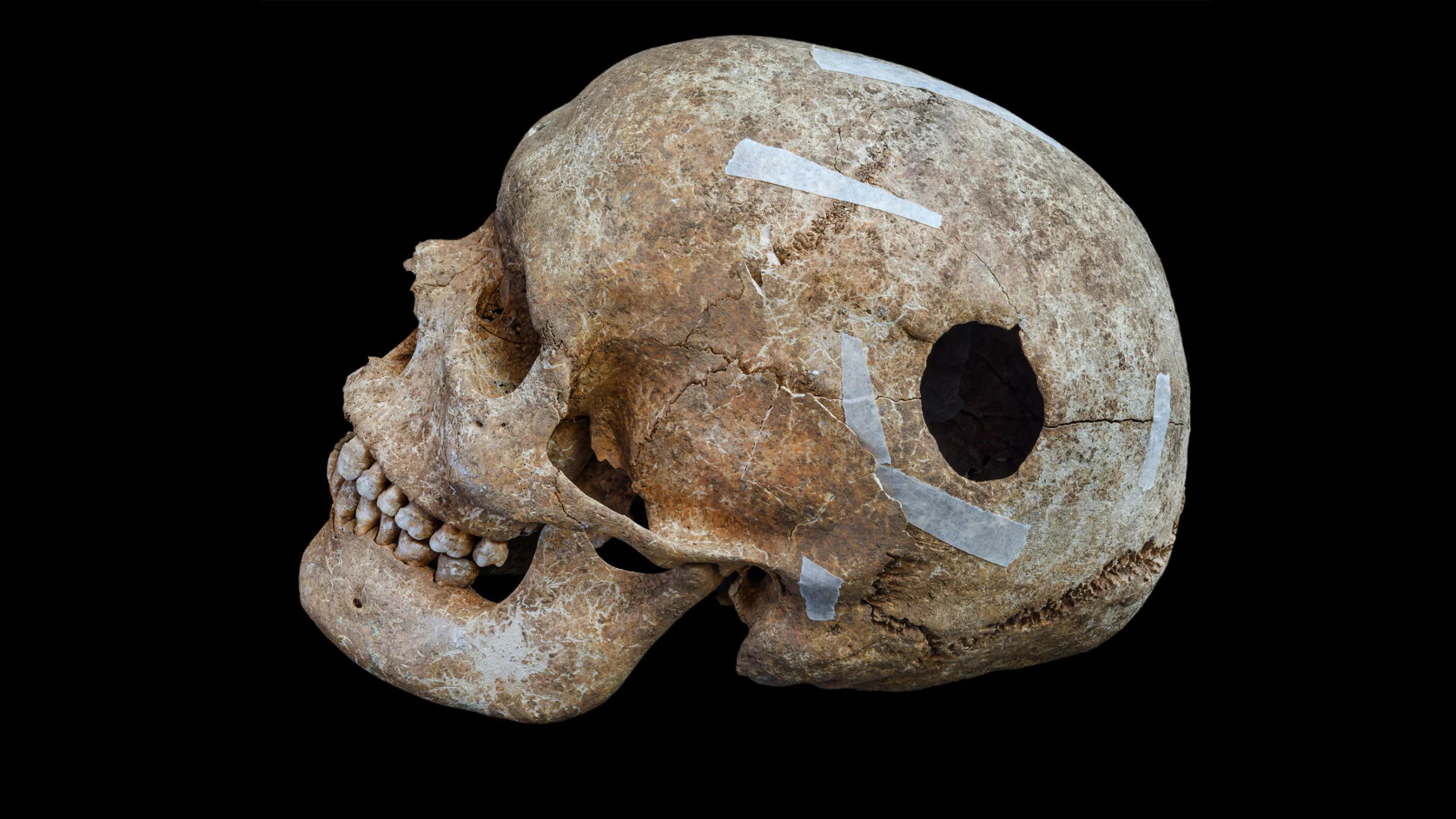
6 hours agoRare instance of Anglo-Saxon joint siblings' burial proved by DNA test
Two siblings were discovered buried together in an Anglo-Saxon grave, highlighting a rare familial bond in ancient burial practices.
Similar to four others unearthed nearby earlier this month, it is sitting upright at the bottom of a one-metre-wide pit. The skeleton's hands are resting in its lap. Like the others, its back is against the eastern wall, its face directed westward.
"The ruins from the Middle Ages are part of our common history. With these grants, we are strengthening the work that makes it possible to preserve them, not only as historical traces, but also as living sources of knowledge for both researchers, craftsmen and local communities."
The Arctic World Archive (AWA) is a data storage unit where organisations and individuals can deposit records kept on specialist digitised film called Piql that lasts up to 2,000 years. On 27 February, Nigeria became the first African country to place archives at the facility 300 metres beneath a mountain where the cold, dark, dry conditions are perfect for preservation.
Excavations carried out in 2025 by the Arctic University Museum of Norway revealed that the artefacts came from a boat burial. The grave contained the skeleton of a woman placed inside a boat measuring about 5.5 metres in length. She had been buried together with a dog, suggesting the animal may have been an important companion in life.
Two exceptionally rare and beautifully carved Mithraic altars found in Inveresk, East Lothian, Scotland, are going on display for the first time. They are not just the only Roman altars ever found in Scotland, but are among the finest examples of Roman sculpture in Roman Britain. They are also uniquely early in date, having been made in 140s A.D. during Antoninus Pius' reoccupation of southern Scotland, whereas most other archaeological materials related to the worship of Mithras in Britannia date to the 3rd century.
Beyond the reach of medieval Christendom, Viking-age Scandinavia drew its ideas about gender less from scripture than from myth, law, and the practical demands of life in a raiding and trading world. Luke Daly explores how women could wield real authority-as estate managers, property holders, ritual figures, and, at times, political actors-within a society that was still hierarchical and often violent. Beyond the cathedrals and the long shadow cast by Rome lay societies whose moral and social assumptions were not governed by the cross.
CHARM is built around a large-scale survey of material connected to three major writing centres-Turku, Naantali, and Viipuri-in the 15th century. By comparing charters and book fragments together, the researchers aim to map how writing practices were adopted, modified, and localised, and what that meant for society and administration in a region that was then part of the Swedish realm.