#ai-voice-cloning
#ai-voice-cloning
[ follow ]
#stan-lee #deepfake-scams #ethics #elevenlabs #phone-scams #voice-acting #celebrity-voice-licensing #ethical-ai
Podcast
fromEngadget
1 week agoSpotify is launching verification badges for podcasts to help listeners avoid AI slop - Engadget
Spotify is adding “Verified by Spotify” badges to podcasts to authenticate creators and remove impersonation, using sustained listener engagement to detect AI-generated content.
fromwww.mediaite.com
3 months agoNPR Host Sues Google Claiming AI Podcast Tool Stole His Voice: Very Weird Experience!'
I was, like, completely freaked out, Greene told The Washington Post on Sunday. It's this eerie moment where you feel like you're listening to yourself. He said colleagues pointed out the likeness in emails and texts. The lawsuit, filed last month in Santa Clara County, California, alleges Google violated his rights by creating a product that mimics his voice without payment or permission.
Artificial intelligence
US politics
fromFortune
4 months agoAn AI-generated version of Trump's voice is used an ad that promises an 'all new Fannie Mae' to tackle housing affordability | Fortune
An AI-cloned voice, created with permission from the Trump administration, narrates a Fannie Mae ad promising an "all new Fannie Mae" and housing reforms.
Right-wing politics
fromwww.theguardian.com
5 months agoExtremists are using AI voice cloning to supercharge propaganda. Experts say it's helping them grow
Extremist groups use AI voice cloning and advanced translation to recreate leaders' voices and produce emotionally persuasive multilingual propaganda that aids recruitment and spread.
fromGameSpot
5 months agoBaldur's Gate 3 Actor Sounds Off On Using AI For Voice Roles: "F**k AI In Performance"
It's dull as hell. I don't believe it; it takes me out of the immersion. People are saying it helps the immersion because it's reactive. It takes me out of the experience because I just hear something that doesn't sound like a human being in jeopardy, or in combat, or excitement, or whatever emotion you're supposed to be aiming for,
Artificial intelligence
fromwww.brooklynpaper.com
6 months agoEXCLUSIVE: Former police brass press lawmakers to crack down on cybercrime Brooklyn Paper
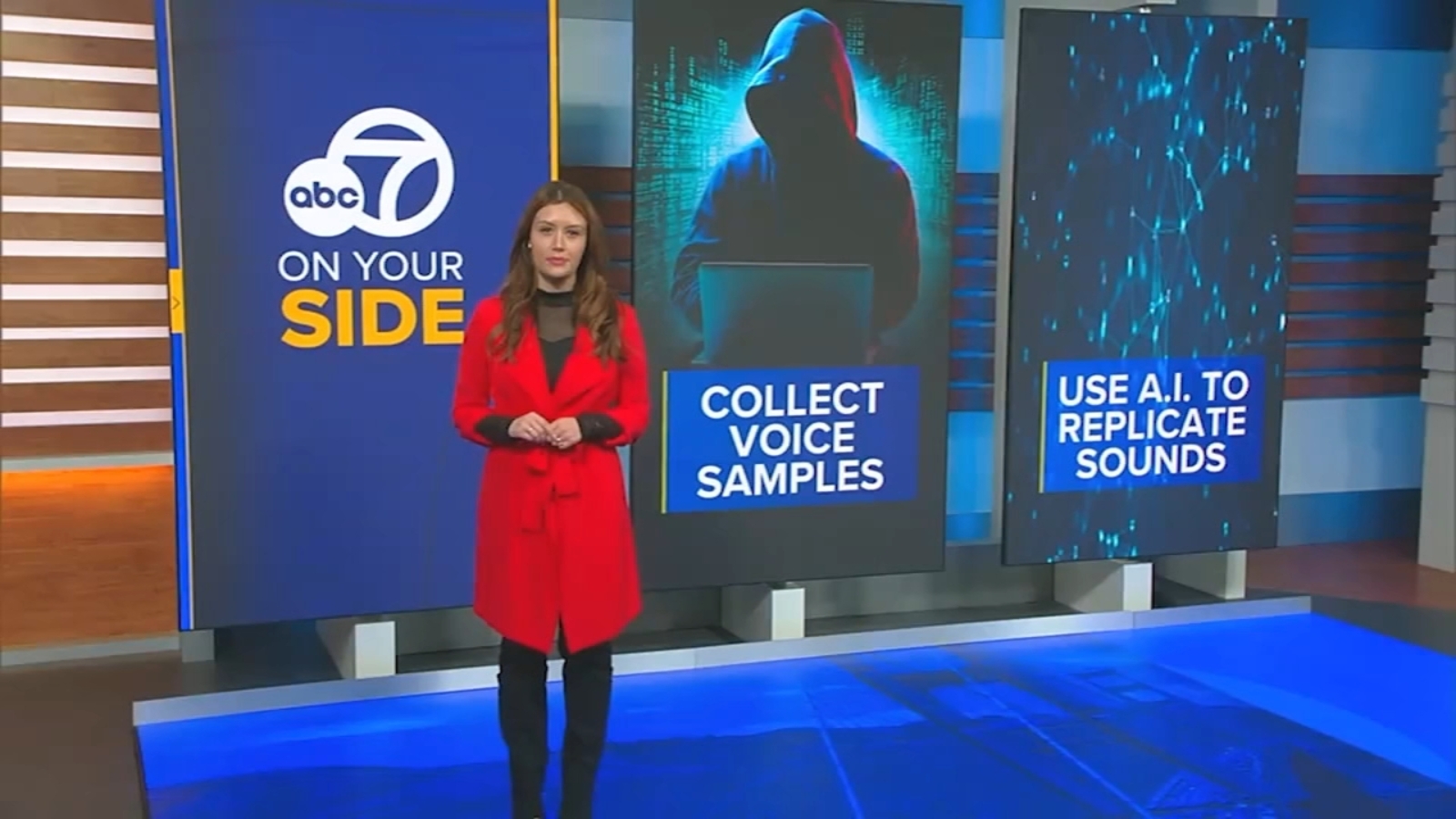
The current and former police officials say they commend the Legislature for what they describe as tremendous progress in fighting this epidemic, but argue that several other priorities need attention, including cracking down on deepfake and artificial intelligence voice scams and passing bill S7382/A8051. Scammers are becoming more sophisticated in the era of AI, using deepfake voice cloning and digital impersonation to mimic the voices and images of people victims know.
US politics


fromwww.independent.co.uk
6 months agoMatthew McConaughey and Michael Caine sign deal with AI company to clone their voices
From reproductive rights to climate change to Big Tech, The Independent is on the ground when the story is developing. Whether it's investigating the financials of Elon Musk's pro-Trump PAC or producing our latest documentary, 'The A Word', which shines a light on the American women fighting for reproductive rights, we know how important it is to parse out the facts from the messaging.
Artificial intelligence
fromFast Company
8 months ago'I can hear their breathing': Why Gen Z doesn't say 'hello' when answering the phone
Well, the latter might be common among the workforce's youngest members, as a number of recruiters have been pointing out a generational gap in phone etiquette. "I just found out that Gen Z don't answer the phone when they answer the phone," one recruiter explained in a recent TikTok post, now with more than 1 million views. "I think it's so weird, it's so awkward."
Digital life
fromNature
8 months agoReady or not, the digital afterlife is here
Her digital seance was not cathartic, nor did it give her any closure. After an emotional two hours of hearing her father's voice from the machine, which she dubbed Dadbot, she ended the conversation, never to interact with it again. "Saying goodbye to Dadbot was surprisingly hard," she says. "When I finished and turned it off, I spent the rest of the day feeling like I had done something wrong."
Mental health
[ Load more ]