#antidepressants
#antidepressants
[ follow ]
#mental-health #depression #pregnancy #ssris #fda #autism #adhd #school-shootings #side-effects #cardiovascular-health



US politics
fromLGBTQ Nation
8 months agoRFK Jr yells at senator for asking about something he said last week: "You're being dishonest!" - LGBTQ Nation
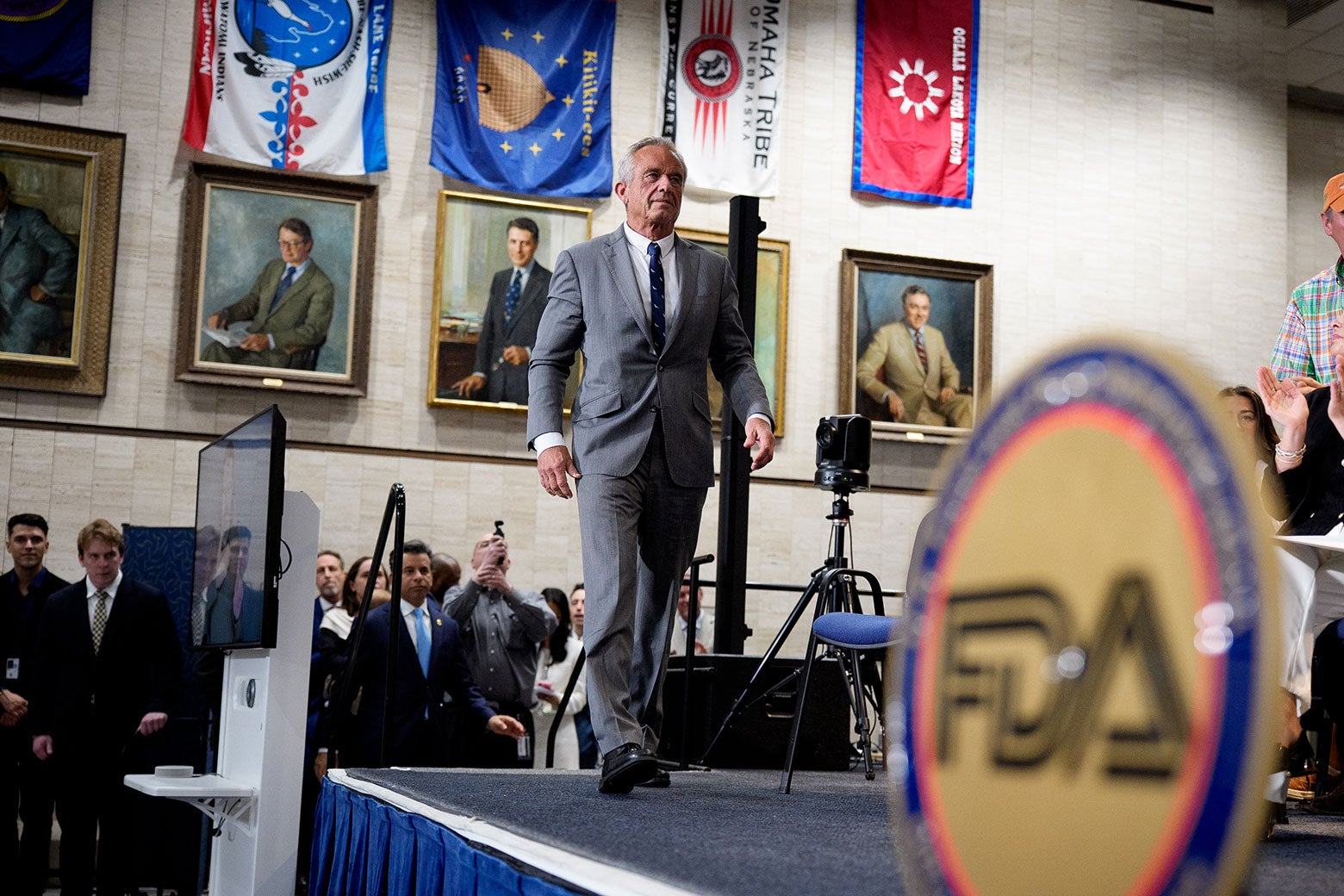
Secretary Kennedy denied blaming antidepressants for a Minneapolis school shooting despite making similar comments on Fox News the previous week, accusing Senator Smith of fabricating claims during a Senate Finance Committee hearing.


fromPsychology Today
4 months agoWhat If the Real Antidepressant Is You?
That question may sound provocative, but it has fascinated scientists for decades. Despite the billions of dollars spent each year on antidepressant drugs, a striking body of research suggests that much, and possibly all, of their benefit may come not from chemistry, but from expectation: the simple belief that the pill will help. 1,2 That phenomenon has a name: the placebo effect.
Mental health
fromwww.scientificamerican.com
5 months agoThis Two-Week Treatment May Reset the Brain, Treating Postpartum Depression
The birth of a child comes with a swirl of positive emotions: awe, joy, relief. And yet, for many birthing parents, this postpartum period can also be accompanied by monthsor even yearsof debilitating depression. For some of these parents, traditional antidepressant meds like sertraline, better known as Zoloft, and fluoxetine, aka Prozac, have provided some relief. But many with postpartum depression have had little recourse.
Mental health
fromPsychology Today
5 months ago"Chemically Imbalanced": An Interview With Joanna Moncrieff
Close to one-in-six American adults is currently prescribed an antidepressant. A serotonin, or "chemical," imbalance hypothesis remains one of the key justifications for antidepressant use. But many are now rejecting the term chemical imbalance and embracing the the identity of having a mental health condition. They're also asking whether antidepressants resolve a chemical imbalance or risk creating one. I recently spoke to Joanna Moncrieff, author of Chemically Imbalanced, about avoiding neuro-reductionism and thinking about mental states in ways that aren't disempowering.
Mental health


fromwww.dw.com
9 months agoDo antidepressants ease chronic pain? DW 08/27/2025
The day I was originally supposed to write about the connection between chronic pain and antidepressants, my hands and wrists hurt so much, I couldn't type for longer than a few minutes at a time. Ah, the irony. Thankfully, the pain mostly retreated over the course of a weekend. In the past, I've had to take time off work for weeks as typing, or any activity that involved using my hands, became nigh impossible.
Medicine
[ Load more ]