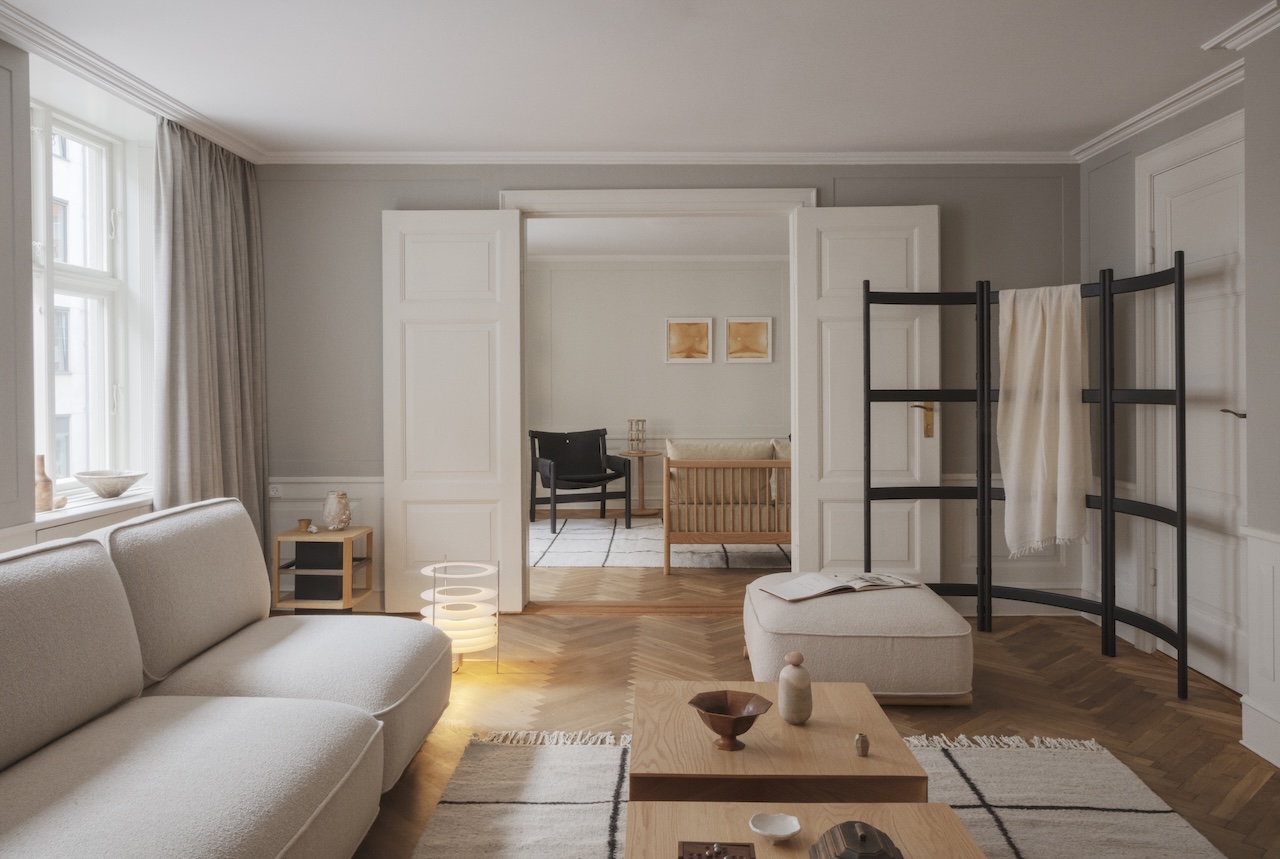
Throughout its history, Spain has been shaped by a wide range of cultures and civilizations, including Muslim, Phoenician, Roman, Greek, Carthaginian, and Visigothic influences, which are reflected in its architecture and design.
"We met with linen and wool weavers and were blown away by the exceptional quality and beauty of the cloth they produced, as well as the depth of [textile] history in Ireland. We were in equal measure concerned by the decline in the number of weavers. They mentioned that they were losing out to cheaper cloth from abroad and that Irish buyers were few and far between."
Craft is often defined as skill in making things by hand, but this interpretation is being challenged by AI. Craft transcends physical interaction; historical figures like Mozart and Beethoven exemplify mastery without traditional methods.
The most significant find was discovered during construction of one of the wind turbine platforms. Objects of bronze and amber were found close together, leading to the excavation of a hoard of Bronze Age jewelry dating from around 1500 to 1300 BC.
Studio NEiDA operates at the intersection of architectural practice, research, and curatorial work, focusing on how buildings emerge from the material and cultural conditions of a place.
Textiles are a window into the communities that created them, with every motif and line signalling a different memory, tradition or identity. Often seen as folk art, these pieces of embroidery and weaving bring together dozens of narrative threads, from Japan to South America. But nowhere is it more fraught with meaning than in Palestine.
From unassuming hunks of Carrara marble and limestone, Matthew Simmonds carves realistic, miniature gothic cathedral arches, stairwells, and colonnades. Often based on architectural details of real places, such as cities around Tuscany and Germany's Bamberg Cathedral, the sculptures portray intimate details of corners, vaulted ceilings, arcades, and stairwells that can sometimes be peeked through additional apertures.
Traveller check into hotels for easy access to historical Mayan sites and the cenotes beyond, with ambles through colourful squares and late, balmy nights digesting feasts over tequila tipples. Between cultural excursions and natural wonders, however, there's much to be said for the artisans in these parts. From crafted perfumes to handmade chocolates, these are the gifts and trinkets to make space for in your luggage.
Baqiao bridges, including the nearby Shisanba Bridge, typically appear in areas where the difference between river level and embankment is relatively small. Their upstream piers are shaped like tapered spindles with slightly raised tips, creating a distinctive structural profile. Stone slabs span between the piers, forming a bridge deck assembled through interlocking construction methods.
The advertising industry has always been in the business of making things, such as the OOH billboard, the 30-second spot, the snappy social post, the standard website: final, finite assets polished and pushed into the world. Agencies were paid, often by the hour, for producing final versions of these things and then moved on to the next project. Even with generative AI entering the picture, much of the conversation remains focused on making those same things faster or cheaper.
Picture this: you're knee-deep in renovation dust, crowbar in hand, when something unexpected tumbles from behind century-old plaster. A yellowed envelope? A strange metal box? That moment when your heart skips because you realize you might have just found something extraordinary. For some lucky homeowners, these discoveries turn out to be worth thousands of dollars, transforming a simple home improvement project into an unexpected treasure hunt.
Tons upon tons of these single-use plastics end up in landfills or even floating in the ocean. Spanish design firm PET Lamp set out give another purpose to these otherwise short-lived materials. Partnering with artisans in communities from Chile to Ethiopia to Australia, the company celebrates both Indigeneity and sustainability, drawing upon time-honored global craft traditions while supporting local economies and recycling discarded materials.
Small businesses operating in niche sectors often face a paradox: projects become increasingly complex and large-scale, while the company's structure and resources remain at the level of a small, independent workshop. This is especially evident in architectural offices, design studios, creative agencies, and workshops working with unique physical objects. A church woodcarving workshop performing a full cycle of work on the creation of iconostases and interior ensembles for churches serves as a representative case.
Lighting is one of the most essential aspects of a home; it's also one of the most overlooked. The right illumination can create ambience, soften harsh edges, and imbue a sense of warmth. However, not all light sources are of the same quality. A custom chandelier, for instance, will always stand head-and-shoulders above the rest. These meticulously made creations can range from minimalist to monumental, bringing scale, ambition, and elegance into the room.
The Irish government will give 2,000 artists unrestricted weekly stipends in a program officials described as a "recognition, at government level, of the important role of the arts in Irish society." After a successful three-year pilot, the Irish government made its basic income program for artists permanent. Similar pilots have been launched here in the United States, but they're supported primarily by the nonprofit sector.
It is not about reproducing the past but about engaging in dialogue with it. We apply the same level of care and rigor to all pieces. Many of our utilitarian pieces have a strong sculptural quality, and several of the more artistic works originate from everyday forms and functions. We do not establish rigid boundaries between these categories; all are part of the same vision.
Tattoos and fermentation rarely appear in the same conversation, yet across the world, they share a quiet kinship. Both are practices of transformation, crafts that reshape raw material over time through care and relationships to the land, the spiritual, and the community. Tattooing inscribes identity and ancestry onto skin, while fermentation preserves, nourishes, and binds communities through shared taste and ritual. Both create change, brewing something more than themselves through embodied knowledge passed between generations.