#robotaxis
#robotaxis
[ follow ]
#autonomous-vehicles #waymo #uber #tesla #electric-vehicles #baidu #regulation #wuhan #safety-recalls


#waymo
Privacy technologies
fromLGBTQ Nation
1 week agoAn app banned an LGBTQ+ activist as a "terrorist." They ignored it for years, until he fought back. - LGBTQ Nation
Waymo blocked a user after name-based identity checks matched terrorist-related watchlist aliases, and later added an audit request process after a lawsuit.
Privacy technologies
fromLGBTQ Nation
1 week agoAn app banned an LGBTQ+ activist as a "terrorist." They ignored it for years, until he fought back. - LGBTQ Nation
Waymo blocked a user after name-based identity checks matched terrorist-related watchlist aliases, and later added an audit request process after a lawsuit.






fromBusiness Insider
3 months agoTesla takes a swipe at Waymo after Philippines remote worker backlash
In comments submitted to the state's Public Utilities Commission on Tuesday, Tesla referred to the December 2025 San Francisco power outage that left some Waymo vehicles stranded in traffic. Waymo later said the blackout caused a spike in requests from its robotaxis to the company's remote assistance (RA) team, who assist the company's robotaxis when they get into unusual situations. The surge in requests ultimately overwhelmed the system, Waymo said.
Artificial intelligence
Artificial intelligence
fromBusiness Insider
3 months agoWe rode in dozens of driverless robotaxis in China. They're far from perfect, but they're ahead of most of the world.
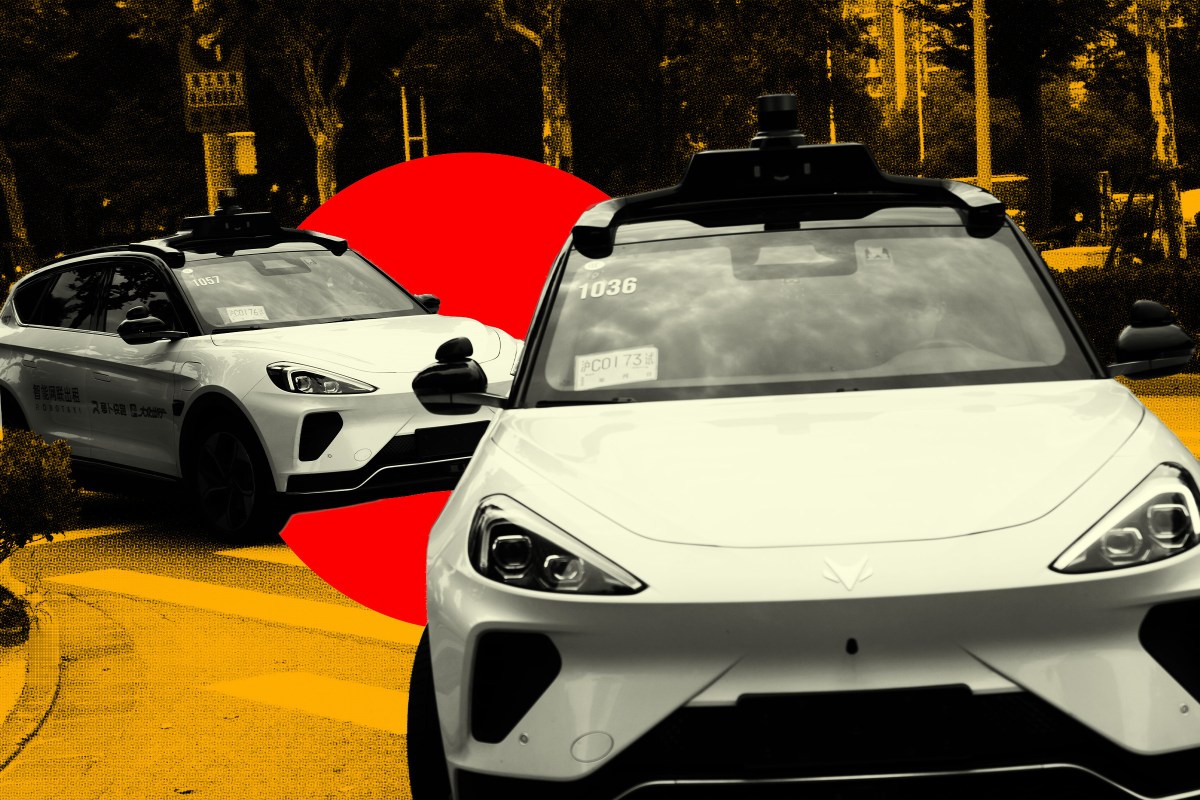
China operates large, active robotaxi services—Baidu Apollo, Pony.ai, and WeRide—offering real driverless rides amid complex street conditions and pursuing global expansion.
Venture
fromBusiness Insider
3 months agoUber's new plan to deploy 25,000 robotaxis will come from an autonomous trucking company led by ex-Uber alum
Uber will invest $250 million in Waabi to help scale autonomous driving efforts toward deploying 25,000 robotaxis by combining marketplace strengths with AV technology.
fromThe Verge
4 months agoWaymo is accepting public riders in Miami
Starting today, anyone on the company's waitlist of approximately 10,000 people can hail one of its robotaxis for trips within a 60-square-mile service area that includes popular neighborhoods like the Design District and Wynwood, Brickell, and Coral Gables - but not popular tourist destinations like South Beach. The vehicles also will initially avoid highways and stick to local roads, with plans to expand to faster-speed roads later this year.
Artificial intelligence
fromBusiness Insider
4 months agoThis 'driverless car' startup is doing the one thing robotaxi companies don't want to be caught doing
"It always felt like it was three years out," he said of autonomous driving. "And then every year it shifted by a year. So we wanted to have self-driving cars everywhere in 2020 at Zoox. And then it was 2021 and so forth." Von der Ohe left Zoox in 2018. Instead of fixating on robotaxis, von der Ohe wanted to stay in mobility but work on something that could be faster to bring to market
Startup companies
[ Load more ]