U.S. financial markets experienced a volatile week, largely influenced by geopolitical developments in the Middle East and fluctuations in energy prices. Investor sentiment was driven primarily by external events rather than domestic fundamentals.
The UK has about 1.59GW of currently installed datacentre capacity at just under 190 sites. If we add existing capacity to that which is planned to complete by 2030 and which has planning consent, we get 4.9GW.
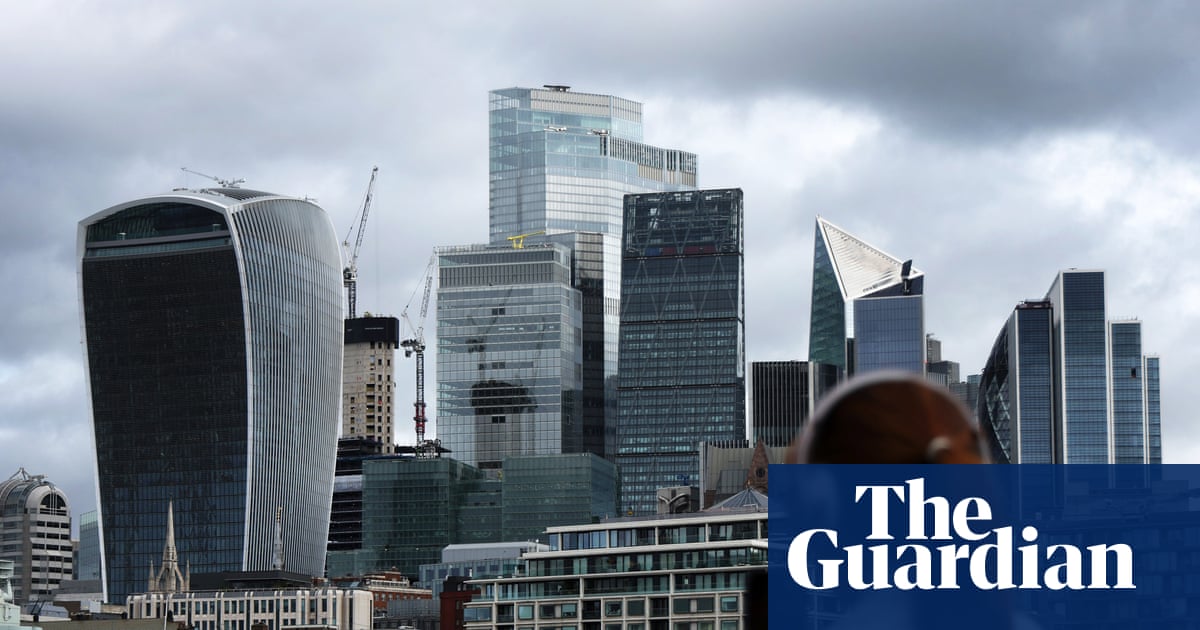
The Weil European Distress Index shows that financial pressures on European companies had already moved into 'distress territory' before the escalation of tensions involving Iran, leaving firms with far less capacity to absorb another energy-driven shock.
The Chancellor's optimism around falling inflation and improving household finances is welcome, but for the thousands of small businesses facing rising employment costs in April, recovery is likely to still feel distant. Cash flow pressures are real and immediate, and many owners will have been hoping for more practical guidance on navigating decisions around hiring, investment, and growth.
A surge in capital gains tax, employers' National Insurance contributions and a boost in income tax receipts helped buoy the government's finances last month. An uptick in tax receipts, which far outstripped spending, created a 30.4bn surplus in January. The Office for National Statistics (ONS) said it was the highest surplus in any month since records began in 1993, without adjusting for inflation, and nearly double last January's 15.4bn figure.
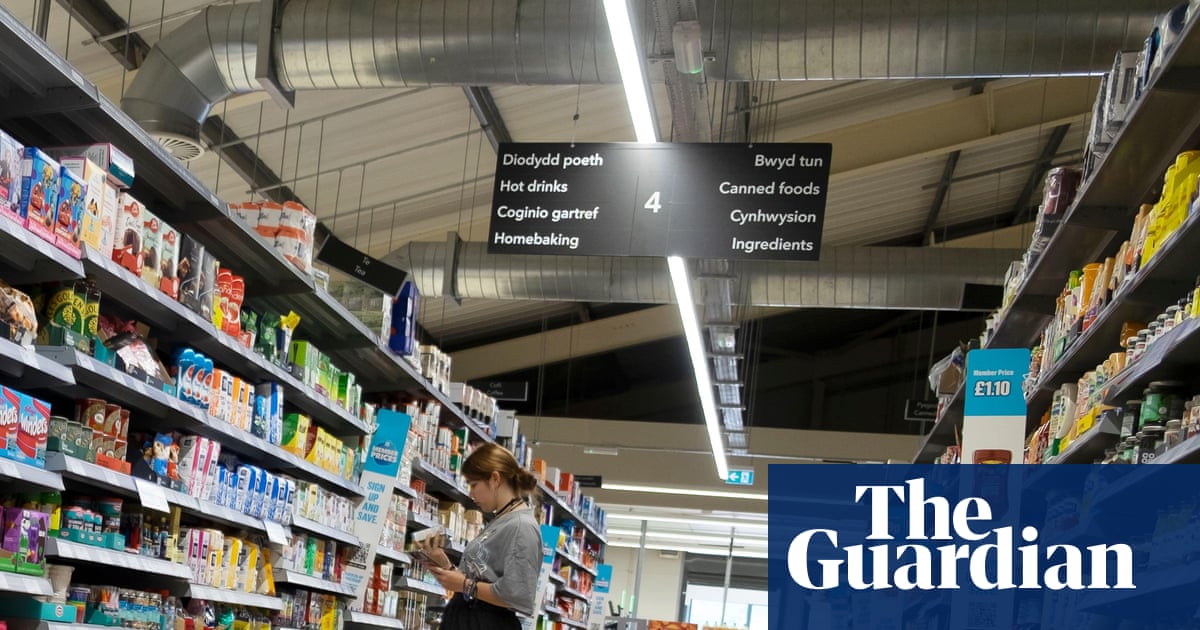
Stubborn inflation, consistently constrained access to finance, and a recent Budget that hasn't quelled concerns about rising rates, taxation and employee costs are encouraging more SMEs than ever to reassess how they manage their cash reserves and get the most from them. In the 12 months to 30 November 2025, total cash directly deposited by UK SMEs onto Flagstone, the UK's largest savings platform, increased by 77%, from £1.6 billion to £2.9 billion.
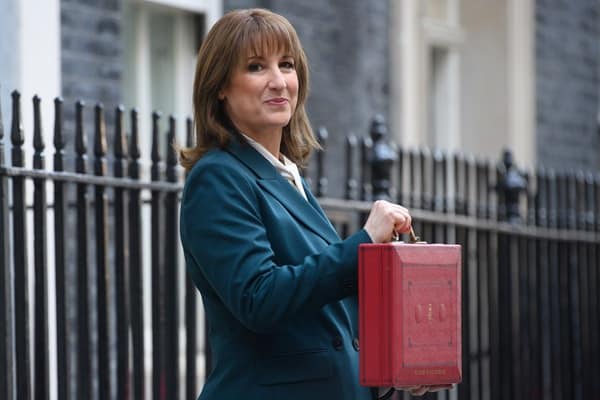
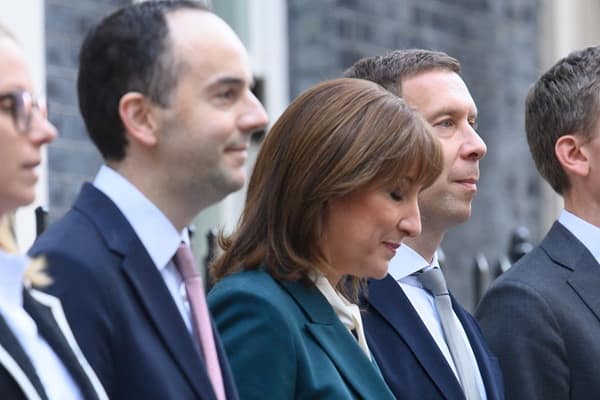
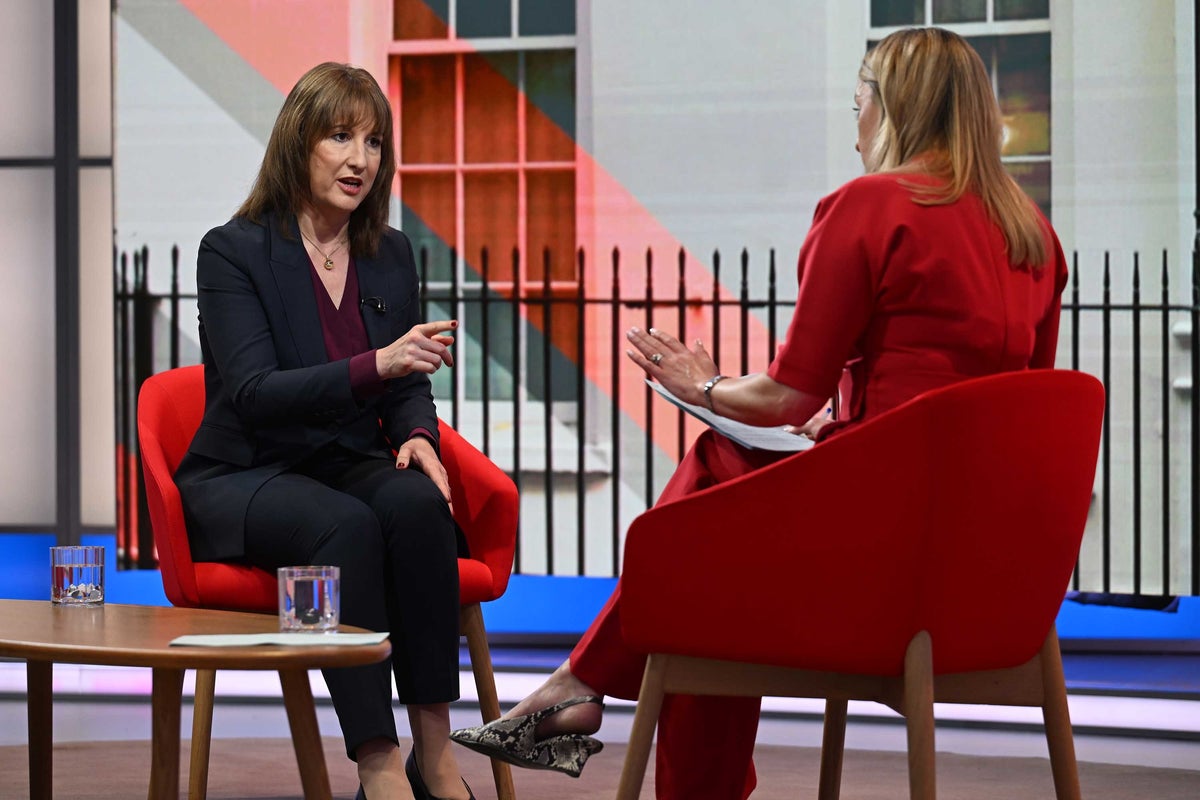
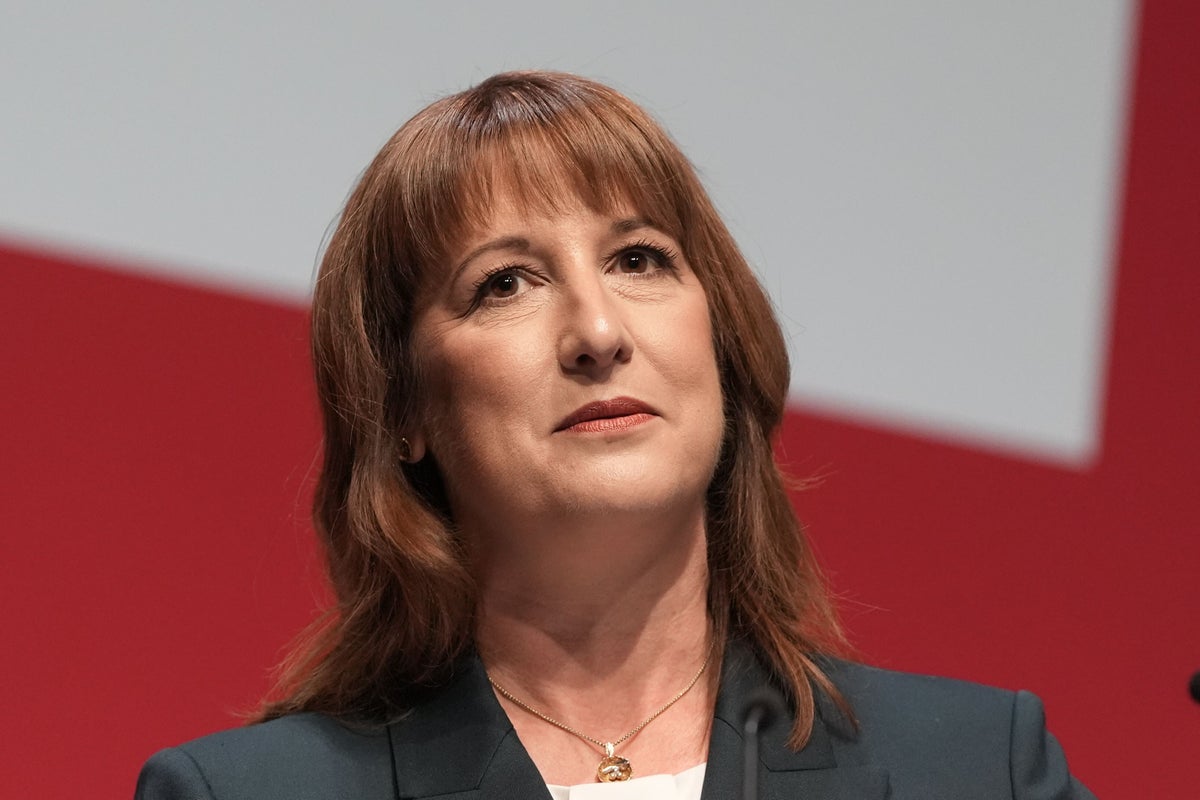
Rachel Reeves told MPs that living standards are expected to improve over the course of this parliament. Her central claim was that households would be around £1,000 a year better off by the time voters next go to the polls. The projection is based on forecasts for real household disposable income - a measure that tracks the amount people have left after tax and inflation.
Net zero migration (NZM) would have clear fiscal consequences for the UK economy: lower tax revenues would leave the government needing to raise taxes to close an increasing funding gap over the long-term, according to analysis contained within the National Institute of Economic and Social Research's latest quarterly Economic Outlook. Slower employment growth and a smaller tax base would reduce revenues, increasing the budget deficit by around 0.8 per cent of GDP, equivalent to approximately £37 billion in today's prices, by 2040.
Around six million low-income households will continue to receive 150 off their winter energy bills after the government confirmed its Warm Home Discount will remain for five more years. It follows a consultation on how best to continue the scheme, which has been in place since 2011, with eligibility widened last year to include a further 2.7 million families. Ministers said extending the scheme until the winter of 2030/31 would help with the ongoing high cost of living,
Whether it's investigating the financials of Elon Musk's pro-Trump PAC or producing our latest documentary, 'The A Word', which shines a light on the American women fighting for reproductive rights, we know how important it is to parse out the facts from the messaging. At such a critical moment in US history, we need reporters on the ground. Your donation allows us to keep sending journalists to speak to both sides of the story.
Public sector net borrowing the difference between spending and income was 11.6bn last month, the Office for National Statistics said, compared with 18.7bn in the same month a year earlier. Economists polled by Reuters had expected borrowing to be 13bn in December. The figure is closely watched by the City as it shows how much the government is borrowing to finance its spending plans and whether it is exceeding its target for the year.
Political U-turns come in various forms, and as news of the latest government reversal drifted out, this one connected to the plight of the pub trade, Labour MPs could take comfort in one thing: at least it happened quickly. While last summer's change of stance on benefit reforms was forced on Downing Street by open rebellion, and those for pensioners' winter fuel payments and inheritance tax for farmers followed months of dissent, the decision to revisit decisions on business rates took a matter of weeks.
The economy continued to grow slowly in the last three months of the year, with the growth rate unchanged from the previous quarter. The often-dominant services sector showed no growth, with the main driver instead coming from manufacturing. Construction, meanwhile, registered its worst performance in more than four years. The rate of growth across 2025 as a whole was up slightly on the previous year, with growth seen in all main sectors.