#backyard-chickens
#backyard-chickens
[ follow ]
#gardening #sustainability #native-plants #urban-gardening #pollinators #plant-care #pest-control #agriculture

#sustainability

Online Community Development
fromDaily Coffee News by Roast Magazine
3 weeks agoStudy: Social Enterprises Beat Corporate Sustainability in Farmer Well-Being
Social enterprises significantly enhance farmer well-being compared to traditional corporate sustainability programs and cooperatives in the coffee and cocoa sectors.
fromwww.theguardian.com
4 weeks agoSmall changes in how we garden can make a big difference to birds | Letter
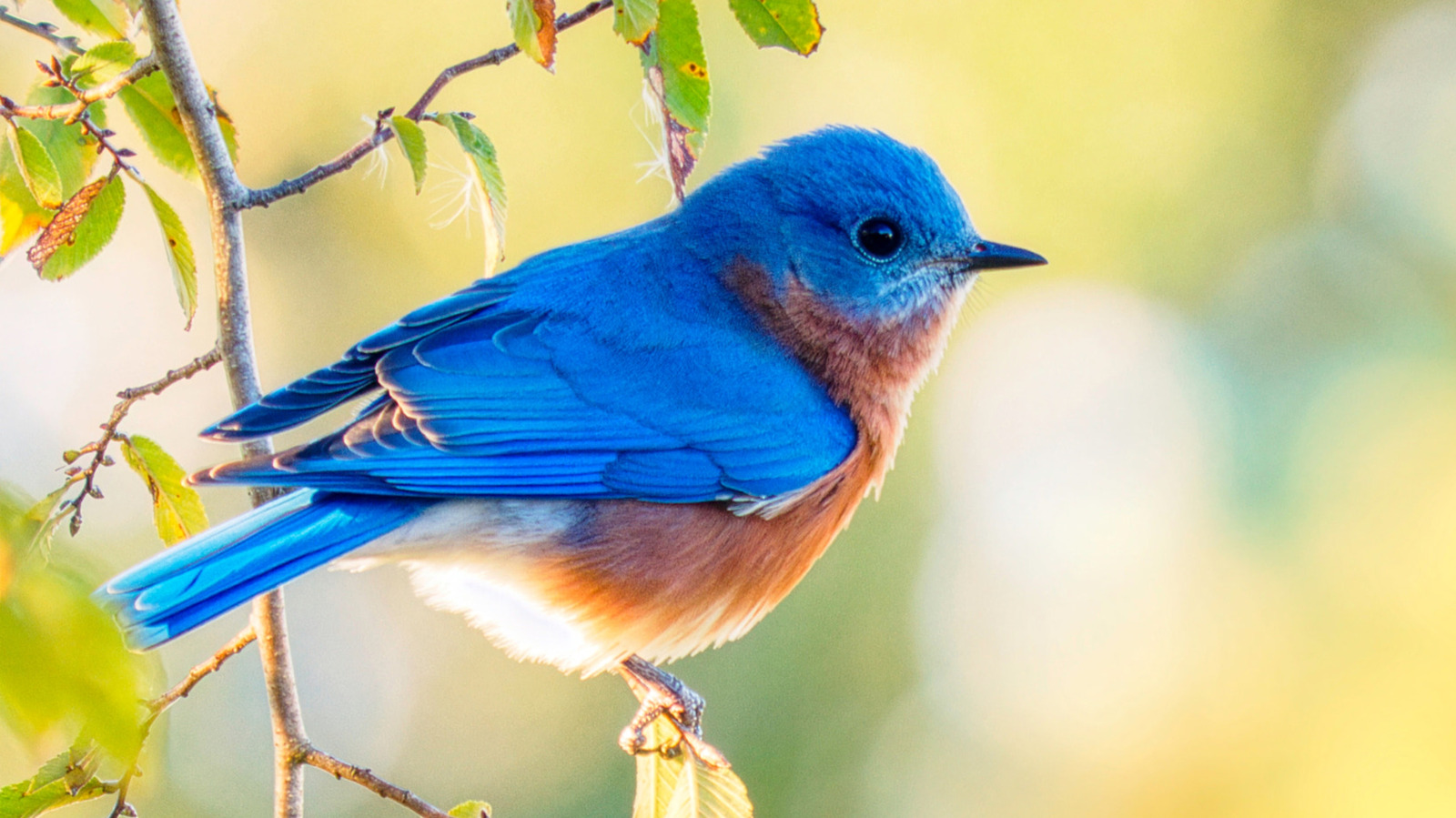
Around a third of UK gardeners use pesticides, and our studies found that house sparrow numbers, for example, were nearly 40% lower in gardens where the pesticide metaldehyde was used. By reducing pesticide use, you can actively encourage birds back into your outdoor spaces, as they rely on invertebrates such as slugs and snails as natural prey.
Pets
Everyday cooking
fromApartment Therapy
1 month agoThis Kitchen Storage Gem Looks Like an Actual Mini Chicken Coop
The Red Shed Chicken Coop Egg Storage is a decorative 10.5-by-5.5-by-14-inch storage cupboard from Tractor Supply that holds up to 30 farm-fresh eggs across three shelves, retailing for $39.99.
fromwww.archdaily.com
1 month agoGaughar Animal Husbandry / Compartment S4
Set within a 350-acre fruit orchard in Dahanu, Maharashtra, the 'Gaughar' occupies nearly 14 acres of a larger rural campus that includes a tribal school for 600 children and a skill development centre. More than an isolated structure, the gaushala forms part of a living landscape, one shaped by agriculture, learning, and care.
Renovation
fromAeon
2 months agoIn solarpunk cities of the future, tech follows nature's lead | Aeon Essays
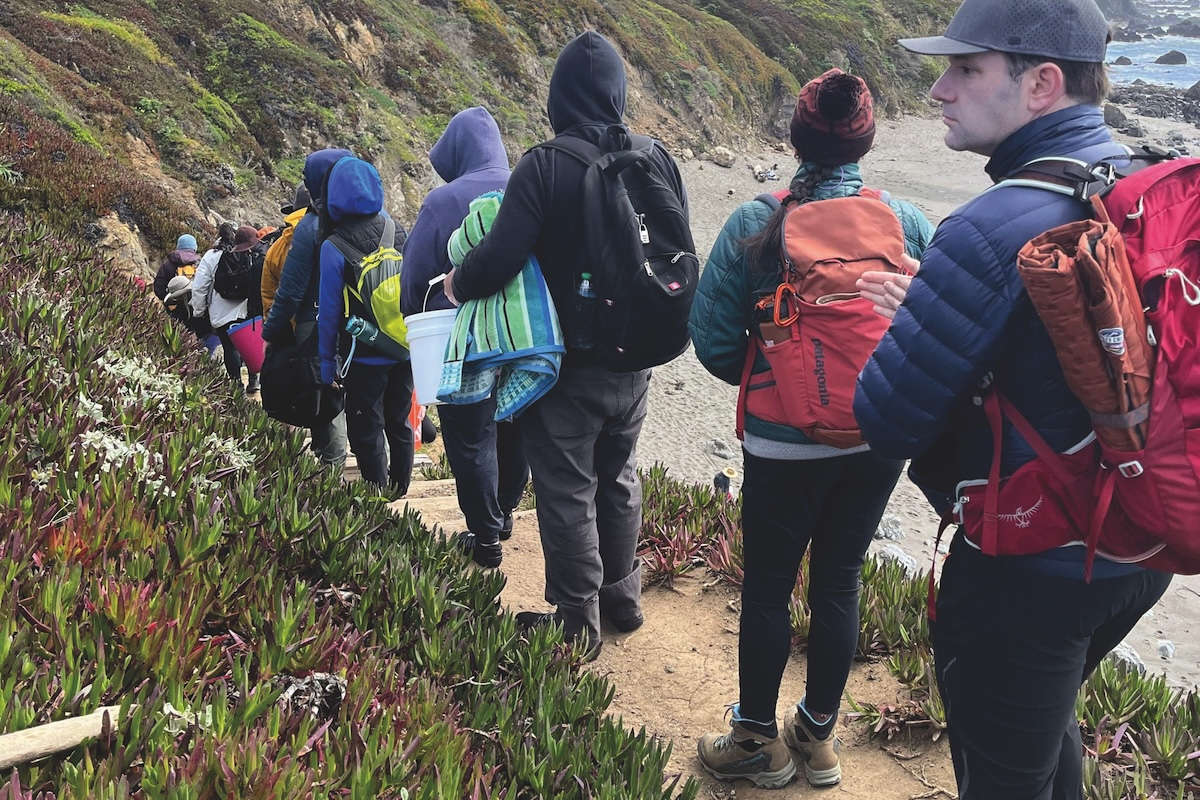
In Indra's Net of pearls and jewels, every gem reflects every other, a shimmering image of interdependence. This ancient Vedic metaphor for connection across the cosmos also illuminates what the environmental philosopher Glenn Albrecht first proposed in 2014as 'theSymbiocene': the era after the Anthropocene, in which human technologies take their cues from living systems and work in partnership rather than through dominance.
Philosophy
fromFast Company
2 months agoThe Farmers' Almanac isn't dead. It's getting a digital reboot under a new owner
"I saw the announcement that one of America's most enduring publications was set to close," Konrad said, "and it felt wrong to stand by while an irreplaceable piece of our national heritage disappeared."
Media industry
fromSilicon Canals
2 months agoThis kitchen scrap makes the best free fertilizer and most people throw it away - Silicon Canals
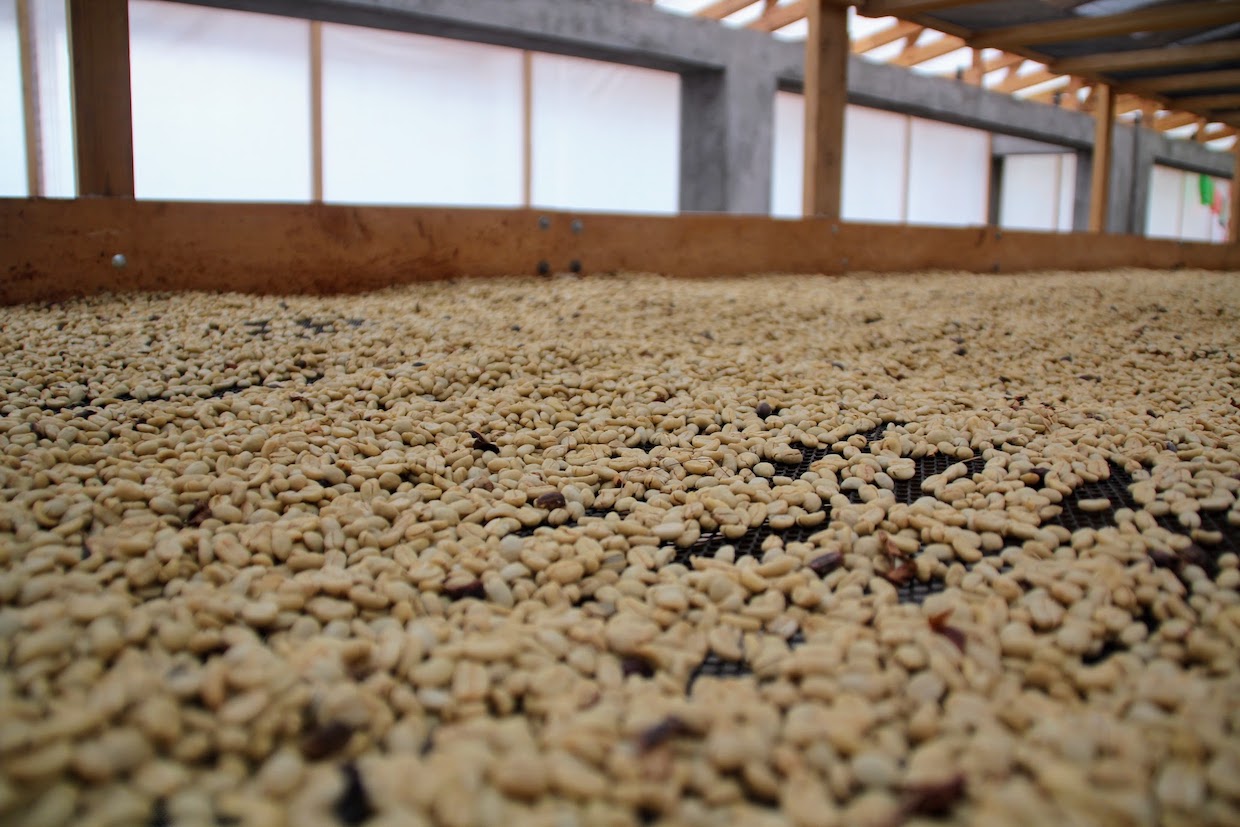
Last week, I was making my morning coffee-you know, the complicated order I'm too embarrassed to say out loud at coffee shops-when I noticed the pile of used grounds in my filter. For years, I'd been tossing these straight into the trash without a second thought. But then I remembered something my grandmother wrote in one of her letters years ago: "The garden teaches us that nothing is truly waste."
Coffee
Agriculture
fromYanko Design - Modern Industrial Design News
3 weeks agoThis Wood Greenhouse Solves the Biggest Problem Backyard Gardeners Face - Yanko Design
The Miracle-Gro Wood Greenhouse by ShelterLogic extends growing seasons and protects plants from frost and weather using double-wall polycarbonate insulation and strategic ventilation systems.
Agriculture
fromTasting Table
4 weeks agoCan You Grow A Garden From Grocery Store Produce Seeds? - Tasting Table
Growing vegetables from store-bought seeds is possible but results vary based on produce type, growing method, and post-harvest treatment, with hybrid plants producing different crops than their parent plants.
fromwww.theguardian.com
2 months agoHumanity's favourite food': how to end the livestock industry but keep eating meat
For someone aiming to end the global livestock industry, Bruce Friedrich begins his new book called Meat in disarming fashion: I'm not here to tell anyone what to eat. You won't find vegetarian or vegan recipes in this book, and you won't find a single sentence attempting to convince you to eat differently. This book isn't about policing your plate.
Environment
fromTasting Table
4 weeks agoThis Self-Seeding Herb Practically Grows Itself Once Established In Your Garden - Tasting Table
Garden angelica, Angelica archangelica, belongs to the Apiaceae family, the same botanical group as carrots, celery, fennel, and parsley. Like its relatives, it produces a large, distinctively umbrella-shaped inflorescence, or flower cluster, called umbels. In its first year, the plant forms a lower mound of bright green leaves. In the second, a thick, hollow stem shoots upward and unfurls the broad green flower heads that resemble wild carrot or Queen Anne's Lace.
Agriculture
Agriculture
fromArchitectural Digest
1 year ago13 Raised Garden Bed Ideas to Elevate Your Backyard This Spring
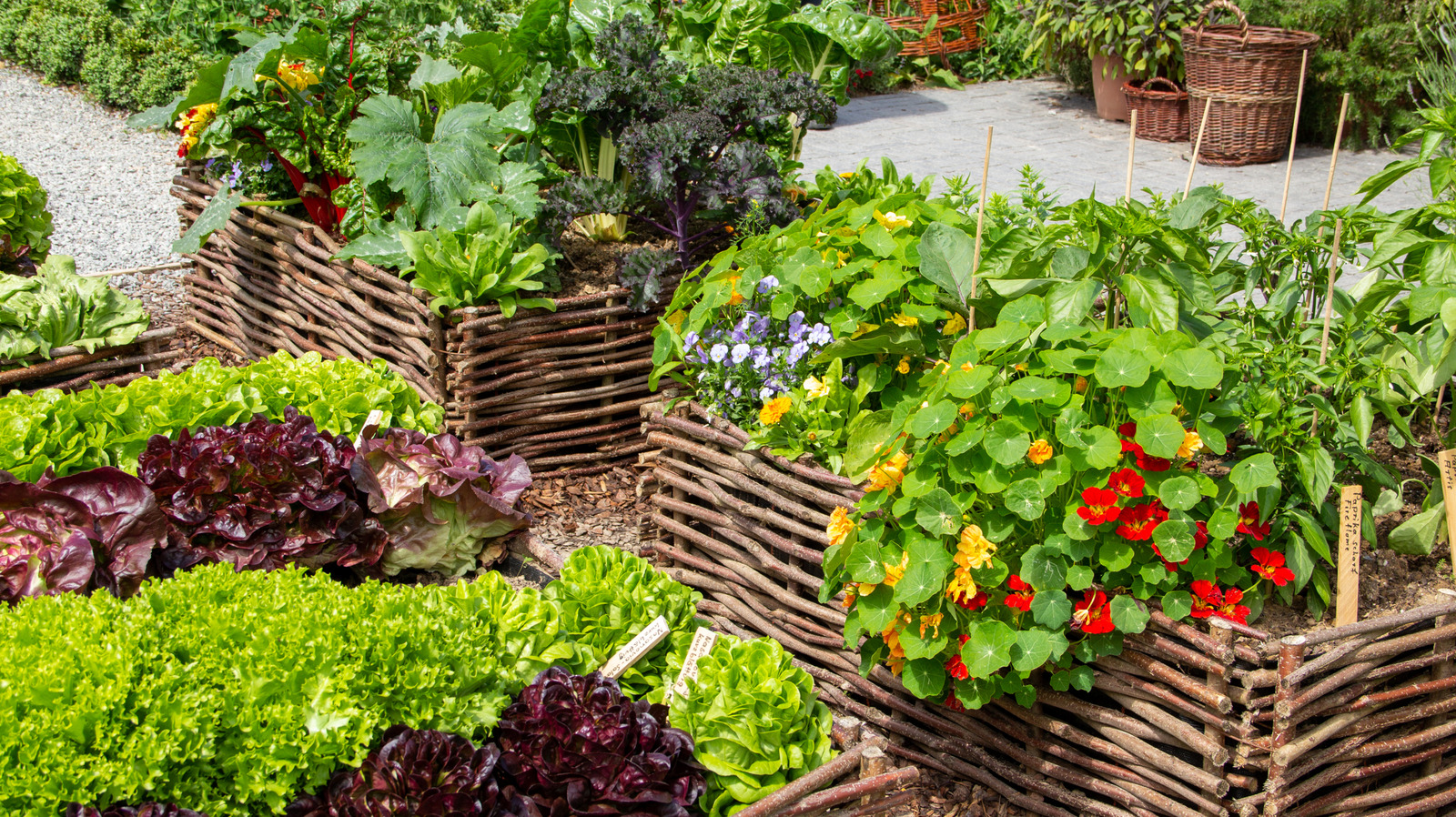
Raised beds allow gardeners to engineer ideal soil conditions, improve ergonomics, protect crops from pests, and enable faster soil warming and easier watering compared to ground-level gardening.
Agriculture
fromTasting Table
1 month agoGrowing Strawberries? This Brilliant Backyard Method Is So Easy - Tasting Table
Growing strawberries in gutters is an accessible beginner-friendly method requiring minimal space, drainage holes, soil, and eight hours of daily sunlight for successful vertical gardening.
fromInsideHook
2 months agoAn Essential Part of Farming Has Two Wings and a Beak
When you think of farming, what ingredients do you generally associate with a successful harvest? The basics certainly come to mind: fertile soil, plenty of sunlight and lots of water. But there are other variables that can also mean the difference between a crop of healthy fruits and vegetables and a large heap of organic waste. And it turns out that one of those variables is a very small hawk.
Agriculture
fromwww.theguardian.com
1 month agoWhen it comes to preparing seeds for your garden, you'll reap what you sow
To an unimaginable eye, a seed looks inert. Yet they are packed with genetic information and biological processes poised to unfold. All it takes is the right configuration of signals and stimuli from the environment to let them know it's time to dare to grow.
Agriculture
[ Load more ]