#beatles-history
#beatles-history
[ follow ]
#rolling-stones


Music
fromenglish.elpais.com
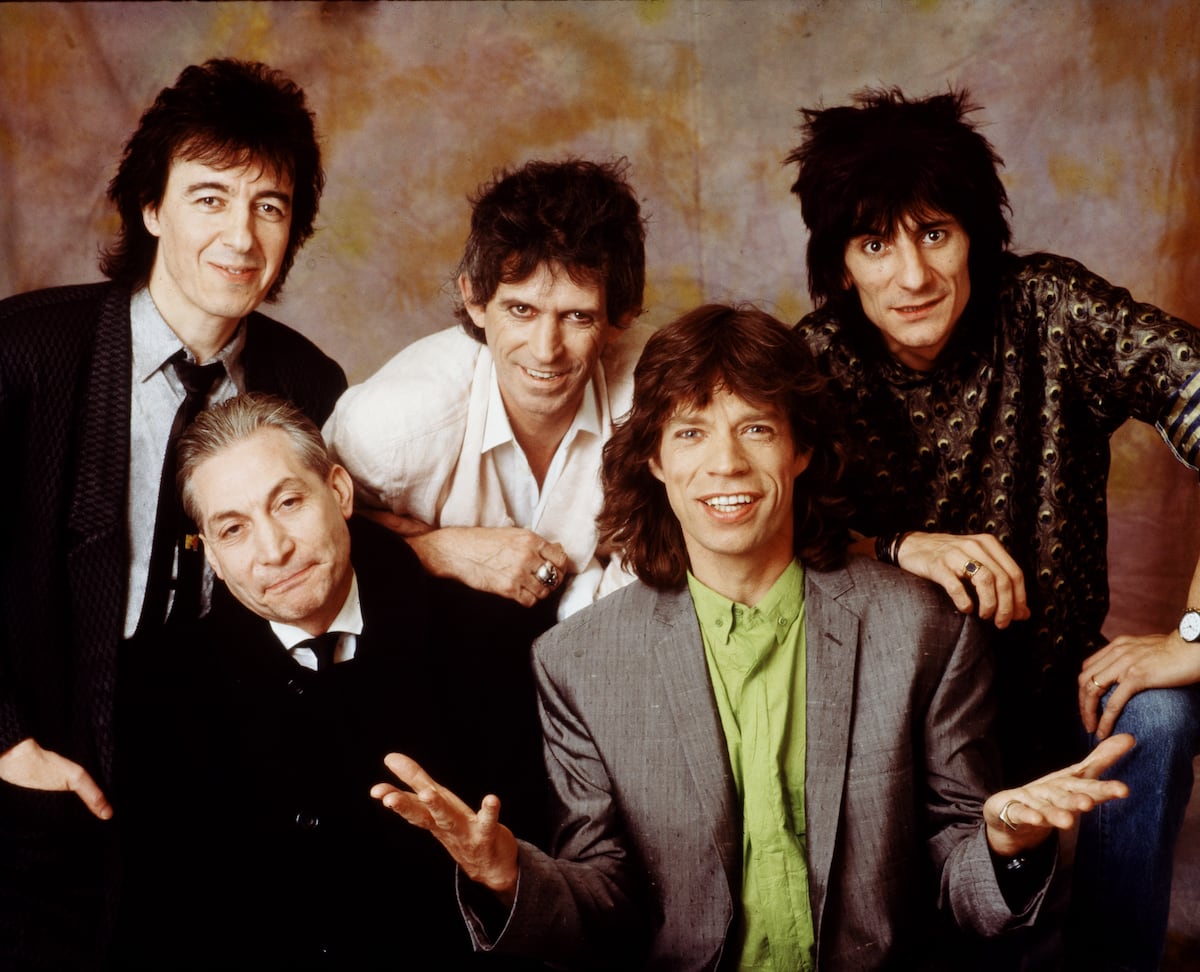
3 weeks agoHow The Rolling Stones recorded the worst album of their career: There was too much bitterness, it was the bad end of the drug-taking'
Tension among Rolling Stones members peaked during the recording of their 18th album, leading to significant conflicts and individual pursuits overshadowing the band.




#rock-and-roll-hall-of-fame
Writing
fromVulture
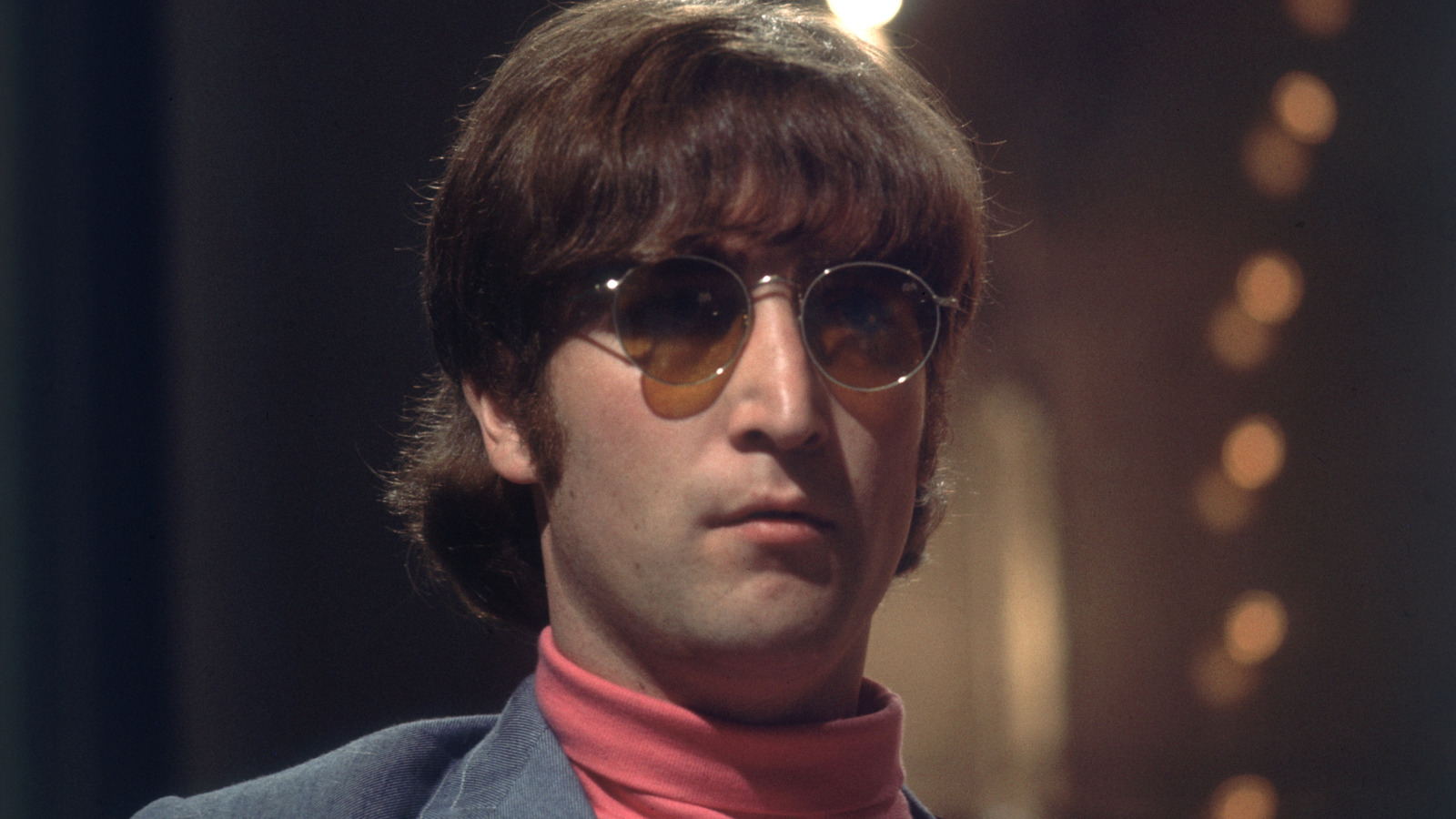
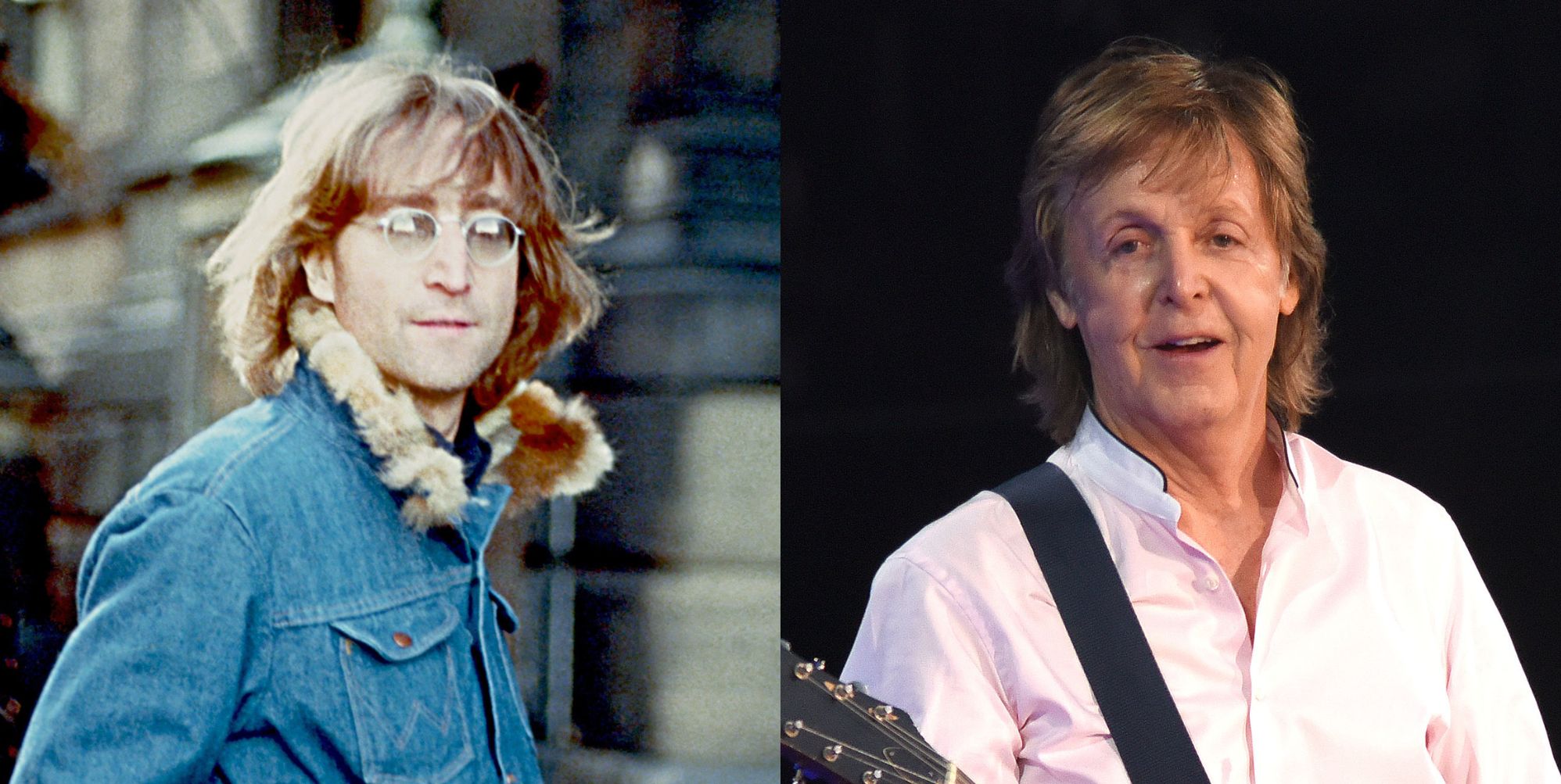
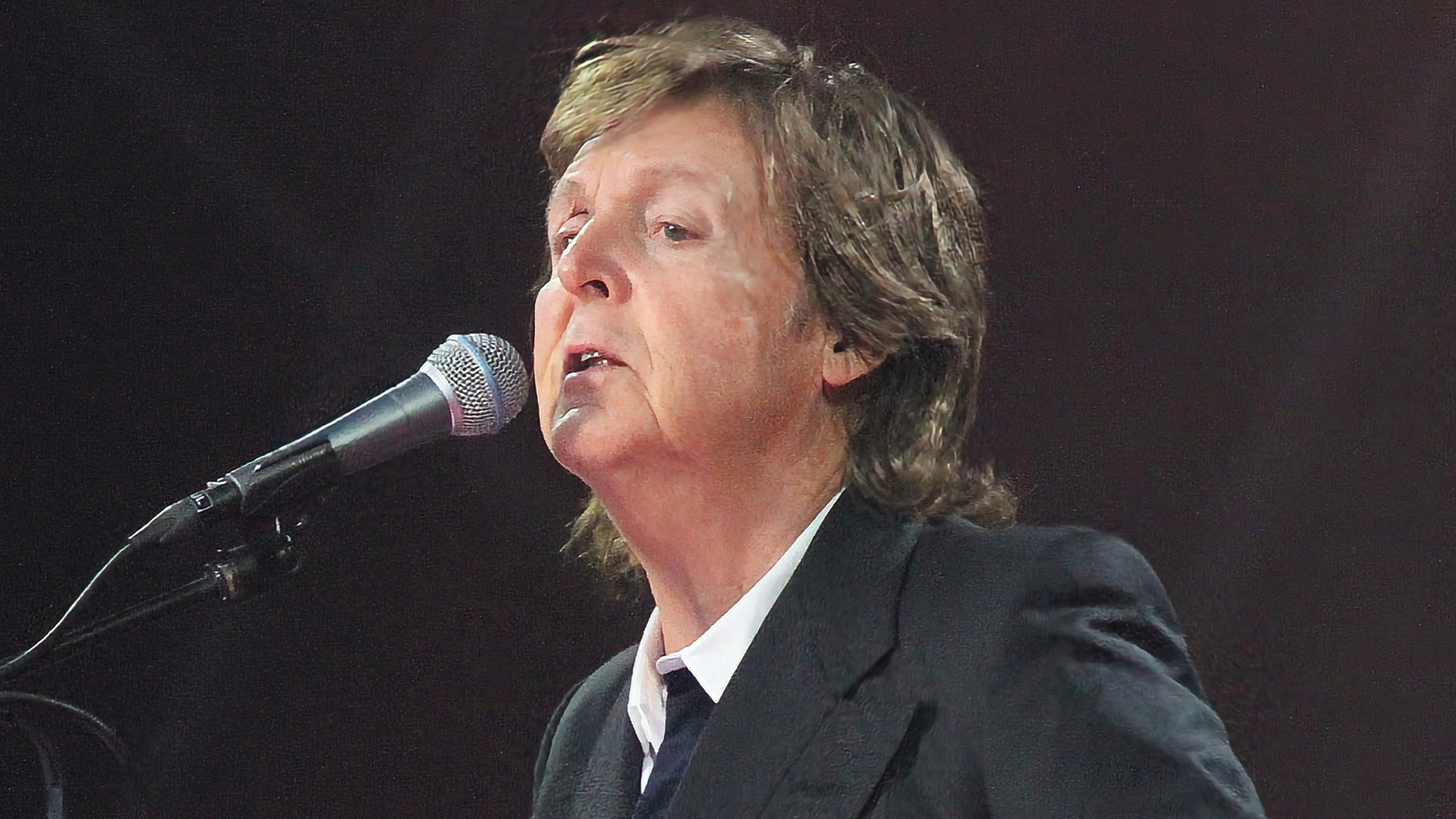
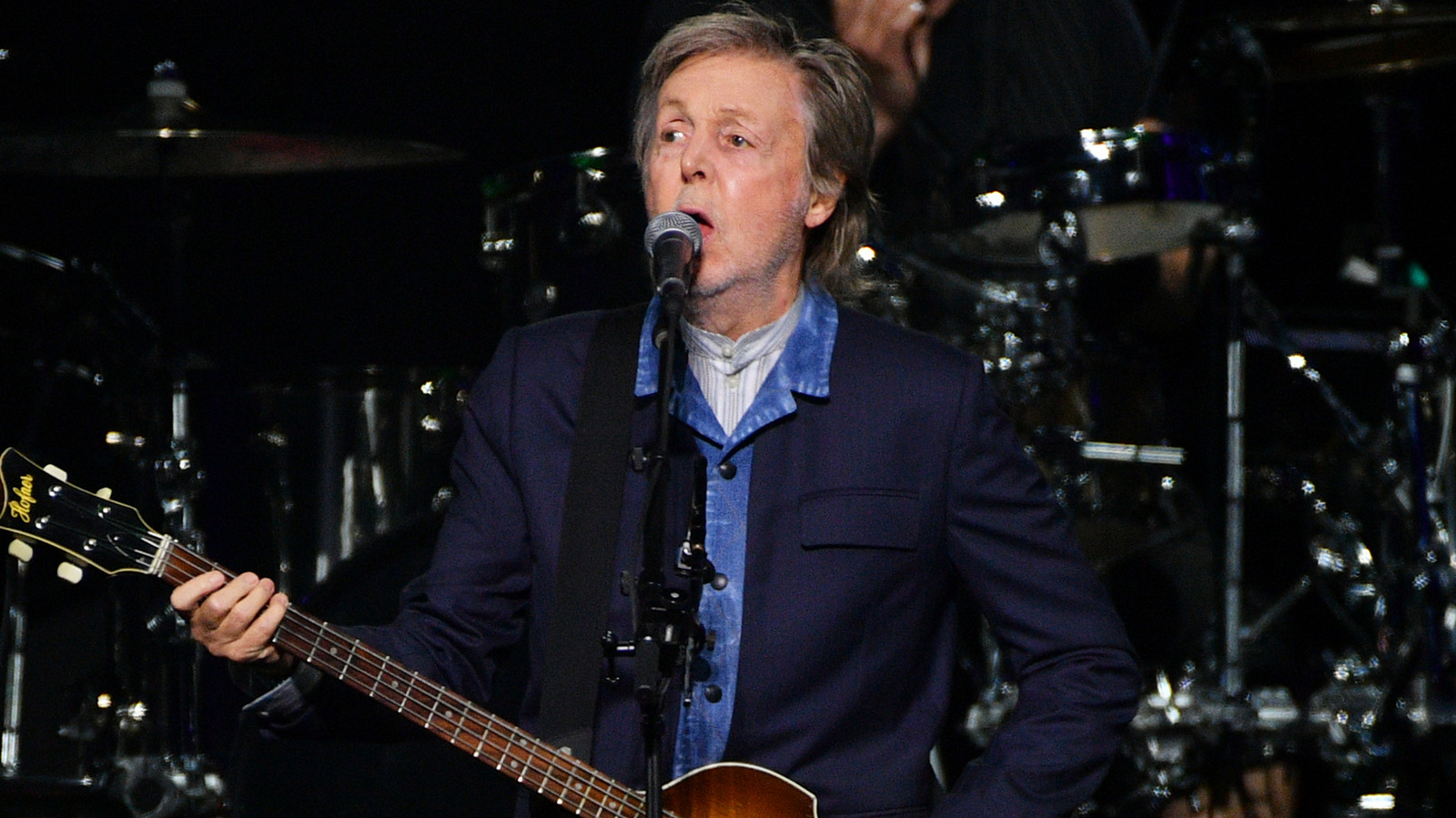
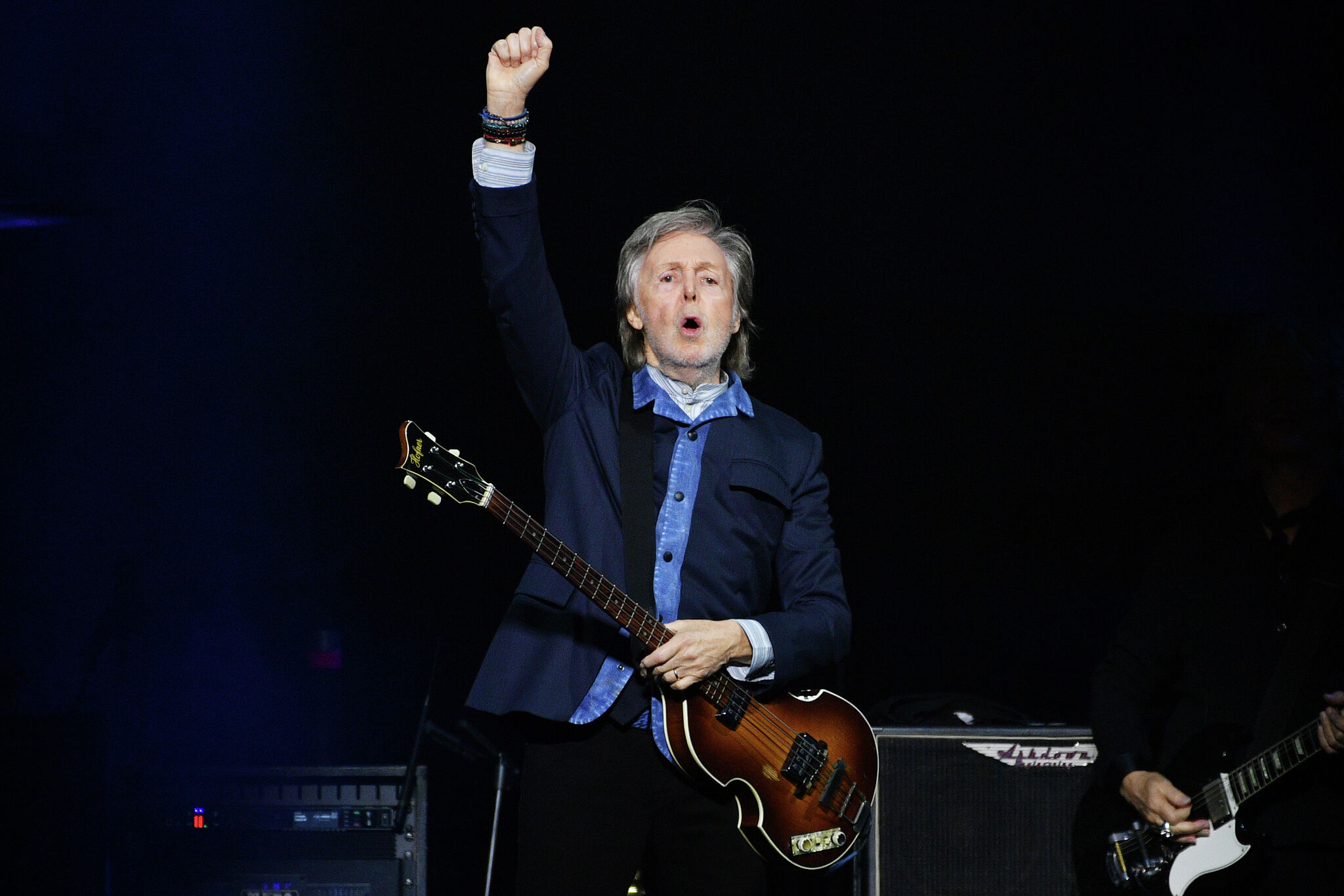
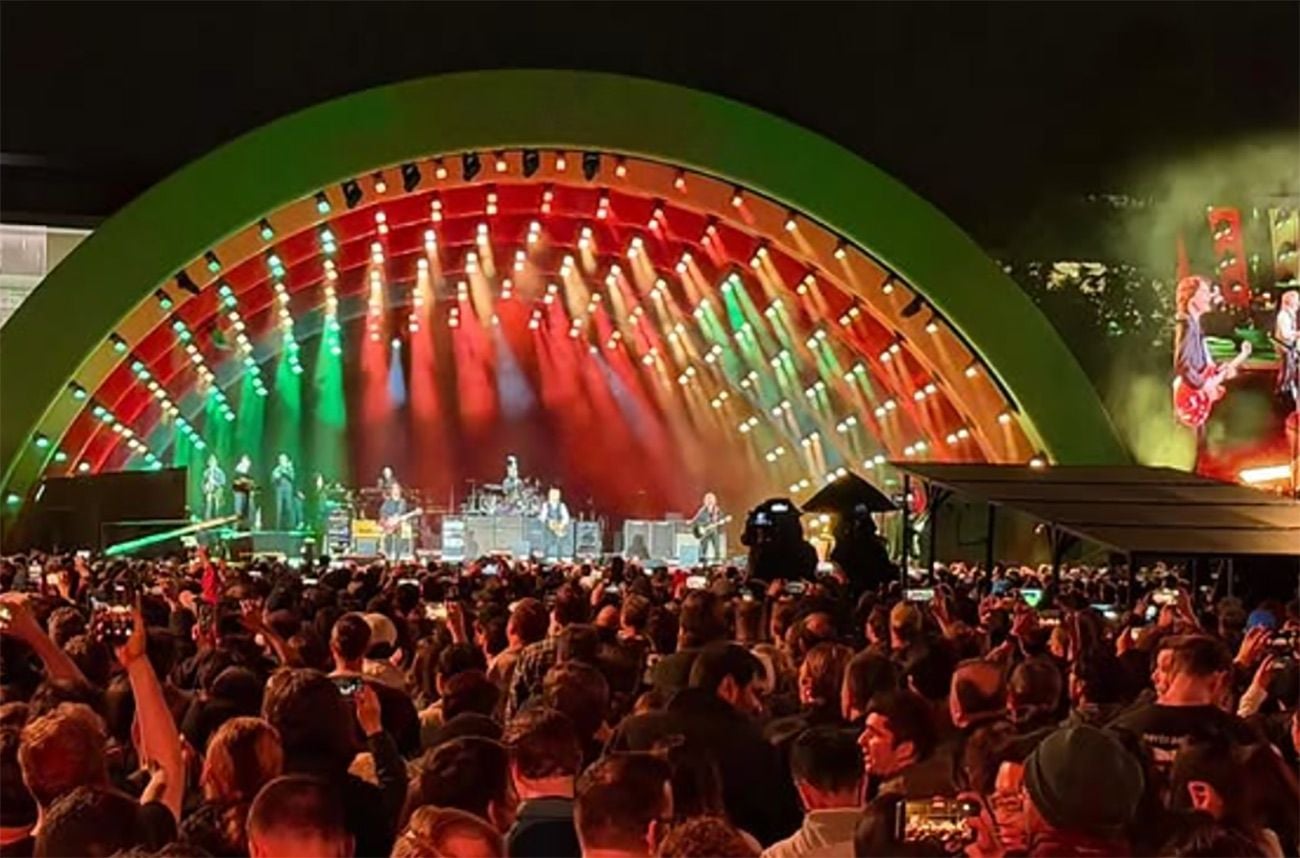
1 month agoPaul McCartney Still Holds a Grudge About His Belated Rock Hall Induction
Paul McCartney harbored resentment toward Rolling Stone editor Jann Wenner for inducting John Lennon as a solo artist in 1994 before McCartney received his own solo induction in 1999, feeling their contributions were equal despite historical revisionism favoring Lennon after his death.
#ringo-starr
London music
fromConsequence
1 month agoRingo Starr Announces New Album Long Long Road, Unveils "It's Been Too Long"
Ringo Starr releases Long Long Road on April 24th, a country album produced by T Bone Burnett featuring collaborations with Molly Tuttle, Sarah Jarosz, Billy Strings, Sheryl Crow, and St. Vincent.
fromOpen Culture
1 month agoHear Paul McCartney's Forgotten 1967 Movie Soundtrack, Arranged by George Martin
Adapted from a stage play by Alfie author Bill Naughton, The Family Way finds its material in the trials of a pair of northern newlyweds who, having been fleeced by a crooked travel agent, end up having to spend their honeymoon at home. What's worse, given their impecuniousness, "home" meant a room in the house of the groom's parents.
Film
fromDesign You Trust - Design Daily Since 2007
1 month agoWrapped in Pink: Pink Floyd's Psychedelic 1968 Photo Session
Shot by photographer Michael Ochs, the band appears completely wrapped in a single sheet of translucent pink plastic or fabric, a playful literal riff on their name that perfectly suits the whimsical, experimental spirit of the psychedelic era.
Photography
Left-wing politics
fromwww.mercurynews.com
1 month agoToday in History: March 4, Lennon's We're more popular than Jesus now' comment draws backlash
March 4 marks significant U.S. historical events including constitutional implementation, presidential inaugurations, and major policy decisions spanning from 1789 to 2020.
US politics
fromAbove the Law
2 months agoDOJ Tells Court They Could Deport The Beatles Because It Was Called The 'British Invasion' - Above the Law
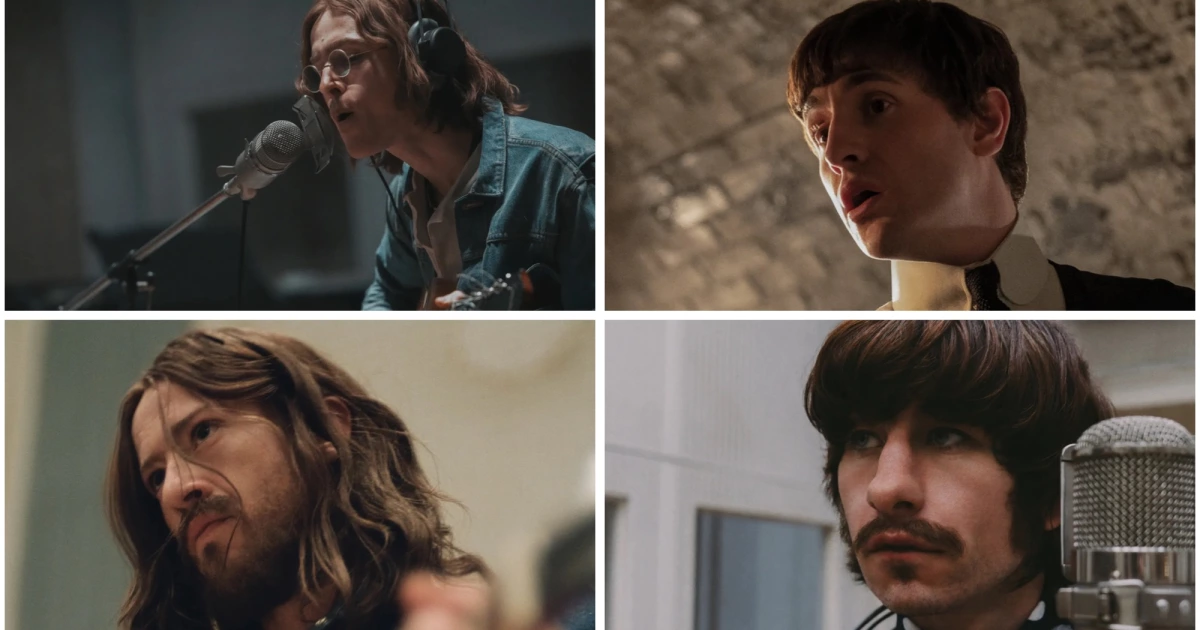
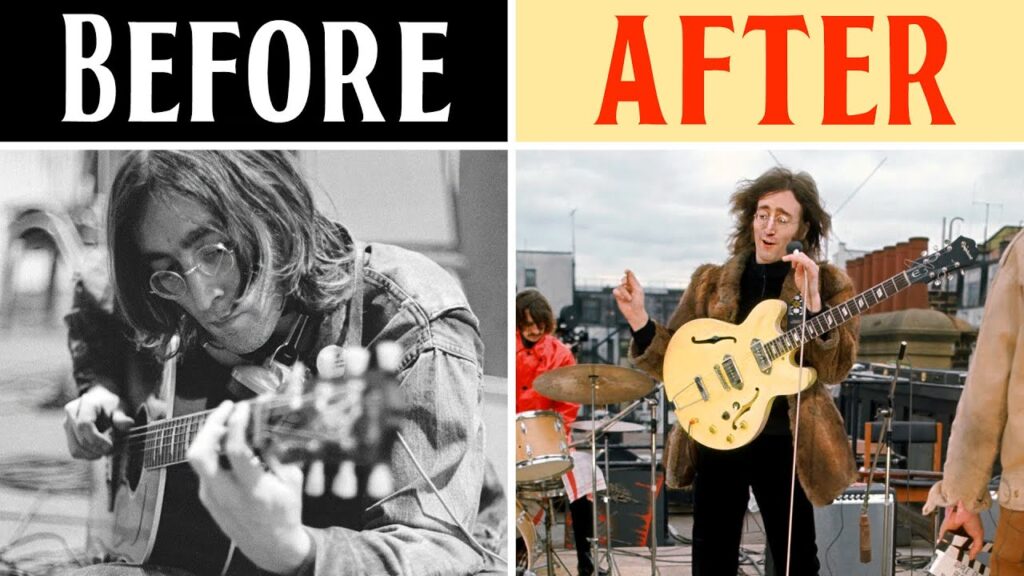
The Trump administration claims that the Alien Enemies Act allows a president to unilaterally define an "invasion" and expel foreign nationals without judicial review.



Deliverability
fromwww.theguardian.com
1 month agoWhich rock group's name was inspired by a sewing machine? The Saturday quiz
Fifteen factual answers covering landmarks, music, biology, sports, history, finance, wildlife, linguistics, celebrities, signage, films, football champions, rat species, and astronomers.
fromArtnet News
2 months agoLong-Unseen Artworks by Original Beatle Stuart Sutcliffe Go on View
Sutcliffe, who was born in Edinburgh but grew up in Liverpool, met John Lennon while they were both studying at the Liverpool College of Art. By early 1960, the pair were living together and Sutcliffe joined Lennon, Paul McCartney, and George Harrison 's band in May. Sutcliffe played acoustic guitar and took on the responsibility of booking gigs, but various accounts suggest he was no more than a competent musician. Sutcliffe's real talents lay in his "marvelous art portfolio," according to Lennon's description.
Arts
fromwww.mercurynews.com
1 month agoWhat to watch: Paul McCartney biopic makes the right call
Neville might not dig up any new revelations or eyebrow-raising moments, but it does elevate the voice of McCartney and relates how some naysayers have discounted his post-Beatles work while others—including John Lennon's son, Julian—consider some of his so-called misfires to be ingenious.
Film
fromArchitectural Digest
1 year agoThe Beatles Behind the Scenes: 19 Photos of Paul McCartney, John Lennon, George Harrison, and Ringo Starr at Home
"I'll Follow the Sun" is "a 'Leaving of Liverpool' song," McCartney explained in his 2021 book The Lyrics. "I'm leaving this rainy northern town for someplace where more is happening." Once they did leave, the band's rise to fame was stratospheric.
Music
NYC LGBT
fromQueerty
1 month agoConnor Storrie strips the pain away, Law Roach drops a wedding bombshell, John Lennon gay rumors - Queerty
A weekend roundup covers gay men's body image struggles, celebrity connections to Mormonism, Connor Storrie's SNL hosting debut, the rise of gay himbos in culture, and Paul McCartney's comments about John Lennon's sexuality.
fromwww.theguardian.com
1 month agoEcho and the Bunnymen Ian McCulloch leaves it to the crowd to sing these timelessly great songs
Things begin promisingly enough with the darkly powerful Going Up and All That Jazz from 1980's Crocodiles, the first of the terrific four-album run which blended psychedelia, post-punk and classic songwriting to turn the Liverpudlians into one of most hallowed bands of the decade.
London music

fromwww.theguardian.com
2 months agoEvery single frame was sweated over': how Becoming Led Zeppelin became the biggest documentary of the year
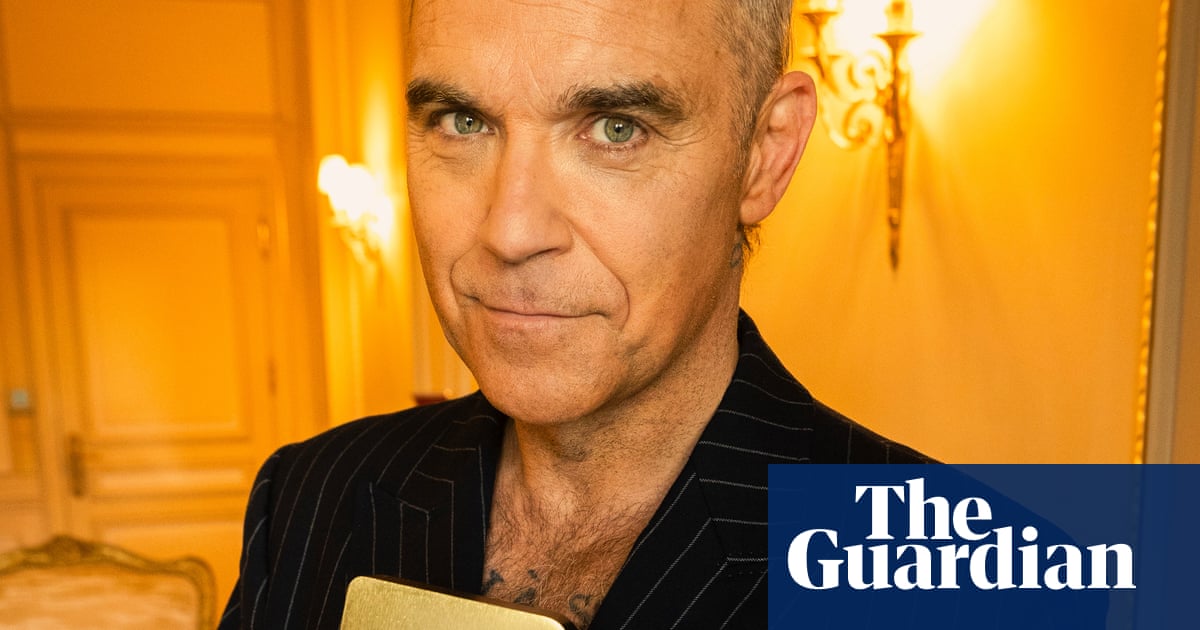
Becoming Led Zeppelin, a film about the British band that dominated the music industry in the 1970s, was the most successful feature documentary at the US box office in 2025, taking over $10m. (Taylor Swift's The Official Release Party of a Showgirl grossed considerably more, with $34m, but as an album-promoting clipshow it is evidently in a different category.) Despite breaking up in 1980 after the death
Film
fromVulture
2 months agoWhen Is a Band Not the Same Band Anymore?
"When I read the fine print, it was 'an experience with REO Speedwagon's music.' It's none of the original members," Fletcher recalls. "I don't want to promote the show unless it's the real thing. I don't know why you would want to see that. It's just a cover band. To me, that's a little bit strange." He adds, with a sigh, "If there are no original members, who cares?"
Music
fromwww.theguardian.com
1 month agoFrom David Bowie to Fleetwood Mac and Eric Clapton, Mike Vernon's ear was invaluable to British pop and blues
Vernon's upbringing in Surrey was typical of many children born in the mid-1940s: he sang in his church choir, listened to the jazz and show tune LPs his parents owned and was bowled over by the arrival of rock'n'roll, responding most strongly to the likes of Little Richard, Fats Domino and Larry Williams.
Music
from48 hills
2 months agoPhil Manzanera shares his life's sounds, from a Cuban Revolution childhood to Roxy Music - 48 hills
Revolución to Roxy begins long before glam, synthesizers, or LP covers became cultural landmarks. Manzanera's earliest memories are shaped by upheaval: childhood in Cuba during the revolution, displacement, and an upbringing that crossed Venezuela, Colombia, England, and beyond. That instability, he says, produced something lasting-understanding. "If you grow up speaking two languages, you are scientifically proven to be more compassionate," Manzanera says. "You have this kind of duality, and one of those is the power to be empathetic. For a musician, that is such a helpful tool."
Music
Music
fromwww.theguardian.com
1 month agoWhat do I play at a party? Oasis's Wonderwall goes down a storm': Alex James's honest playlist
A personal playlist of formative songs showing childhood memories, karaoke favorites, guilty pleasures, and music that inspired learning bass and shaped musical taste.
[ Load more ]