#biomimicry
#biomimicry
[ follow ]
#product-design
fromYanko Design - Modern Industrial Design News
7 months agoDesign
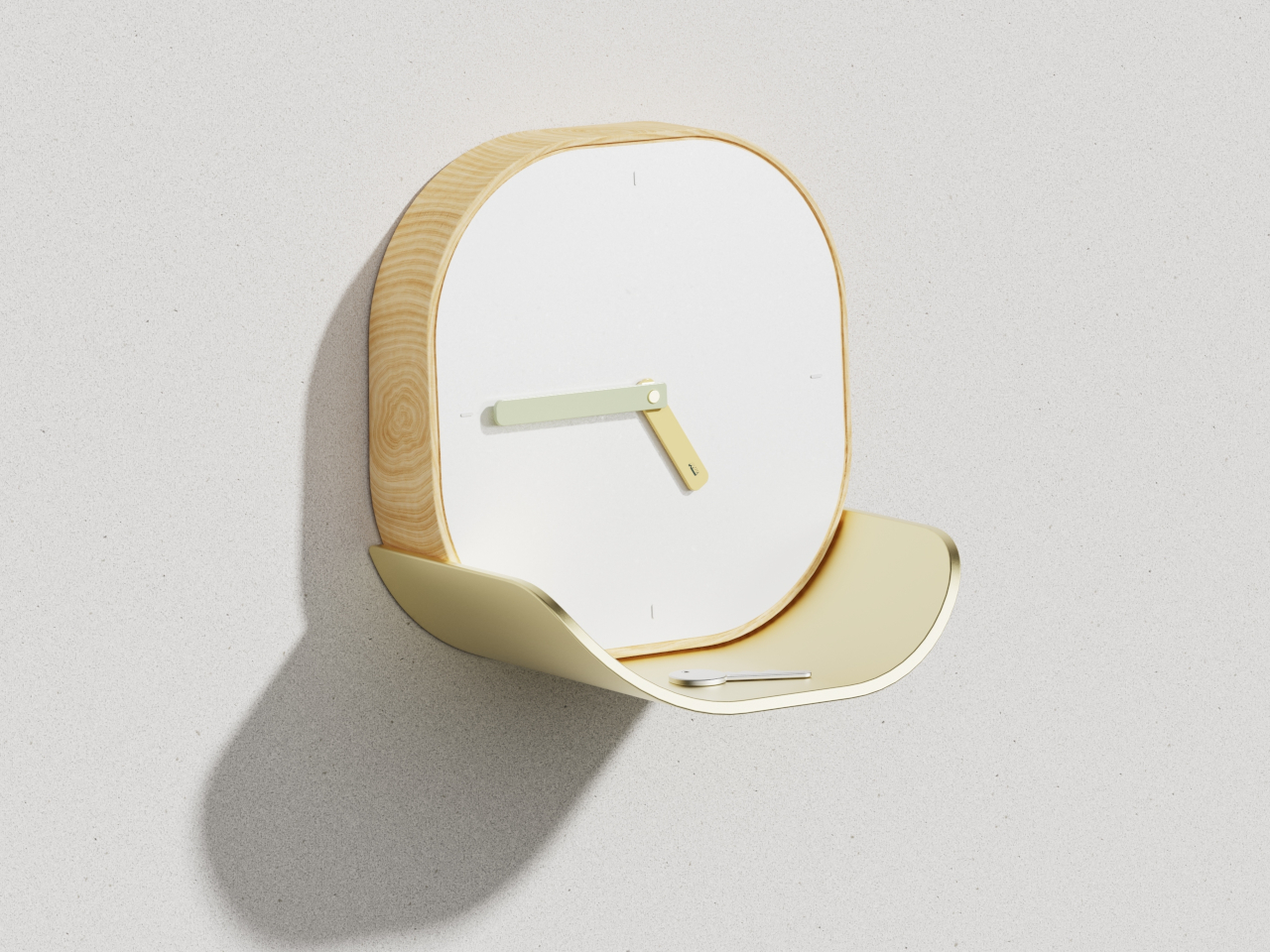
Lotus Clock is a Minimalist Timekeeping Concept with a Space-Saving Twist - Yanko Design
Lotus Clock pairs a minimalist wall clock with a curved tray inspired by lotus leaves to provide functional storage for keys and small essentials.
#furniture-design

Design
fromYanko Design - Modern Industrial Design News
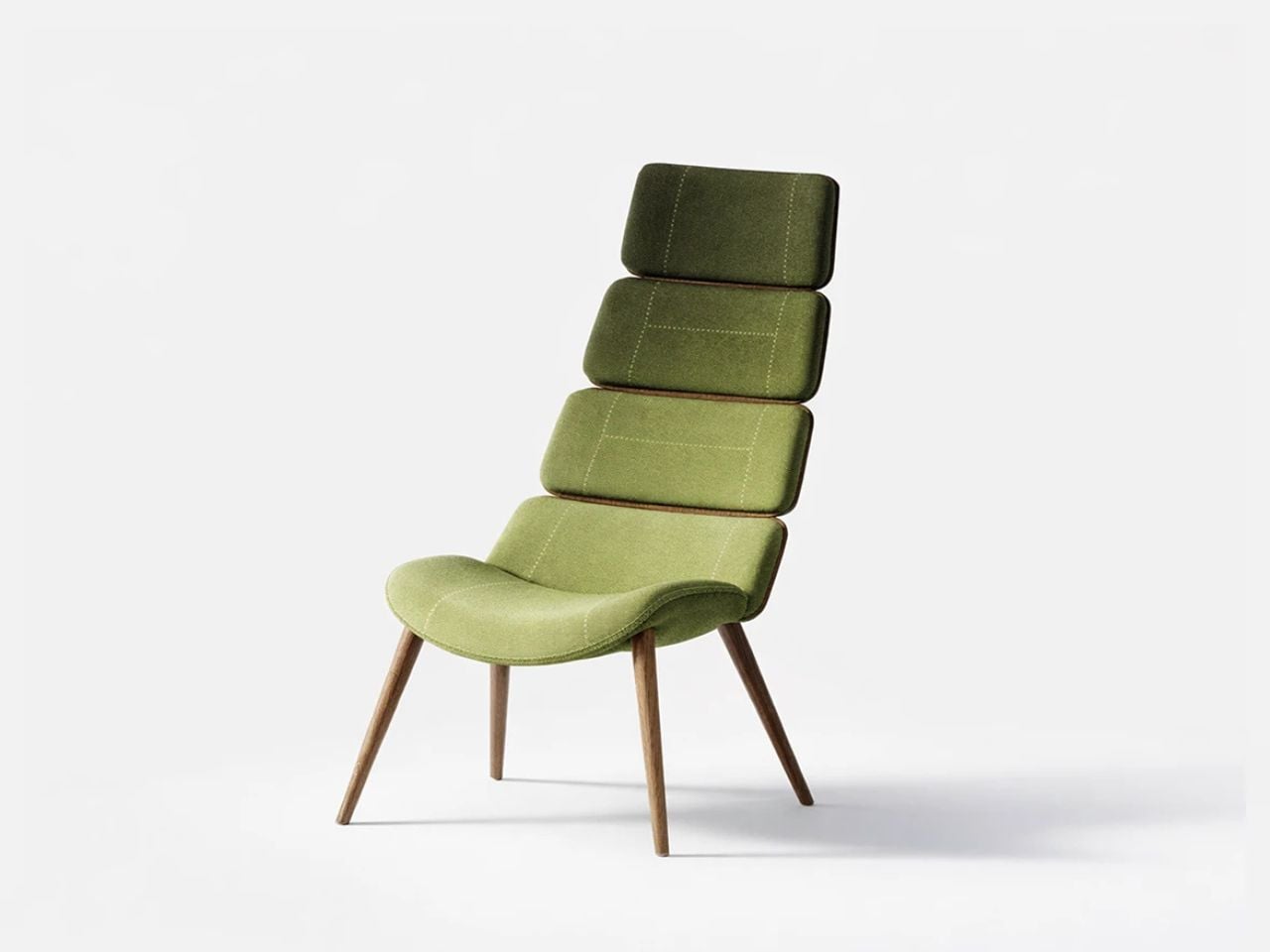
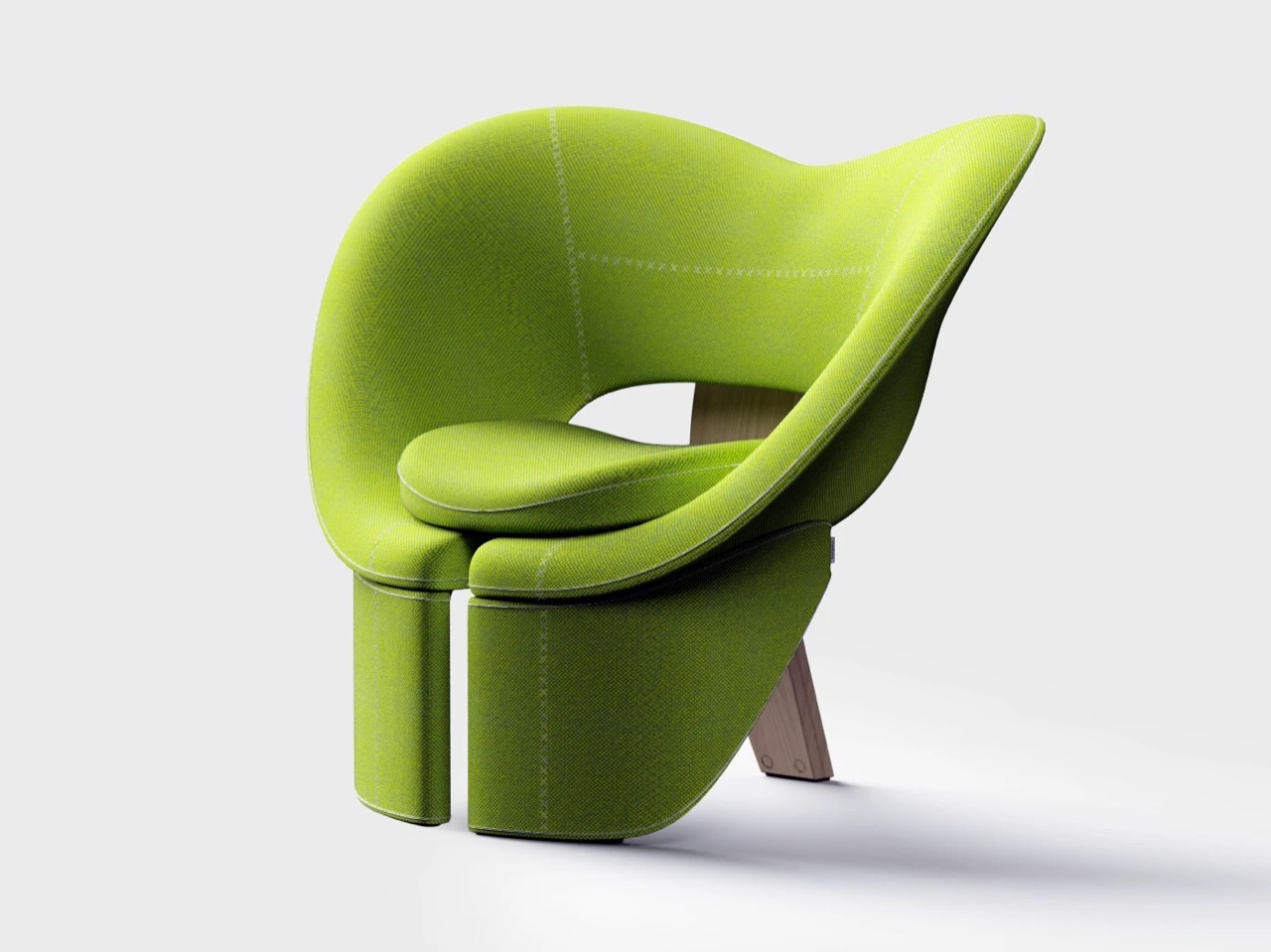
3 days agoThis Chair Turns Fragmented Structure Into Ergonomic Support - Yanko Design
Aerise uses segmented, interconnected support inspired by dragonfly exoskeletons to create lighter, responsive seating while preserving ergonomic comfort and stability.

Design
fromYanko Design - Modern Industrial Design News
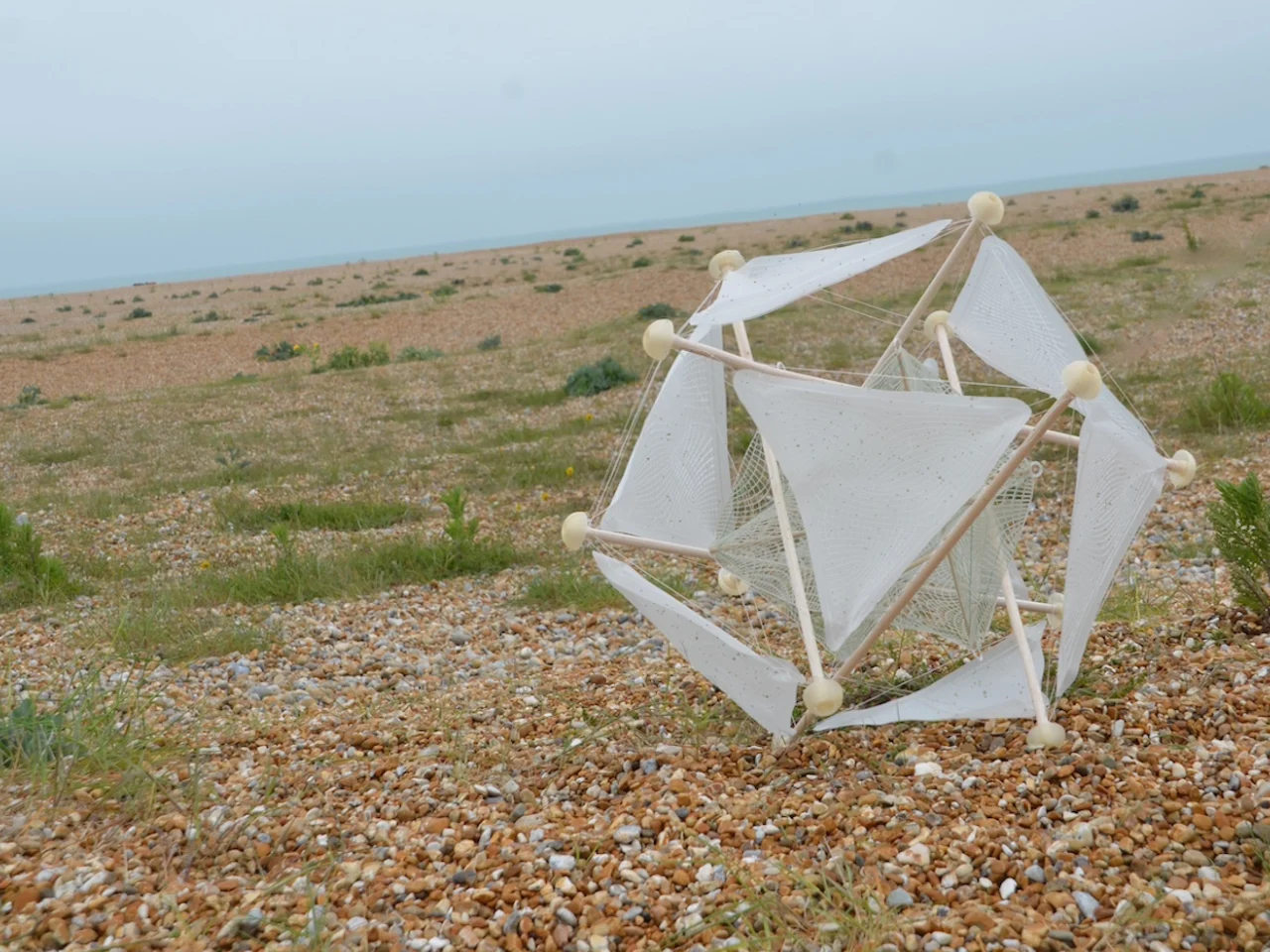
1 month agoBiomimetic Architecture Reaches New Heights With This Bird-of-Paradise Yoga Space - Yanko Design
Thilina Liyanage's architecture translates animal gestures into functional designs, exemplified by the Rifle Bird Yogashala inspired by the Victoria's riflebird's courtship display.
fromYanko Design - Modern Industrial Design News
2 months agoThis seahorse-inspired game controller concept is made for smaller hands - Yanko Design
Game controllers have not changed much in shape since the mid-1990s. They're still two-handed symmetrical slabs built around adult grip dimensions, loaded with enough buttons to pilot a small aircraft. For a 10-year-old just getting into gaming, picking one up for the first time is a bit like being handed a TV remote and told to perform surgery, no sweat.
Gadgets
fromEarth911
3 months agoSustainability In Your Ear: The Net Zero Accelerator's Colin Mangham on Nature's Rules for Building A Sustainable Infrastructure
Since 2019, the accelerator has helped over 100 companies in a six-month program that stands out by putting real technology pilots into actual buildings with dedicated partners, then tracking the results. This approach has led to more than 60 pilot projects in California and beyond, providing the proven results that founders and investors need to move forward. Colin offers a unique mix of experience to this field.
Environment
fromdesignboom | architecture & design magazine
3 months agoocular anatomy informs optical salon's interior in poland
The design team at Znamy Się introduces a glass installation with a ridged, biconvex profile that references the form of the eye's lens. Positioned to interact with natural daylight, the element refracts and distorts incoming sunlight, echoing the optical function of focusing light onto the retina. Through this intervention, light operates not only as illumination but as a shaping device within the space.
Design
fromYanko Design - Modern Industrial Design News
3 months agoThe Most Advanced Camping Pillow of 2026 Looks Like It Grew in a Forest - Yanko Design
Using Voronoi polygon modelling, the design team mapped how pressure from a sleeping head distributes across the pillow's surface, then engineered protrusions and recesses to respond to that data. The front face features raised cellular structures that increase the contact area between pillow and skin, improving comfort while simultaneously channelling airflow to keep things cool. The back face offers four distinct tactile zones depending on orientation, giving users a degree of customisation that is rare in camping gear. Also, a little warning but: trypophobia alert.
Design
Design
fromdesignboom | architecture & design magazine
3 months agosunshades shaped like bird wings can withstand typhoons and harsh weather in seoul
Bird-wing-shaped polyurethane mesh sunshades provide lightweight, typhoon-resistant park shelters that reduce wind load, offer large shaded spans, and withstand humidity, rain, and UV exposure.
fromAeon
3 months agoIn solarpunk cities of the future, tech follows nature's lead | Aeon Essays
In Indra's Net of pearls and jewels, every gem reflects every other, a shimmering image of interdependence. This ancient Vedic metaphor for connection across the cosmos also illuminates what the environmental philosopher Glenn Albrecht first proposed in 2014as 'theSymbiocene': the era after the Anthropocene, in which human technologies take their cues from living systems and work in partnership rather than through dominance.
Philosophy
Design
fromYanko Design - Modern Industrial Design News
3 months agoNader Gammas' Vessels Turns Light Into a Slow, Living Presence - Yanko Design
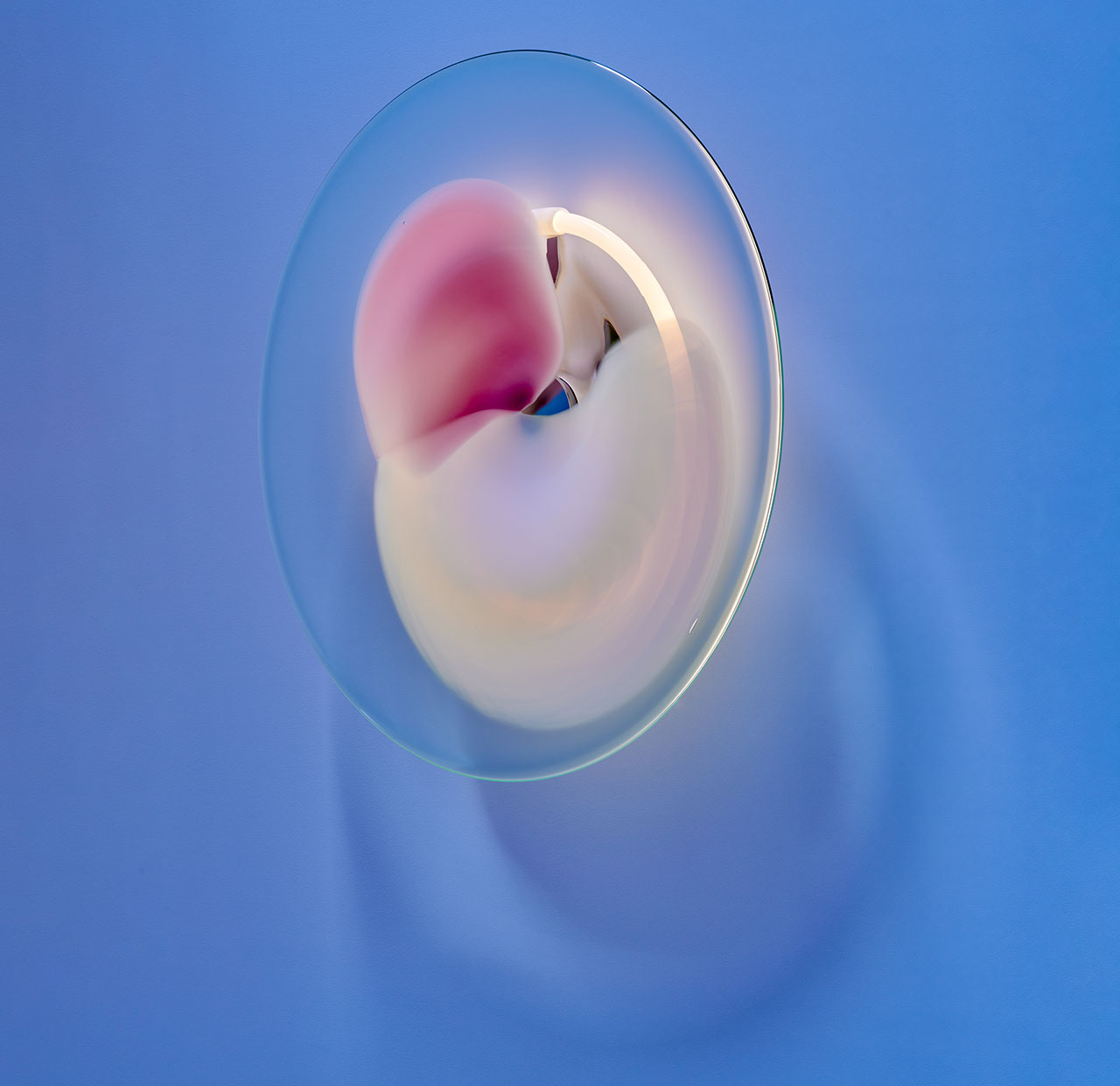
Vessels reimagines architectural lighting as hand-formed ceramic forms inspired by cup fungi that gently cradle and filter light, emphasizing softness, restraint, and singularity.
Design
fromYanko Design - Modern Industrial Design News
3 months ago5 Biomimicry-based Architectural Designs That Copy Nature's Best Ideas - Yanko Design
Design in the Amazon embraces layered, adaptive systems prioritizing resilient materials, natural ventilation, and environmental harmony to create comfortable, low-impact interiors and products.
UX design
fromYanko Design - Modern Industrial Design News
3 months agoAghsan Reimagines the Umbrella Stand as a Quiet Ritual After Rain - Yanko Design
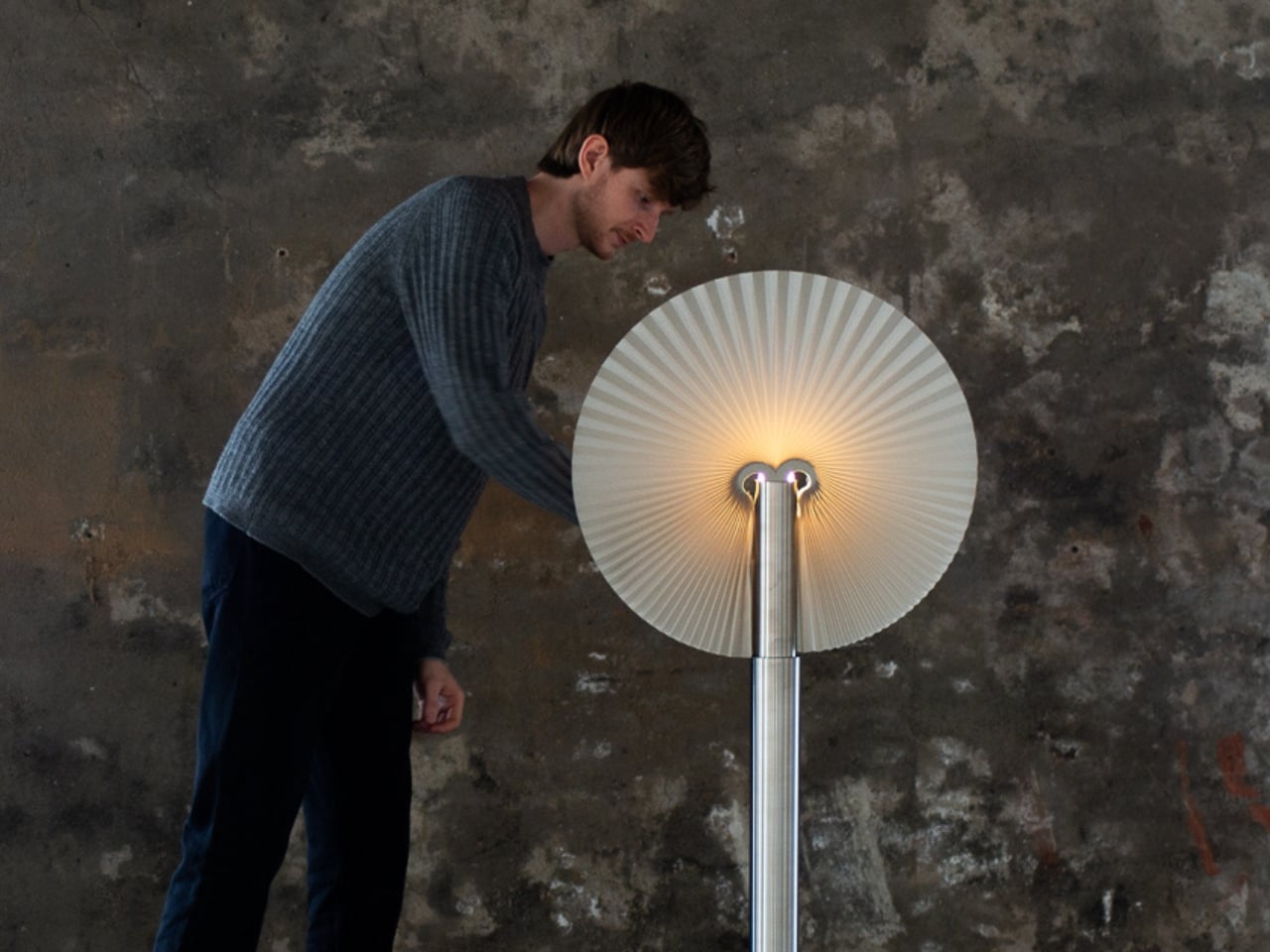
Aghsan is an umbrella stand that organizes umbrellas like branching limbs and converts drip water into a subtle aroma, creating a calm, sensory entryway experience.
Design
fromdesignboom | architecture & design magazine
5 months agocrystalline timber canopy inspired by snow fractals becomes a gathering space in finland
Aalto University's Wood Program installed Kide, a crystalline timber outdoor stage in Kuhmo, offering a lightweight, prefabricated canopy for performances, markets, and civic gatherings.
Design
fromYanko Design - Modern Industrial Design News
5 months agoThis Amazon Rainforest Pavilion Uses Bamboo and Biomimicry to Reconnect Humans With Nature - Yanko Design
An Amazon pavilion uses bamboo, biomimicry, and sensory-focused design to reconnect visitors with the rainforest through sound, light, texture, movement, and low-impact construction.
fromwww.archdaily.com
5 months agoLYM SPACE / PAK Architects
The design inspiration for this project stems from the image of a flower. The most beautiful parts of a flowerits bud and its petalsevoke softness, splendor, and refined aesthetics. Yet behind that beauty lies the slender stem, quietly bearing the entire weight of the structure.
Design
fromBig Think
5 months agoWhat we can learn from butterflies
Ever since I first read Janine Benyus's Biomimicry: Innovation Inspired by Nature, I've descended into a rabbit hole in search of what " intelligence " really means (and who has it). Perhaps that's why I love the name of this newsletter so much. [It's a worm, after all. A humble, indispensable critter buried beneath the soil.] Benyus's central argument is that the "smartest" solutions to human problems already exist in nature. We just need to know where, and how, to look for them. (For instance: wind turbines inspired by humpback whales.)
Science
Design
fromYanko Design - Modern Industrial Design News
7 months agoThis Prosthetic Leg Celebrates Athletic Bodies, Not Hides Them - Yanko Design
Ffate prosthetic leg openly celebrates and enhances prosthetic identity with bold athletic aesthetics and organic functional engineering that improves movement, impact absorption, and user integration.
Design
fromYanko Design - Modern Industrial Design News
7 months ago5 Coral-Inspired Products That Solve Real Problems in Your Home - Yanko Design
Coral-inspired, porous lattice designs maximize surface area and efficiency, enabling lightweight, energy-efficient, and aesthetically striking home products like radiators.
fromDesign Milk
7 months agoEnsemble Is a Tribute to Nature That's Sculpted Into Seating
Nature is often the go-to inspiration for design, but award-winning French designer and De La Espada Atelier take that idea and make it strikingly literal. Their limited-edition Ensemble collection doesn't just nod to the outdoors but borrows directly from its forms and silhouettes, reinterpreting them in wood, stone, and textiles. The result is the next best thing to being in the forest, only brought indoors.
Design
Cars
fromYanko Design - Modern Industrial Design News
9 months agoSpider-Like Off-Road Vehicle by French Architect Now in Production - Yanko Design
The Swincar is a spider-inspired electric off-road vehicle with articulated, pendulum-suspended independent wheels that maintain traction across extreme terrain and is now in commercial production.
fromDesign Milk
9 months agoProject ARA Harnesses Power of Air + Biomimicry for Packaging
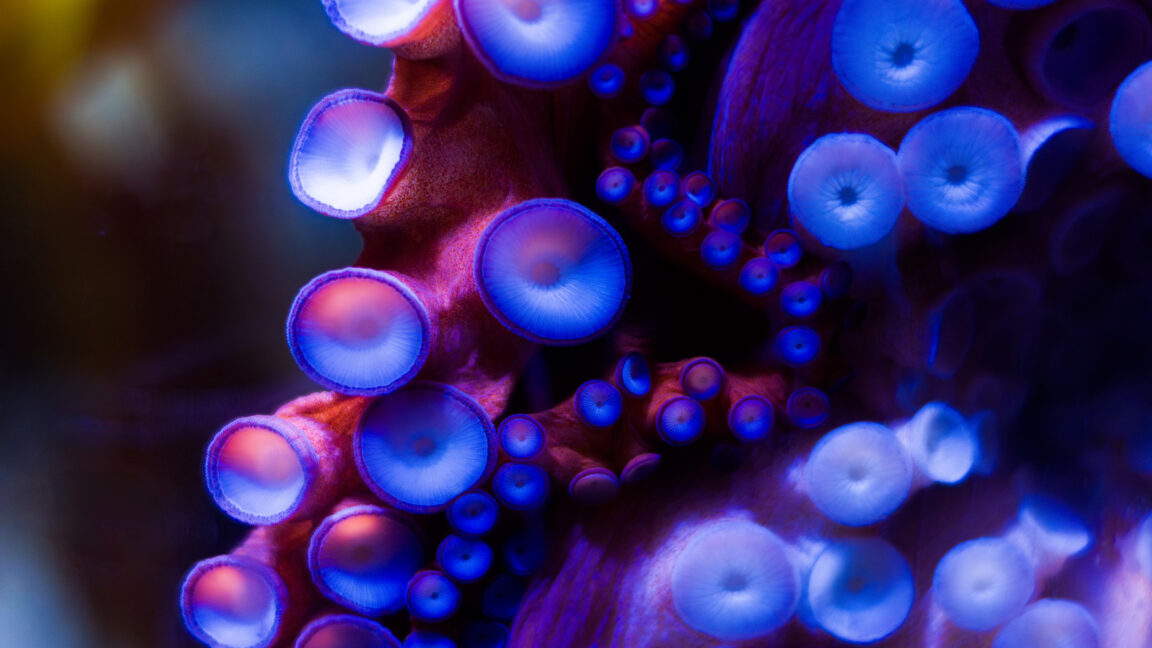
"Inspired by nature's microstructures, this project journeys from the microscopic to the monumental. Structured into three chapters, the narrative explores a design methodology grounded in research, experimentation, and applied imagination."
Design
[ Load more ]