#bitbucket
#bitbucket
[ follow ]
#github #cicd #devops #developer-tools #software-development #automation #ai #copilot #devsecops #github-copilot









#github-copilot

Node JS
fromgithub.com
1 month agozahhar/ghcp-dashboard: Dashboard with Github Copilot Metrics
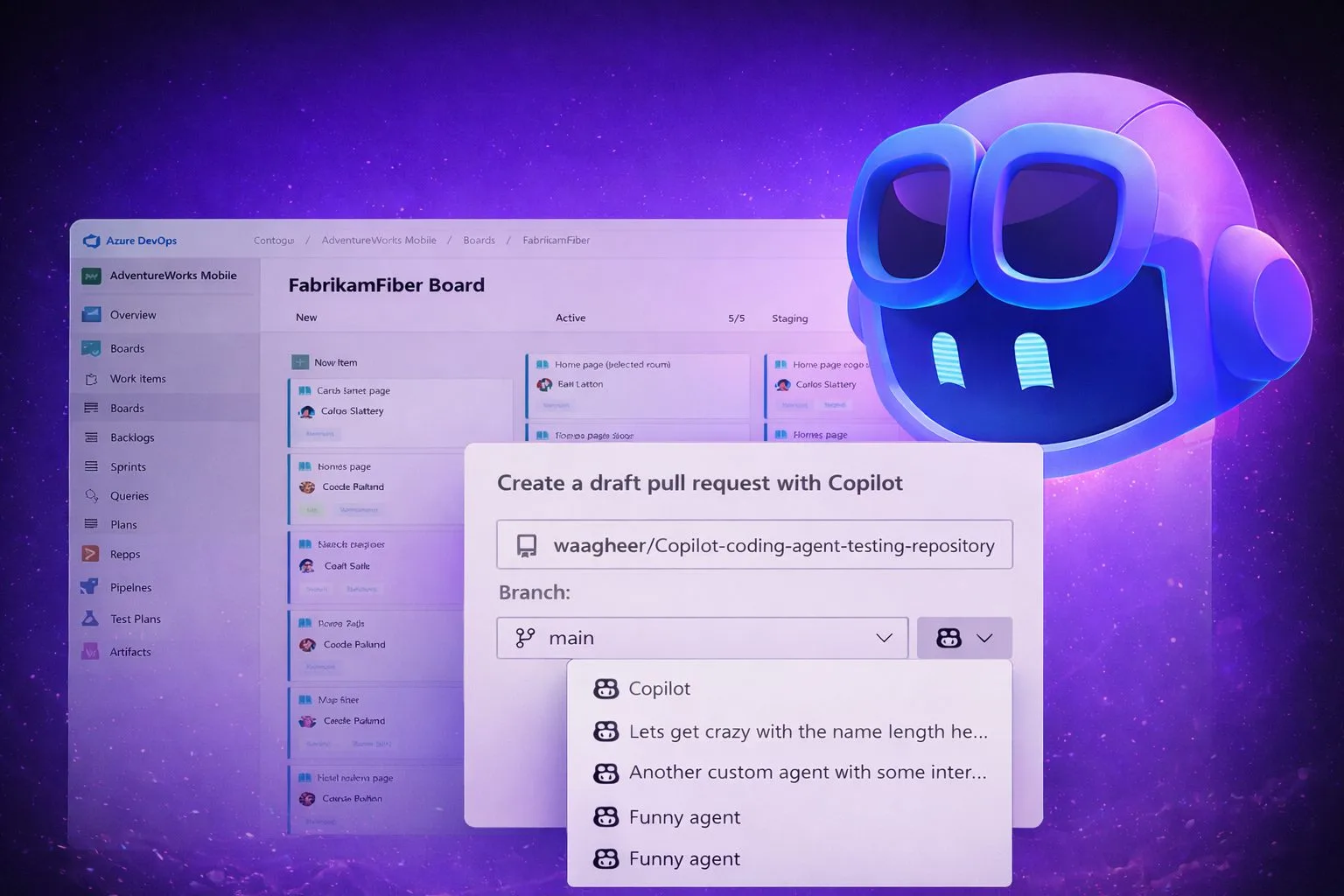
A lightweight Node.js dashboard aggregates GitHub Copilot usage metrics via REST API to display team adoption patterns, user engagement, and model/IDE preferences through a browser-based leaderboard interface.
Information security
fromDevOps.com
1 month agoHarness Extends AI Security Reach Across Entire DevOps Workflow - DevOps.com
Harness launched AI security capabilities including automatic code securing during AI-assisted development and a module discovering, testing, and protecting AI components within applications.


fromAzure DevOps Blog
2 months agoCondensed views on Kanban and Sprint boards - Azure DevOps Blog
One of the challenges teams face when working with large boards or displaying multiple fields on work item cards is limited screen space. This became even more noticeable with the rollout of the New Boards hub, which introduced additional spacing and padding for improved readability. While this enhances clarity, it can also reduce the number of cards visible at once.
UX design
fromTechzine Global
1 month agoGo developer questions effectiveness of Dependabot
Dependabot sounded the alarm on a large scale. Thousands of repositories automatically received pull requests and warnings, including a high vulnerability score and signals about possible compatibility issues. According to Valsorda, this shows that the tool mainly checks whether a dependency is present, without analyzing whether the vulnerable code is actually accessible within a project.
Information security
Software development
fromGitHub
2 months agoGitHub - antonreshetov/bumpy: Zero-config, Git-powered versioning for monorepos
Bumpy provides zero-config, Git-driven versioning and changelog generation for monorepos, using workspace detection, Conventional Commits, tag-based boundaries, and dry-run support.
fromDevOps.com
2 months agoThe Problem's Not Your Monitoring Tools, It's Your Workflow - DevOps.com
The real cost of poor observability isn't just downtime; it's lost trust, wasted engineering hours, and the strain of constant firefighting. But most teams are still working across fragmented monitoring tools, juggling endless alerts, dashboards, and escalation systems that barely talk to one another, which acts like chaos disguised as control. The result is alert storms without context, slow incident response times, and engineers burned out from reacting instead of improving.
DevOps
fromDevOps.com
2 months agoBot-Driven Development: Redefining DevOps Workflow - DevOps.com
Industry professionals are realizing what's coming next, and it's well captured in a recent LinkedIn thread that says AI is moving on from being just a helper to a full-fledged co-developer - generating code, automating testing, managing whole workflows and even taking charge of every part of the CI/CD pipeline. Put simply, AI is transforming DevOps into a living ecosystem, one driven by close collaboration between human judgment and machine intelligence.
Software development
fromDbmaestro
5 years ago[VIDEO] End-to-End CI/CD with GitLab and DBmaestro
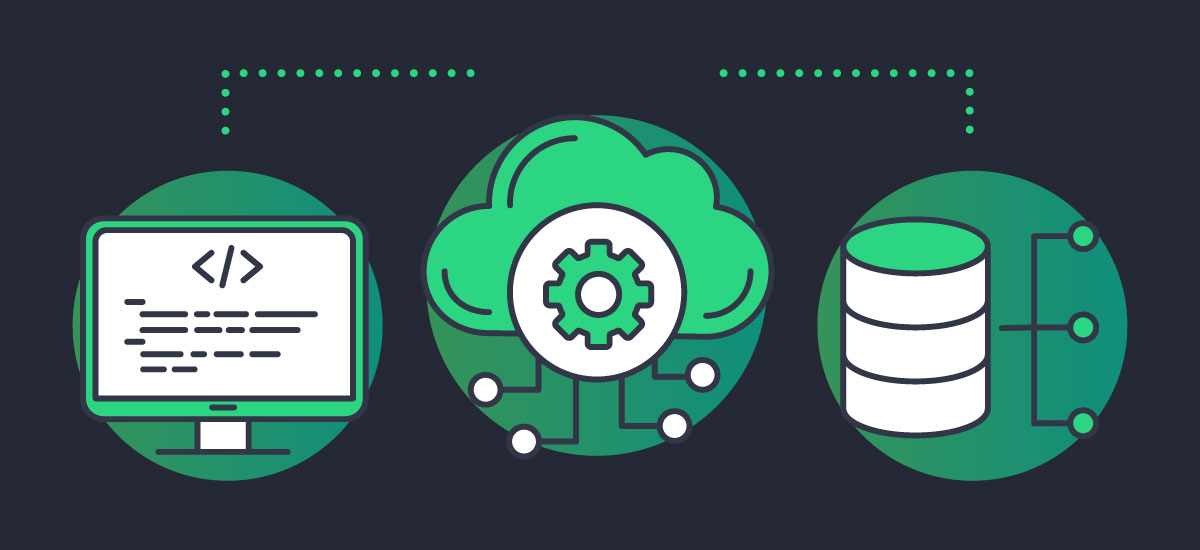
DBmaestro is a database release automation solution that can blend the database delivery process seamlessly into your current DevOps ecosystem with minimal fuss, and without complex installation or maintenance. Its handy database pipeline builder allows you to package, verify, and deploy, and gives you the ability to pre-run the next release in a provisional environment to detect errors early. You get a zero-friction pipeline, which is often not the case with database delivery process.
Software development
fromInfoQ
2 months agoGetting Feedback from Test-Driven Development and Testing in Production
Hast mentioned that they trust their unit tests and integration tests individually, and all of them together as a whole. They have no end-to-end tests: We achieved this by using good separation of concerns, modularity, abstraction, low coupling, and high cohesion. These mechanisms go hand in hand with TDD and pair programming. The result is a better domain-driven design with high code quality. Previously, they had more HTTP application integration tests that tested the whole app, but they have moved away from this (or just have some happy cases) to more focused tests that have shorter feedback loops, Hast mentioned.
Software development
[ Load more ]