#black-excellence
#black-excellence
[ follow ]
#black-history-month #civil-rights #black-history #systemic-inequality #historical-erasure #higher-education
Higher education
fromFortune
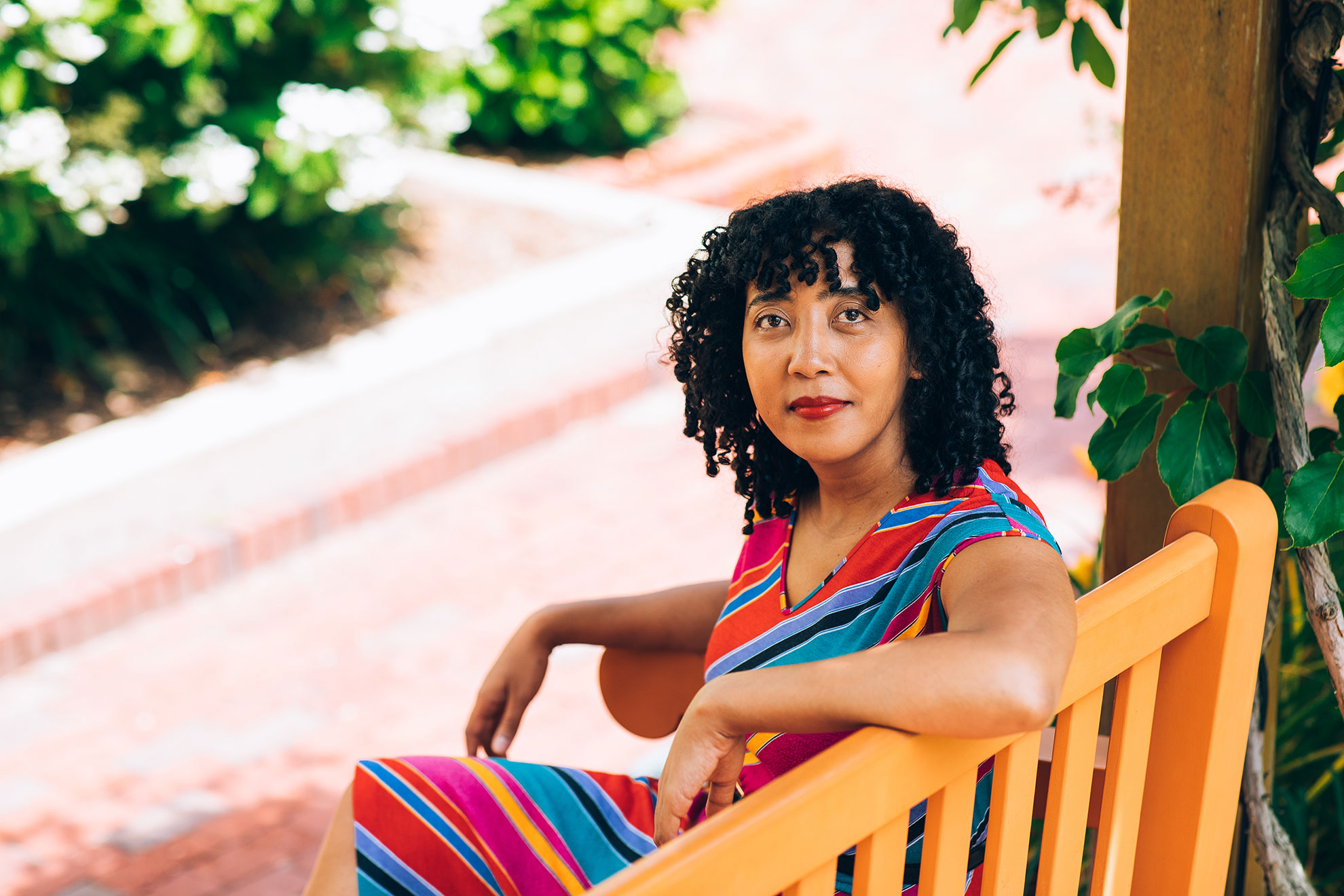
2 days agoMacKenzie Scott is bypassing the Ivy League and rewriting the $79 billion higher ed playbook by giving to HBCUs and community colleges | Fortune
Americans donated $78.8 billion to colleges in 2025, with significant disparities in funding between Ivy League schools and HBCUs.
Social justice
fromCN Traveller
1 month ago"Black excellence is everywhere, Black connection is not": Inside the event designed to connect, unite and inspire Black thinkers
The Diaspora Salon in Marrakech convenes African and diaspora intellectuals, artists, and entrepreneurs to discuss culture, power, and economic futures across multiple disciplines.
LA food
fromKqed
1 month agoSharing the Stories of Black Altadena's Recovery and Resilience | KQED
Radio host James Farr amplifies voices of Altadena's Black fire survivors through ongoing community journalism, documenting their journey from disaster response through displacement and rebuilding decisions.
US news
fromwww.npr.org
1 month agoHomegoing service will celebrate civil rights leader Jesse Jackson in Chicago
Rev. Jesse Jackson's public memorial service in Chicago on Friday will be attended by former presidents Obama, Biden, and Clinton, featuring performances by Jennifer Hudson and gospel singers, celebrating his decades of civil rights activism.
fromwww.mediaite.com
1 month agoObama Honors Jesse Jackson at His Funeral: Rose Above Despair and Kept That Righteous Flame Alive'
When the optimism of the early movement had begun to fade, and leadership had begun to fracture, and when the country seemed to have grown bored, gotten weary of the idea of justice and equality, and moved on to other concerns, Obama said, Reverend Jackson rose above despair, and kept that righteous flame alive.
Left-wing politics
Social justice
fromFortune
1 month agoAI is the most important civil and human rights issue of our time - HBCUs need to be in the driver's seat | Fortune
AI systems currently reproduce existing inequalities across hiring, healthcare, finance, and criminal justice, requiring diverse collaboration to build equitable technology that benefits all humanity.
fromSilicon Canals
2 months agoQuote of the day by Michelle Obama: "You should never view your challenges as a disadvantage. Your experience facing and overcoming adversity is actually one of your biggest advantages" - Silicon Canals
Not so long ago,I found myself staring at my laptop screen, unemployed for the third month straight. The media industry cuts had claimed another victim, and that victim was me. At first, I told myself it was just a temporary setback. But as rejection emails piled up and freelance gigs barely covered my rent, I started wondering if this was less of a speed bump and more of a dead end.
Careers
US politics
fromInside Higher Ed | Higher Education News, Events and Jobs
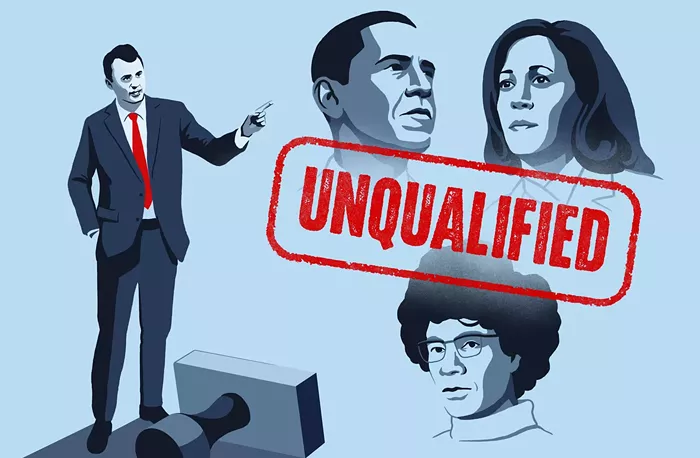
2 months agoJay-Z, Kamala Harris and Professors of Color Aren't DEI Hires
Jay-Z led efforts to diversify Super Bowl halftime performers, increasing representation and ratings, while opponents dismiss such initiatives as 'DEI hires'.
Education
fromTruthout
1 month agoWe Must Defend Black History - It Fuels Freedom Dreams of Students Under Attack
Teachers must transform curricula to eliminate biases and systems of domination while protecting vulnerable students, particularly Black students and students of color, from contemporary educational injustices.





fromMetro Silicon Valley | Silicon Valley's Leading Weekly
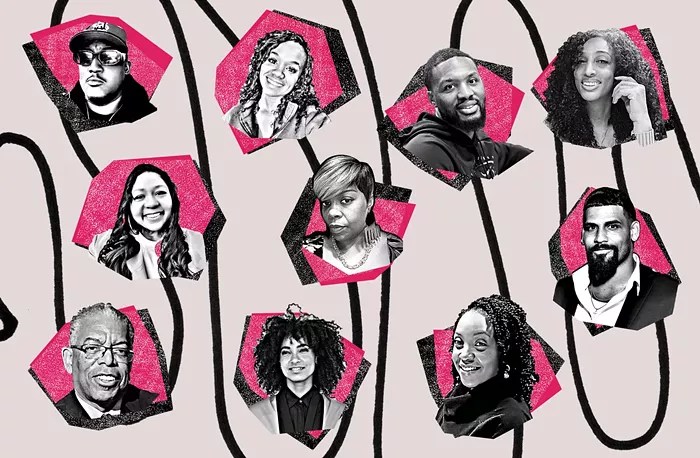
1 month agoUnsung Heroines: 35 Women Who Changed the Bay Area
In a region that prides itself on progress, women who built institutions, changed laws, fought segregation, defended bodily autonomy and reshaped culture have largely vanished from the public record. Their names are missing from monuments, street signs, statues and textbooks. Their work survives, but their stories do not.
History
fromLGBTQ Nation
1 month agoThese oft-overlooked icons show why Black queer history still matters (now more than ever) - LGBTQ Nation
Black History Month is a time to acknowledge and celebrate the achievements and courageous acts of people of African descent in the United States and around the world. This year, Black History month celebrates its 100th anniversary. And yet, Black History Month has failed to fully acknowledge or celebrate the contributions of Black LGBTQ+ people. Just as Pride Month remains overwhelmingly white in its representation, Black History Month continues to be deeply homophobic in its omissions.
LGBT
fromThe Oaklandside
1 month agoCelebrating Betty Reid Soskin, civil rights storyteller and park ranger
Betty leaves behind a powerful legacy for all of us and certainly within the National Park Service. Her thoughtful, introspective musings about the Civil Rights movement and the women's movement and how they intersected are some of the unique moments that I will always treasure...Thanks to Betty we've learned that we can hold multiple conflicting truths at the same time.
East Bay (California)
Social justice
fromwww.theguardian.com
1 month agoWho decides what's news these days? For all the diversity talk, it certainly isn't Black journalists | Omega Douglas
British journalism fails to reflect societal diversity, with Black journalists significantly underrepresented in major awards and newsrooms, despite ethical requirements for inclusive representation.
Relationships
fromFortune
2 months agoMichelle Obama says friendships are 'as important as the degree that you got in college,' your job title, and your salary | Fortune
Choosing and cultivating early-career friendships strategically accelerates professional success by providing support, honest feedback, opportunities, and resilience.
fromBusiness Insider
2 months agoHow Oprah Winfrey has turned her weight-loss journey into a business
Oprah Winfrey has spent years turning her private health journey into a public conversation - and, at times, a lucrative business. The billionaire, real-estate mogul, talk-show host, journalist, actor, and producer has just released her 12th book: "Enough: Your Health, Your Weight, and What It's Like To Be Free." The book, which she co-authored with Dr. Ania M. Jastreboff, a doctor and professor at Yale's School of Medicine, dives into the role of GLP-1 drugs to facilitate weight loss.
Health
Film
fromLGBTQ Nation
2 months agoThese 10 essential movies about Black people with HIV will open your heart & mind - LGBTQ Nation
On-screen representation of people living with HIV remains extremely limited across platforms, with especially poor representation of Black people and few meaningful portrayals.
Mindfulness
fromSilicon Canals
2 months agoQuote of the day by Oprah: "Be thankful for what you have; you'll end up having more. If you concentrate on what you don't have, you will never, ever have enough" - Silicon Canals
Regular gratitude practice shifts mindset from scarcity to abundance, reduces stress, reveals opportunities, and improves relationships and wellbeing.
fromFortune
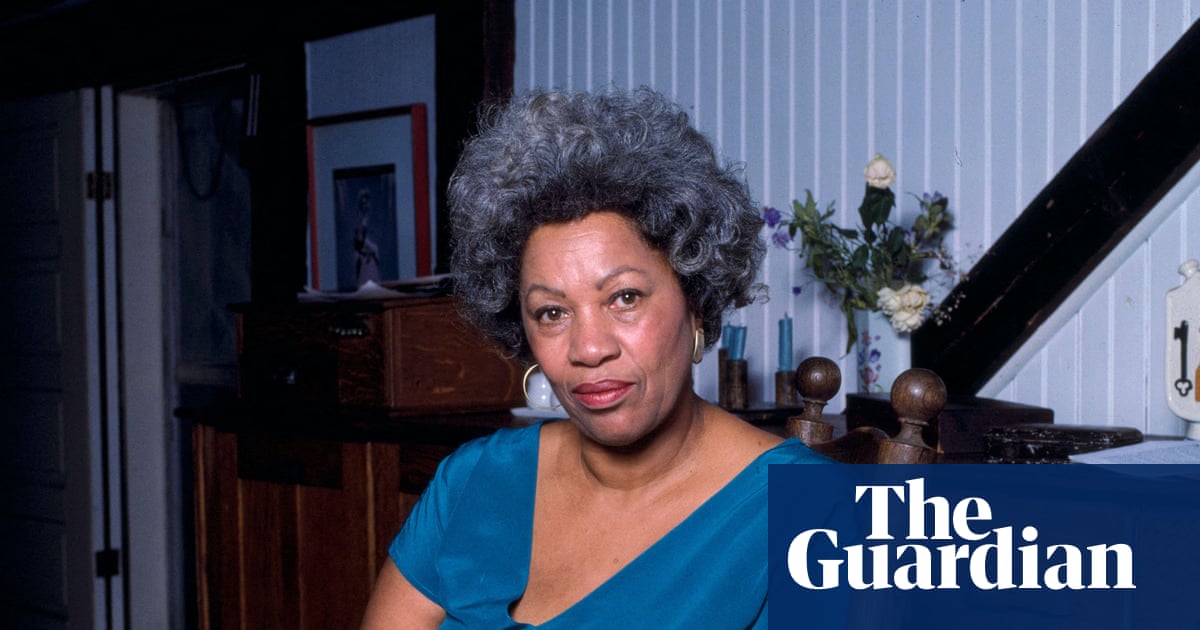
1 month agoMacKenzie Scott's close relationship with Toni Morrison long before Amazon put her on the path give more than $1 billion to HBCUs | Fortune
This writer that I admired so much also turned out to be such a gifted and devoted teacher. She has given me a real example of a life of passionate devotion to more than one calling.
Miscellaneous
SF LGBT
fromSan Francisco Bay Times
1 month agoFourth Annual Honoring LGBTQ+ Bay Area Black Women Leaders & Allies - San Francisco Bay Times
The San Francisco Bay Times and Oakland LGBTQ Center will host the fourth annual Honoring LGBTQ+ Bay Area Black Women Leaders & Allies awards ceremony on February 26, 2026, at The White Horse Inn in Oakland, recognizing fifteen individuals across multiple fields and generations.
fromenglish.elpais.com
2 months agoMichelle Obama: her inimitable post-White House style in 10 looks
When Michelle Obama ceased to be the First Lady of the United States, the fashion press, which had been watching her closely for eight years, began to notice two new phenomena: she no longer straightened her hair and her dress style became increasingly relaxed. Although she continued to convey a message of aspirational power, she no longer shied away from daring fashion choices that she would never have dared to make before.
Fashion & style
fromBlack Enterprise
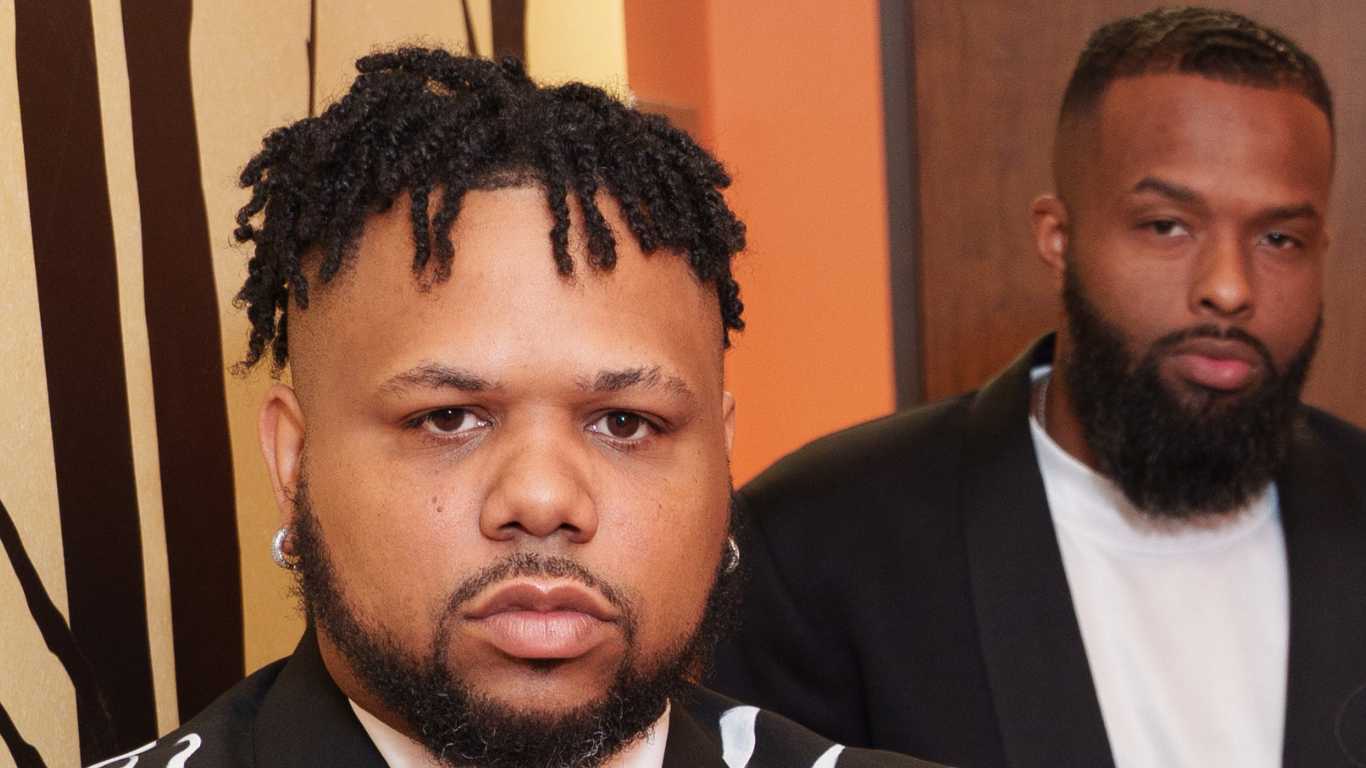
3 months agoAlmost 40% Of Black Professionals Don't Know How To Stand Out In Today's Job Market - Check Out Tips To Help
As U.S. job growth in 2025 reached its lowest point since the pandemic in 2020, Blacks have been hit extra hard. Their discharges stem from rollbacks in the federal government, DEI pullbacks, and large layoffs in areas such as education, health services and social assistance. Now, nearly two-thirds of Blacks in the U.S. are looking for a new job in 2026. Yet, 75% feel unprepared for the job search ahead.
Careers
Music
fromBlavity News & Entertainment
1 month agoHBCUs Celebrate Michael Jackson's Legacy In New 'Michael' Black History Performances - Blavity
Three HBCUs performed distinct interpretations of Michael Jackson's 'Don't Stop 'til You Get Enough' for Lionsgate's Black History Month celebration honoring Jackson's cultural influence.
fromwww.mercurynews.com
1 month agoThis is for Ms. Betty': Betty Reid Soskin, author, activist, and park ranger, celebrated
Thanks to Betty, we have learned to lean into and seek out the hidden stories that go beyond the popular narrative. Before taking on that job, Soskin helped influence the stories told there as a field representative to two congressmembers, ensuring the museum also reflected the lived experiences of Black and Asian Americans at the time.
East Bay (California)
Social justice
fromenglish.elpais.com
1 month agoTa-Nehisi Coates, writer: Obama never understood how deep-seated racism is in the country that elected him'
Ta-Nehisi Coates uses on-the-ground reporting across Africa, the American South, and Palestine to expose how official narratives obscure truth and marginalize voices.
fromThe Atlantic
1 month agoThe Trump Administration Can't Kill Black History Month
She remembers walking with her big brothers down a sidewalk fractured by the roots of old oak trees while children played hopscotch on the playground. She remembers going outside and clapping erasers together so that plumes of chalk dust rose above her head. And she remembers being told that she was attending a school that many white parents had taken their children out of just a few years earlier because they didn't want them sitting in class with Negroes.
History
fromAdvocate.com
2 months ago6 Black activists who changed the HIV/AIDS response in America
By the mid-1980s, the AIDS epidemic had completely gripped the nation. Its victims, primarily queer men, were dying by the thousands. Fear and misinformation reigned supreme, and our government refused to respond to the crisis. Reverend Charles Angel, a community leader and activist who was living with HIV himself, recognized that queer men of color faced additional disparities due to cultural norms and societal inequities.
Public health
fromInside Higher Ed | Higher Education News, Events and Jobs
2 months agoHBCU Experts Look to Solve Leadership Churn
Earlier this month, Morris Brown College's Board of Trustees abruptly laid off the historically Black college's president, Kevin James, after seven years at the helm. James took to social media and decried the board's actions, noting that the college regained accreditation during his tenure and the institution couldn't afford instability with an upcoming meeting with the accreditor. A week later, the board announced his reinstatement, even as allegations against James surfaced in local media.
Higher education
fromNature
1 month agoHistorically Black US universities chase top research ranking
One year ago this month, Howard University in Washington DC landed the coveted title of an R1 research university - the highest US research designation conferred by the Carnegie Classification of Institutions of Higher Education. The achievement - attained when a university spends at least US$50 million on research and awards at least 70 research doctoral degrees each year - is making Howard attractive to funders, faculty members and students, says its interim president, Wayne Frederick.
Higher education
fromwww.theguardian.com
1 month agoBlack History Month was never given' to Black people, thus, it can never be taken from us
If you know anything about the basic origins of Black History Month then you know that we weren't given' anything. The question of who owns and authorizes Black History Month holds particular relevance now, in its centennial year, and at a time when efforts to celebrate, preserve, and acknowledge Black people's past in this country are under attack.
History
Social justice
fromNonprofit Quarterly | Civic News. Empowering Nonprofits. Advancing Justice.
1 month agoBlack History Is Economic History: A Charge Toward Black Futures | Nonprofit Quarterly | Civic News. Empowering Nonprofits. Advancing Justice.
American prosperity was built on racialized capitalism through slavery and systematic exclusion, creating a persistent racial wealth divide that continues to deny Black communities economic opportunity and democratic participation.
fromHarvard Gazette
2 months agoWhat do Whoopi Goldberg, Tony Kushner, and Yo-Yo Ma have in common? - Harvard Gazette
Actor BD Wong, who originated Song Liling on Broadway in 1988, visited Harvard for two days in 2020 as part of the Office for the Arts' Learning from Performers program. Wong did a master class with students, spoke to an English class, and attended an "M. Butterfly" rehearsal. He ended up helping Cheng workshop the first love scene between the two main characters.
Arts
US politics
fromFortune
2 months agoMichelle Obama clarifies her famous 'go high' motto: it's not about anger or pain, but more about putting a safety lock on a gun | Fortune
Respond to cruelty with dignity and restraint, prioritizing outcome-directed choices and thoughtful leadership over reactive public displays.
fromBuzzFeed
2 months agoI Bet You Didn't Know These 19 Famous People Have Black Heritage
To be Black in the U.S. has such an expansive meaning that traces back to Europeans deciding who got to be "white." While some people, like the Italians and Irish, earned their way into "white-ness," those with even a drop of Black in their heritage were relegated to the lower rungs of the racial ladder.
Social justice
US politics
fromIrish Independent
2 months agoBarack and Michelle Obama say Alex Pretti's shooting in Minneapolis shows core American values 'under assault'
US immigration agents shot and killed US citizen Alex Pretti in Minneapolis, with bystander videos contradicting federal accounts and prompting protests and political condemnation.
Social justice
fromInside Higher Ed | Higher Education News, Events and Jobs
1 month ago'Too Educated': Unacceptable Disqualifier for Black Women
Jackson's city council confirmed RaShall Brackney, a highly credentialed Black woman with a Ph.D. and 35+ years of law enforcement experience, as police chief despite one council member's objection based on her education and charm.
fromInside Higher Ed | Higher Education News, Events and Jobs
2 months agoWe Must Teach Young Americans That Associating Black People With Apes Is Racist
U.S. president Donald Trump shared a racist video on his Truth Social account in which former American president and first lady Barack and Michelle Obama were depicted as apes. I was unsurprised, yet nonetheless disgusted. U.S. senator Jon Ossoff also found the video unacceptable. He said during a rally in Atlanta that Donald Trump was "posting about the Obamas like a Klansman."
US politics
fromFast Company
2 months agoCan 2026 finally be the year Black-owned businesses are covered for their accomplishments, not just DEI?
What should be stories about innovation, resilience, market disruption, and leadership have increasingly been flattened into a single, repetitive narrative: DEI. Not the company's business model. Not the founder's vision or entrepreneur journey. Not the problem being solved or the customers being served. Just DEI. And it's often framed through the lens of rollbacks, political backlash, or cultural controversy.
Social justice
fromHigh Country News
1 month agoHow community organizers are amplifying Oregon's Black music history - High Country News
When Norman Sylvester was 12, long before he garnered the nickname "The Boogie Cat" or shared a stage with B.B. King, he boarded a train in Louisiana and headed west, toward the distant city of Portland, Oregon. He'd lived all his life in the rural South, eating wild muscadine grapes from his family's farm, fishing in the bayou and churning butter at the kitchen table to the tune of his grandmother's gospel singing.
Social justice
Social justice
fromThe Nation
1 month agoIn the Trump Era, Celebrating Black History Month Feels Radical Again
Corporate brands significantly reduced Black History Month marketing and social media engagement in 2025 compared to their performative displays following George Floyd's 2020 murder, reflecting broader retreat from racial equity commitments.
[ Load more ]