Germany politics
fromThe Local Germany
1 day agoToday in Germany: A roundup of the latest news on Thursday
Germany's government approval rating drops to 15%, the lowest ever, amid rising discontent and political shifts.
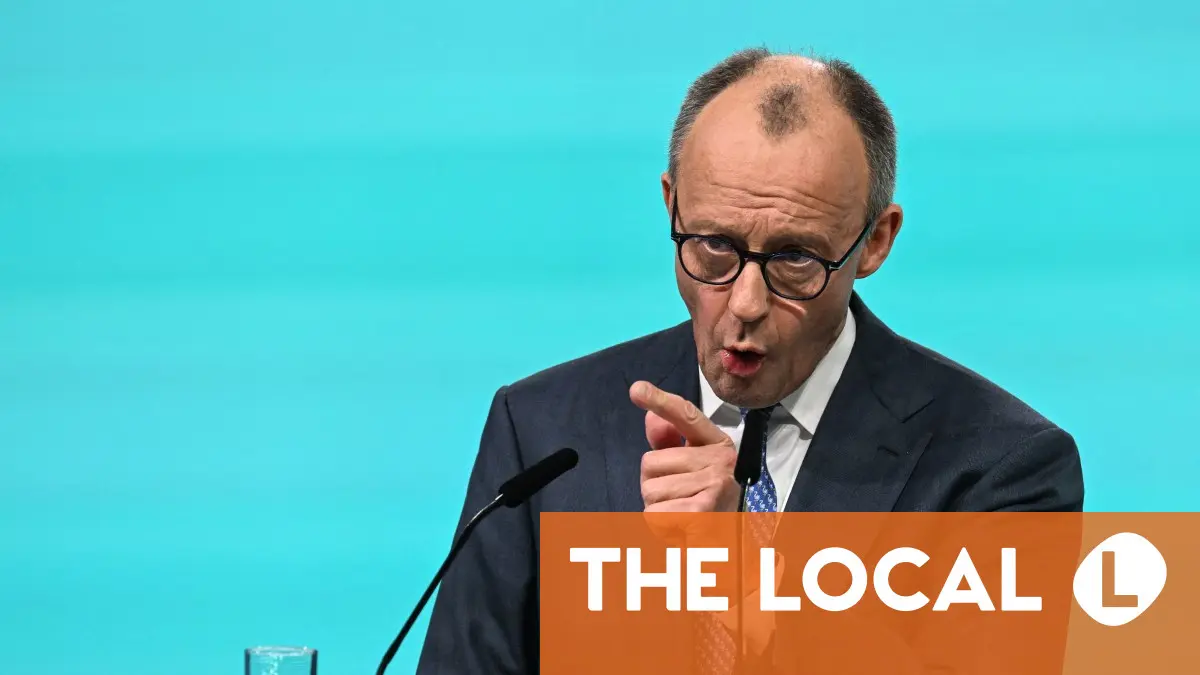
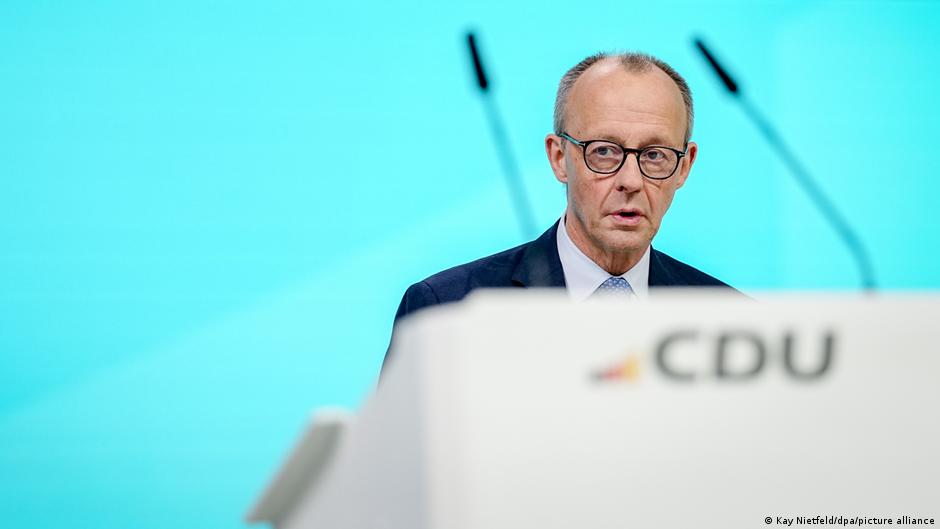
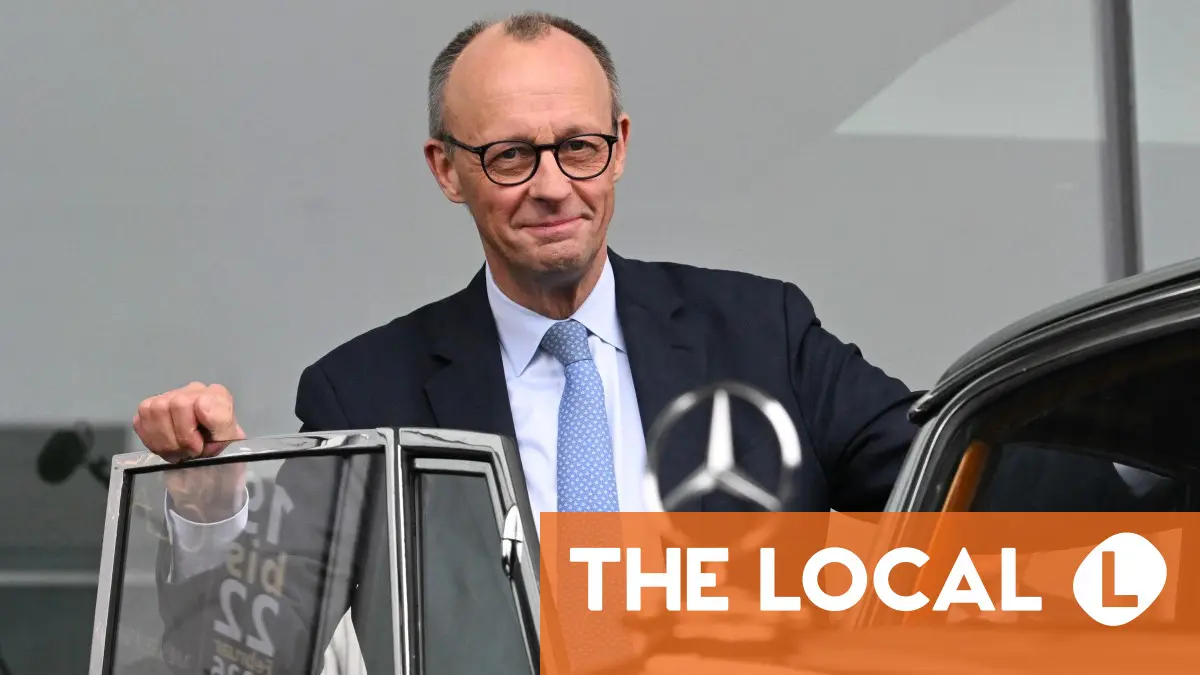
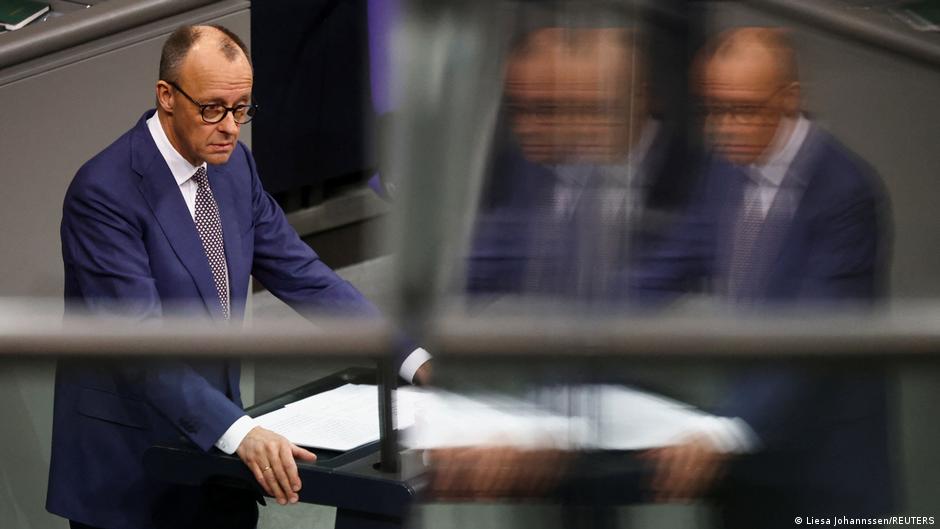
Merz has been under pressure following the US intervention in Venezuela. His reaction to the capture of former Venezuelan leader Nicolas Maduro by the US military, was somewhat restrained and vague. The German chancellor described it as a "complex situation," also from a legal perspective, which the German government would now carefully examine. That was all. The words "breach of international law" did not pass the lips of the chancellor or his spokespeople.
Germany and the European Union must fundamentally rethink their relationship with the United States, the center-left Social Democratic Party (SPD) advocates, as President Donald Trump's approach to international affairs raises doubts about the US's reliability as a partner and ally. The SPD, the junior coalition member in Chancellor Friedrich Merz's conservative-led government, argues in a policy paper set to be adopted by the party executive board that Germany must carry out a realistic reassessment of the trans-Atlantic relationship.
She had intended to speak about the flashpoints in international politics, Greenland and Ukraine, and US President Donald Trump, but the journalists present kept returning to the issue of the Mercosur agreement and how her party scuppered its ratification. Mercosur, the EU's major trade deal with the four South American countries of Argentina, Brazil, Paraguay, and Uruguay, was meant to be a sign of hope in a world of increasing nationalism a boost to trade based on rules, not punitive tariffs.
While the previous law required most newly installed heating systems to use at least 65% renewable energy, often with a heat pump, the reformed legislation will allow households to keep using oil and gas. It also removes a mandate for expert consultation when installing a new heating system.
02/23/2026February 23, 2026 German Chancellor Friedrich Merz's party wants to end the option of employees getting a sick note by phone. Its coalition partner, however, opposes the proposal. DW has the latest. Merz has criticized the average of 14.5 sick days taken by employees in GermanyImage: Thilo Schmuelgen/REUTERS Skip next section
The ruling coalition in Germany's eastern state of Brandenburg lost its majority on Tuesday, sparking calls from the far-right Alternative for Germany (AfD) for new elections. Centre-left SPD state premier Dietmar Woidke said he would run a minority government for now and seek talks on a new alliance with the centre-right Christian Democrats (CDU) of Chancellor Friedrich Merz. The crisis was sparked when Woidke ended a year-old coalition with the BSW, a far-left Moscow-friendly party, citing "constant disagreements" within the junior coalition partner.
Germany has no equivalent of the US' specialized Immigration and Customs Enforcement (ICE) agency, though that would change if the Bavarian branch of the far-right Alternative for Germany (AfD) had its way. Apparently directly inspired by the actions of ICE under President Donald Trump's administration, an internal paper from the far-right party seen by the German newspaper taz this week proposed that a new authority be created within the Bavarian state police named the Asyl-, Fahndungs- und Abschiebegruppe (AFA), or the "Asylum, Tracing and Deportation group."