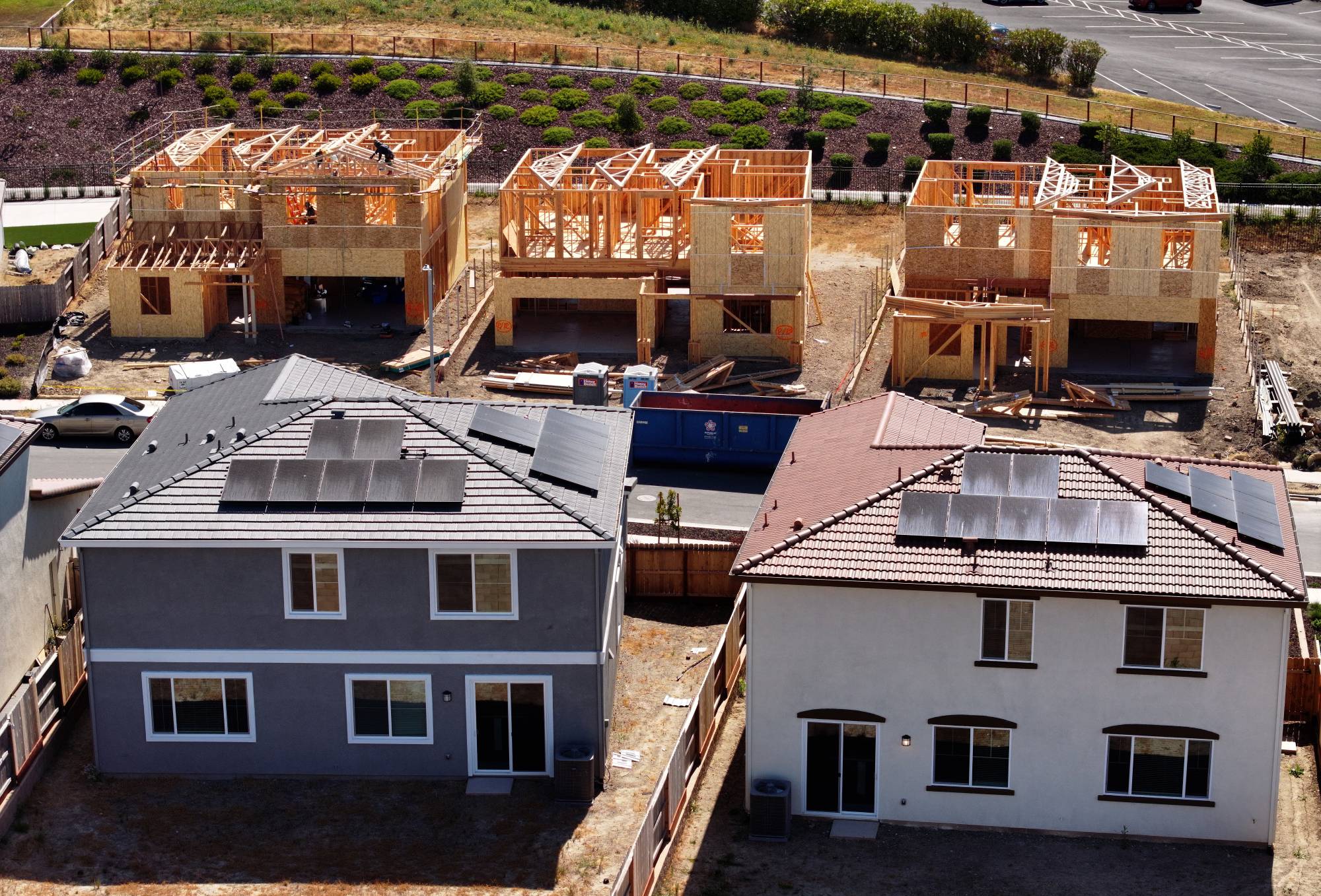
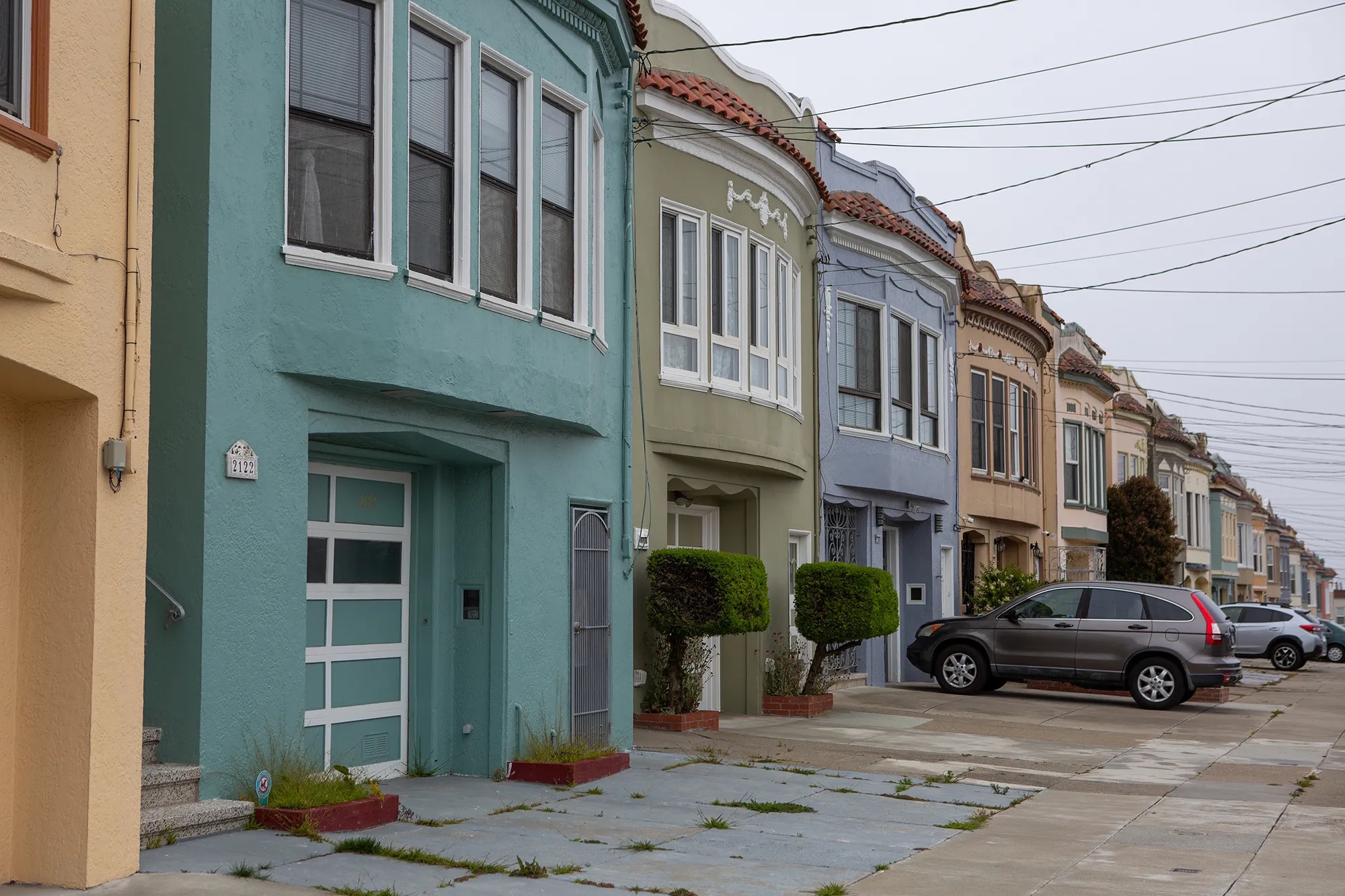
Roughly one in six California houses is owned by someone who doesn't live there - but investors' market clout varies across the state. That's what my trusty spreadsheet found after reviewing a BatchData report that found investors of all sizes own 1.28 million houses statewide - 17% of California's supply of houses and townhomes. Investors in this study include everything from giant companies controlling thousands of houses to folks with a small collection of rentals to short-term rental operators to people with a second home.
Perhaps the best that can be said for the plight of California renters is that it could be worse. My trusty spreadsheet reviewed monthly rents and hourly wage data collected by United Way, comparing 2024 with 2019 for 96 U.S. metropolitan areas, including nine in California. Those statistics show that paychecks are not keeping up with monthly rent payments, both in California and nationwide.
Here is yet another way to look at the financial challenges of California homeownership: Recurring costs eat up more than half of household income for roughly 1 in 6 owners statewide. My trusty spreadsheet identified this affordability challenge by analyzing 2024 Census Bureau housing data for the 50 states and the District of Columbia. These latest figures detail swings in who owns their residence, how much they pay a month, and how many owner households are financially swamped by expenses.
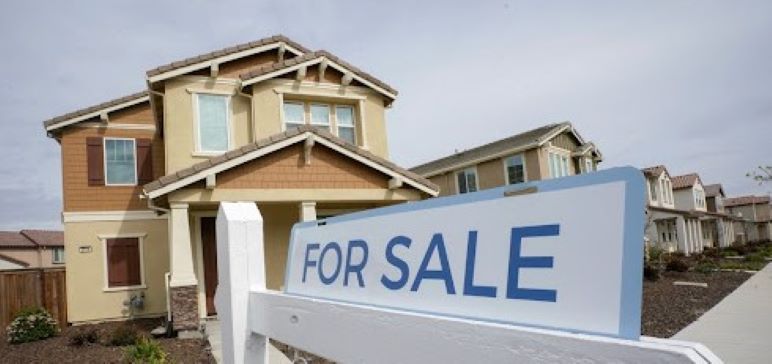
My trusty spreadsheet reviewed data from Cotality - previously known as CoreLogic - tracking the share of single-family home purchases made by people not occupying the property. My focus was on the average pace of the past 18 months - last year and the first six months of 2025 - and how those investment patterns compared to the previous nine years. What stands out: Seven of California's 10 most significant increases in investor share of homebuying were nowhere near the Pacific.
The Linden Drive project was one of the first proposals in Beverly Hills to exploit the legal loophole that lets builders override local planning boards when cities fail to plan for new housing as required by state law.