If you've been wondering how long you have to buy a house after selling one to avoid a tax penalty, you're dealing with a widely circulated, but outdated belief. The idea that you must purchase another home within a specified window after selling your current one in order to avoid taxes is no longer accurate. Rather than focusing on a deadline for buying another house, current U.S. tax law hinges on how long you owned and lived in the home you sold.
Leaving the UK could soon become more expensive for homeowners if a proposed exit tax is introduced for those looking to emigrate from the UK. The government and HMRC currently say there is no general exit tax in force, but recent reporting shows Treasury officials are modelling options and Ministers have not ruled out new measures. If you are buying a house in the UK now, or already own one, the way exit rules are drafted could affect whether you pay tax on that property.
Rich people quitting the UK could be required to pay a 20% tax on their business assets as part of plans reportedly being considered by the chancellor, Rachel Reeves. The Treasury has drawn up plans for a settling-up charge on assets; a move that would bring the UK into line with most other G7 nations and raise a predicted 2bn for the public coffers, according to the Times.
The UK's capital gains tax (CGT) system underwent significant changes in October 2024, following the Chancellor Rachel Reeves' Autumn Budget. The adjustments affect everyone from casual investors to landlords, entrepreneurs, and those disposing of crypto assets - and, crucially, HMRC's outdated self-assessment software has not kept up with the mid-year changes. For anyone filing a 2024-25 return, here is a comprehensive guide to the new rules, the key numbers, and what it means for your finances.
Divorce brings complexities in property division, with capital gains tax implications occurring when a marital home sells for more than its purchase price. Understanding capital gains exclusions and their timing assists couples in avoiding costly surprises.
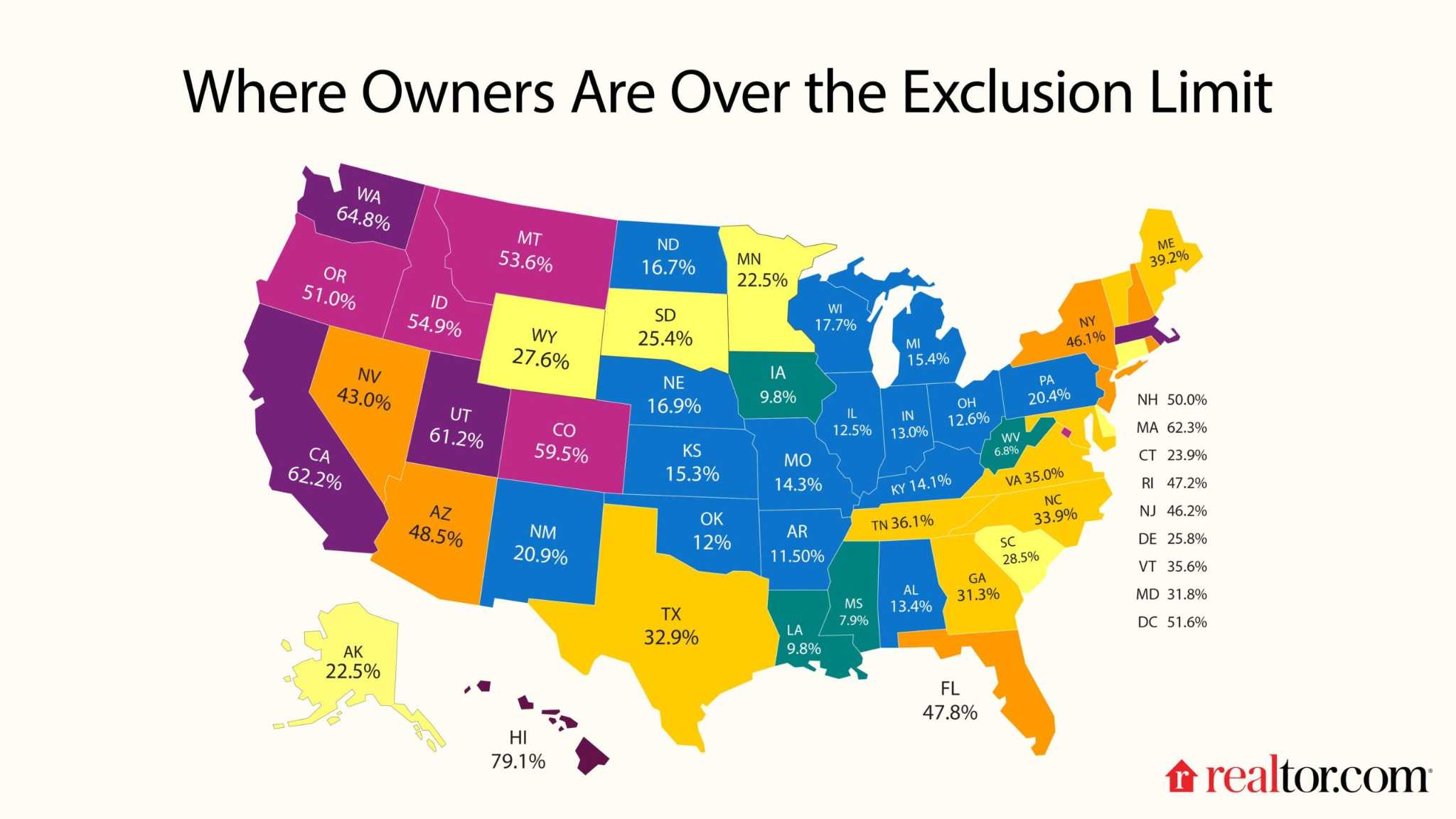
According to the National Association of REALTORS®, 35% of homeowners in Virginia now exceed the federal capital gains tax exemption, potentially triggering thousands in federal and state taxes when they sell.
More than half of Oregon homeowners may face unexpected tax liabilities due to increased home equity exceeding federal capital gains tax exclusions, potentially losing significant profits on sales.
The capital gains exclusion was designed in 1997 to help homeowners avoid taxes when selling their primary residence. At the time, the $250,000 (individual) and $500,000 (joint) limits covered most home sales. But those limits have never been adjusted for inflation.