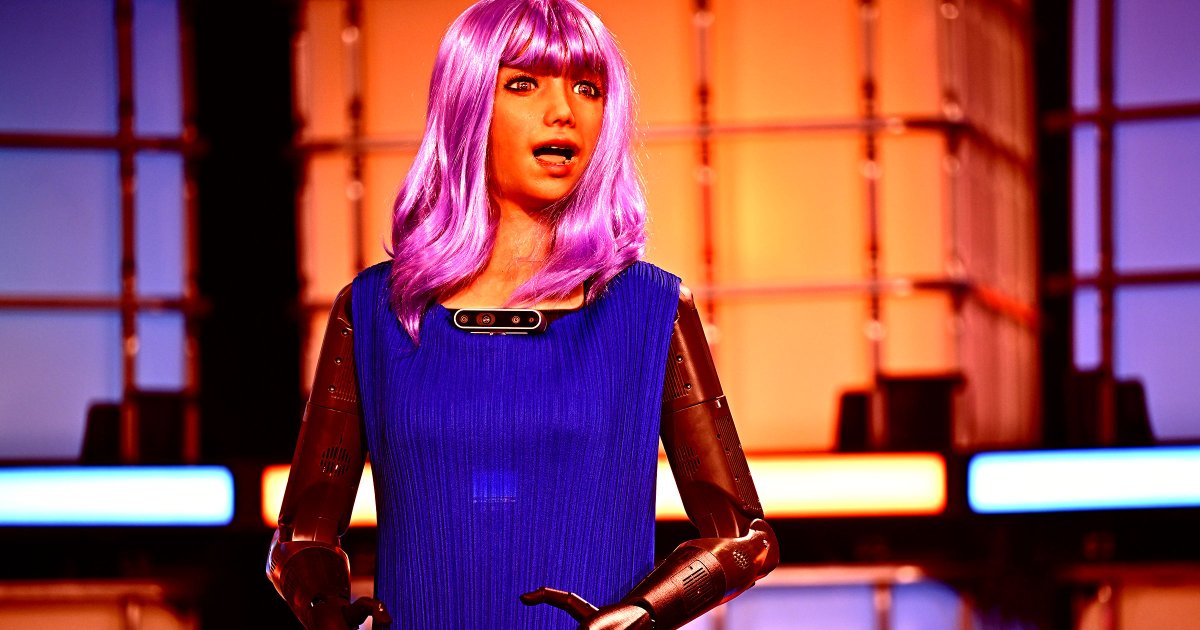
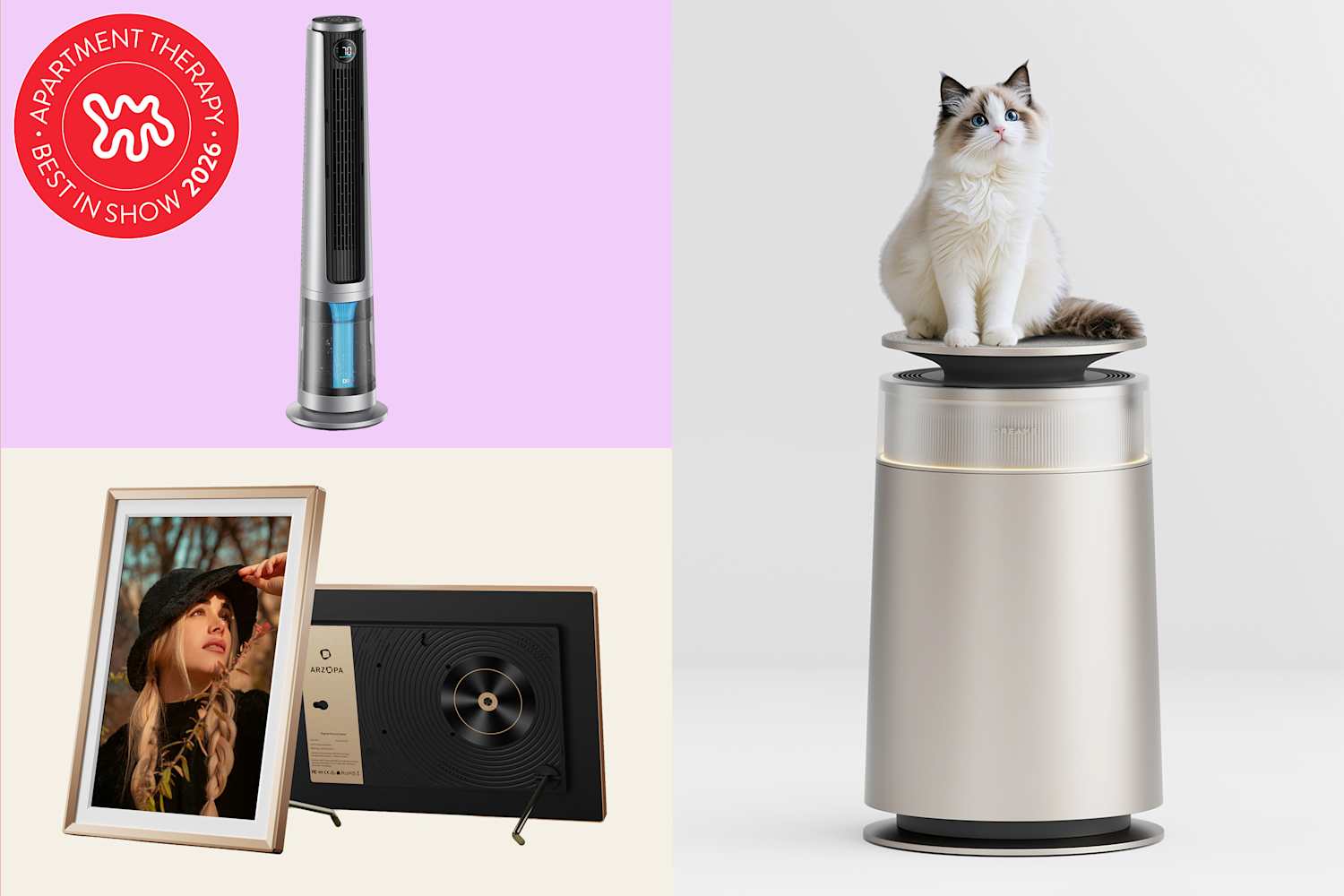
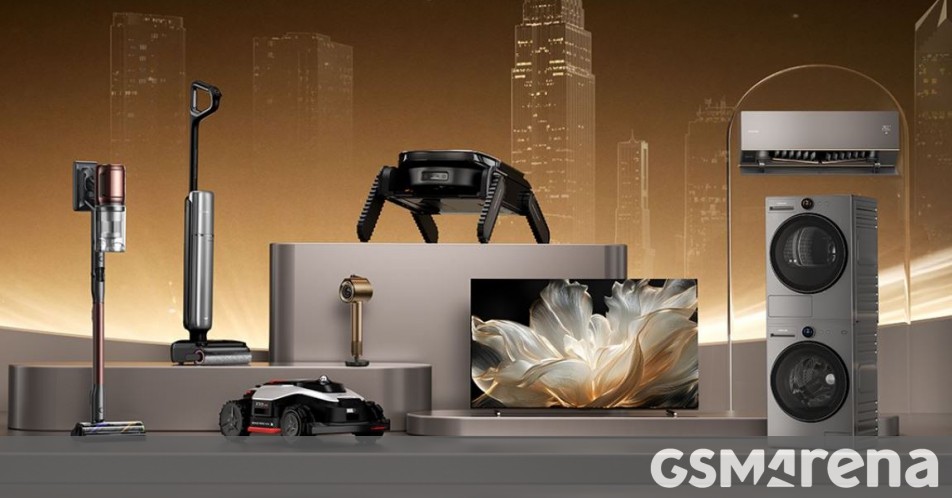
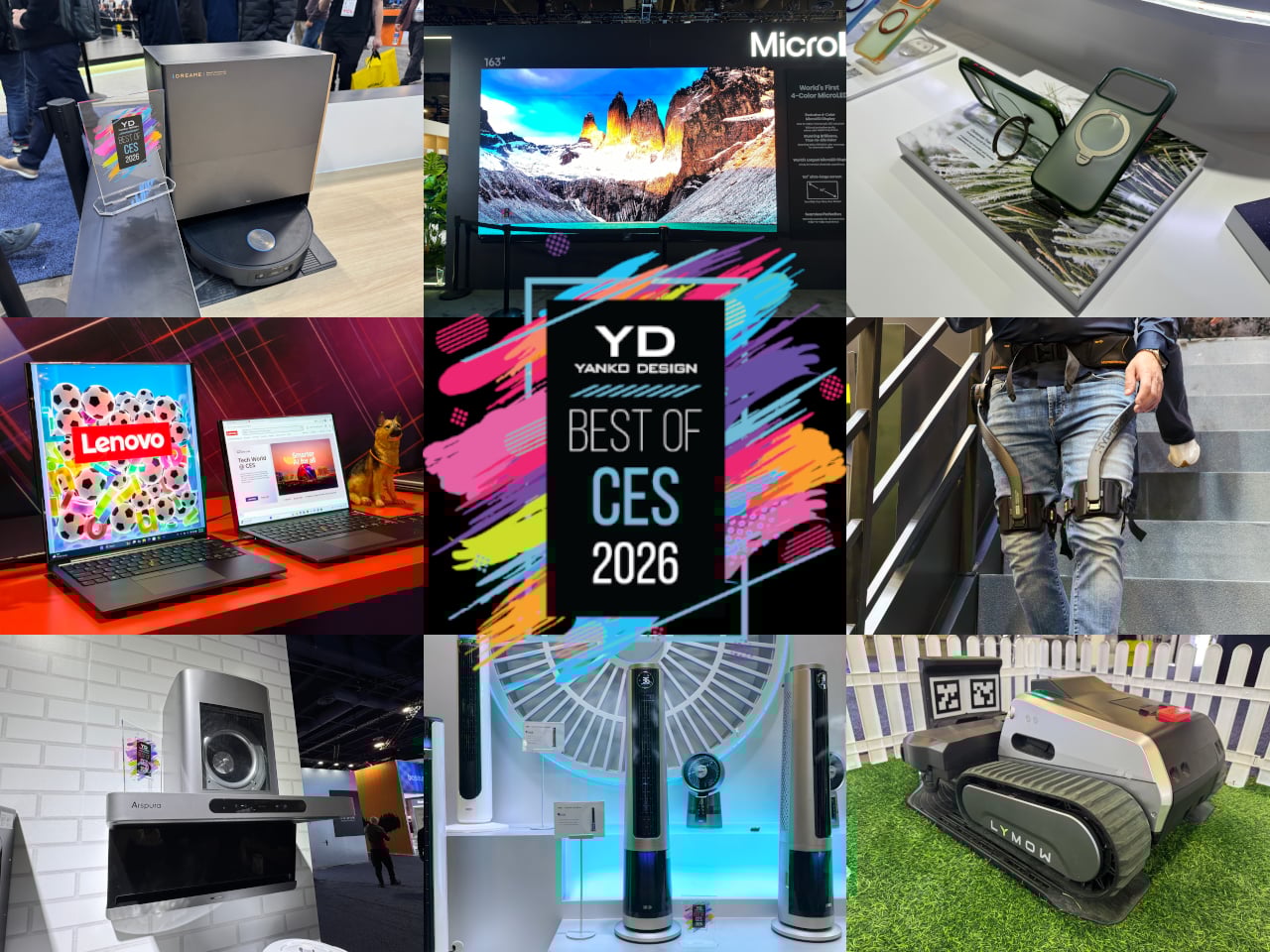
Every year, the Consumer Electronics Show (CES) gives us a glimpse of what's around the corner in tech: creepy humanoid robots, robovacs that climb stairs, AI baked into everything. Some of these products will never come to fruition. Some will arrive months later. And some — the rarities we picked out below — are available to order right now. I had a chance to try each one in person on the show floor in Las Vegas.
But before that happens, I managed to find phones of a different shape lurking around the corners of the CES convention center halls. They weren't center stage, of course. That was reserved for robots doing laundry badly. But in the margins at tech's biggest show, I saw some glimmers of hope that the future of phones might not look as same-y as it has for the past half decade - at least, if you know where to look.
This week, I've been reading about gerrymandering and watch conventions and John Ternus, watching F1 and Roofman and half the Mission: Impossible series on plane rides, starting and then immediately failing a daily journaling habit, getting super into the Debt Heads podcast, learning fun facts about mail processing, buying a bunch of old gadgets on eBay to fill up my video call background, and barely escaping the CES flu. So far.
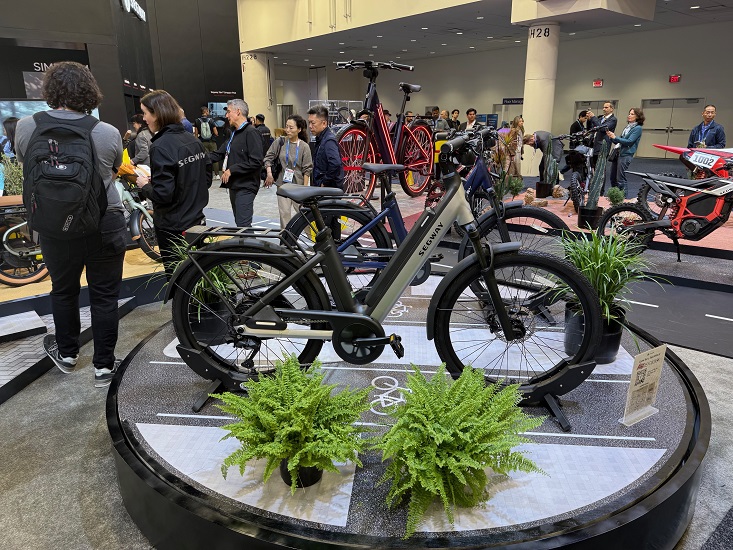
First, CES is a massive event. It is humanly impossible to stop by every booth no matter how militant you are with your time. Second, I was struck by how much space the convention was dedicated to automobility. I agree with what Paul Costa, a 25-year Apple veteran who worked on the company's self-driving car project and is now at Ford, told me: CES has become a car show as much as it remains a tech show.
Every year, TV makers flock to CES in Las Vegas to show off bigger, brighter, and better-looking displays. And every year, the same companies also use the show to throw a bunch of spaghetti against the wall as they try to figure out how to sell those big TV sets to consumers busy watching TikTok videos on their phones. In recent years, TVs have gotten cameras for video chats and AI-powered workouts.
"There have been toys like that on the market for years, but they've been very not very interesting from a sophistication standpoint- they didn't evolve with the person and the AI capability lets you mature, lets the pet mature with you," Vena said.
Hyundai's decision to use its CES keynote to tout Boston Dynamics' Atlas robot sends a pretty clear message about how the auto industry is absorbing the bad news about EVs in the United States in 2025, and where it thinks things are heading in the new year. EVs are out, and AI and robotaxis are in. In addition to Hyundai, Mercedes announced its plans to roll out its Nvidia-powered Level 2++ driver assist feature in the US later this year.
Here's the thing about CES, though: it showcases fantasies as much as it brings us what's next. People had VCRs (if you don't know what that is, go ask a grandparent or a nearby millennial) in their homes for decades. I am still waiting for flying cars to be a thing. Thus, it's good to take what you see at this show with a grain of salt. Or a gallon of it.
Jackery, the home battery company, is back at CES with a solar-powered Gazebo it swears you'll be able to buy in the second half of the year, starting in California. With an expected price of between $12,000 and $15,000 before adding any battery storage, you might want to save a few bucks and build one yourself from solar panels and power stations that Jackery, and many others, will happily sell you.
First up is a line of Bluetooth speakers dubbed the ELIE (Extremely Loud Infinitely Expressive). The lineup includes two models, the E6 and E12. The speakers leverage a combination of DSP and system-on-a-chip processing, which Fender says can deliver more volume while maintaining greater power efficiency. Each speaker can handle up to four audio channels at once, including a Bluetooth source, a wired XLR or 1/4-inch input and two additional wireless channels with compatible Fender Audio accessories.