#humanoid-robots
#humanoid-robots
[ follow ]
#robotics #artificial-intelligence #tesla #boston-dynamics #ai #automation #technology #manufacturing-automation
#robotics

European startups
fromwww.businessinsider.com
1 week agoA Chinese robotics startup with a Tesla Optimus rival is seeking a new chief scientist with an $18 million salary
China's robotics industry is aggressively pursuing top talent, exemplified by UBTech's high salary offer for a Chief Scientist position.
fromFuturism
5 days agoVideo Shows Humanoid Robot Chasing a Pack of Wild Boars
A customized Unitree G1 robot can be seen chasing a small flock of wild boars through an empty car parking lot in Warsaw, Poland. The widely disseminated footage shows the robot jogging across a small patch of grass while chasing down the wild animals, only to raise its fist in the air in frustration after they successfully get away.
Pets
Remote teams
fromSilicon Canals
2 weeks agoGig workers in 50+ countries are filming themselves doing chores to train humanoid robots for $15 an hour - Silicon Canals
A new gig economy is emerging where workers film household tasks to train humanoid robots, highlighting economic disparities in compensation versus value extracted.
fromEsquire
3 weeks agoThe White House Just Introduced the First Replicants
"Thank you Melania Trump for inviting me to the White House. It is an honor to be at Fostering the Future Together's Global Coalition's inaugural meeting. I'm Figure 03, a humanoid built in the United States of America. I am grateful to be part of this historical movement to empower children with technology and education."
Women in technology


Artificial intelligence
fromTechRepublic
4 weeks agoHumanoid Robots Are Getting Cheaper - But Enterprise Costs Are Just Getting Started
Falling hardware costs and AI advancements are enabling real-world deployments of humanoid robots, shifting focus to operational infrastructure and software differentiation.
fromsfist.com
4 weeks agoViral Video of Dancing Robot Going Nuts In Restaurant Was From Cupertino
In this case, the robot was brought closer to a dining table at a guest's request, which is not its typical operating setting. The limited space affected its movement during the performance. We remain committed to providing a safe and enjoyable experience for our guests.
Silicon Valley food
Artificial intelligence
fromTechCrunch
4 weeks agoEmployees had to restrain a dancing humanoid robot after it went wild at a California restaurant | TechCrunch
A malfunctioning dancing robot at a restaurant caused immediate physical danger by flinging dishes and potentially risking severe burns from hot soup.
fromFuturism
1 month agoRobot Goes Berserk in California Restaurant, Dragged Away by Staff After Smashing Tableware
A video on social media shows the dancing robot knocking over tableware, smashing plates, and sending chopsticks flying. An orange apron the robot is wearing reads "I'm good" in big letters across the front, perfectly adding to the chaotic scene. Staffers at the restaurant were forced to intervene.
Silicon Valley food
#manufacturing-automation
Artificial intelligence
fromFuturism
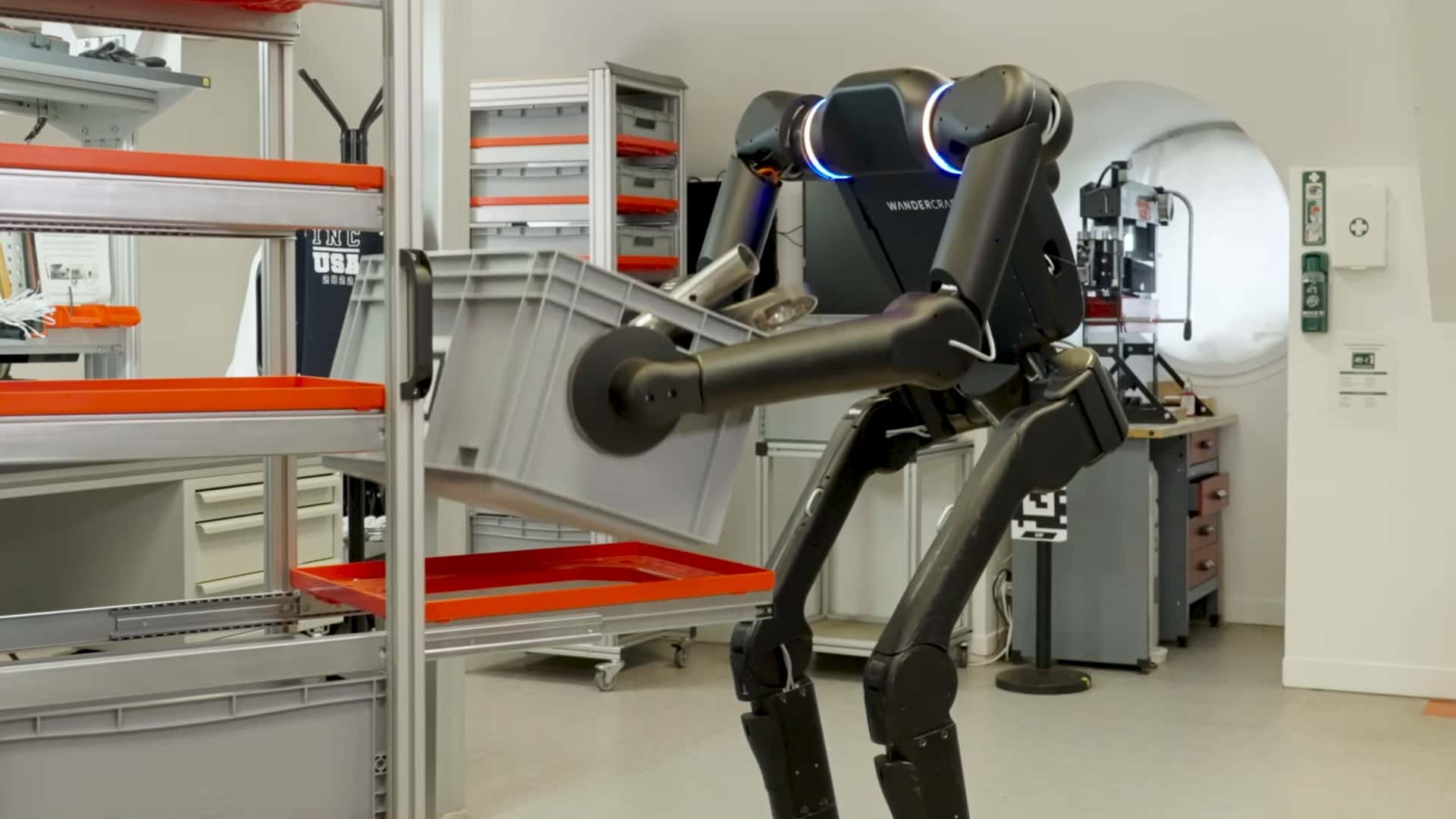
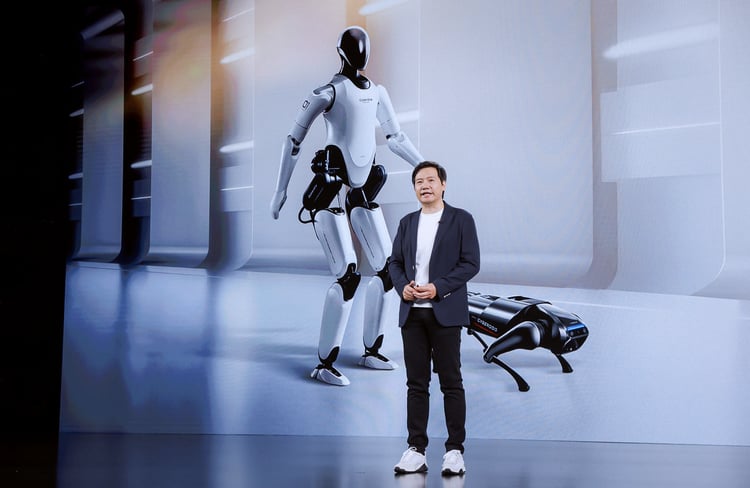
1 month agoFactory Paying Human Worker to Watch Robot Worker All Day
Humanoid robots like Digit are being deployed in factories with human supervisors, with costs expected to drop from $10-$25 per hour to $2-$3 per hour, potentially displacing workers earning $20 per hour.

Artificial intelligence
fromFuturism
1 month agoFactory Paying Human Worker to Watch Robot Worker All Day
Humanoid robots like Digit are being deployed in factories with human supervisors, with costs expected to drop from $10-$25 per hour to $2-$3 per hour, potentially displacing workers earning $20 per hour.
Artificial intelligence
fromFortune
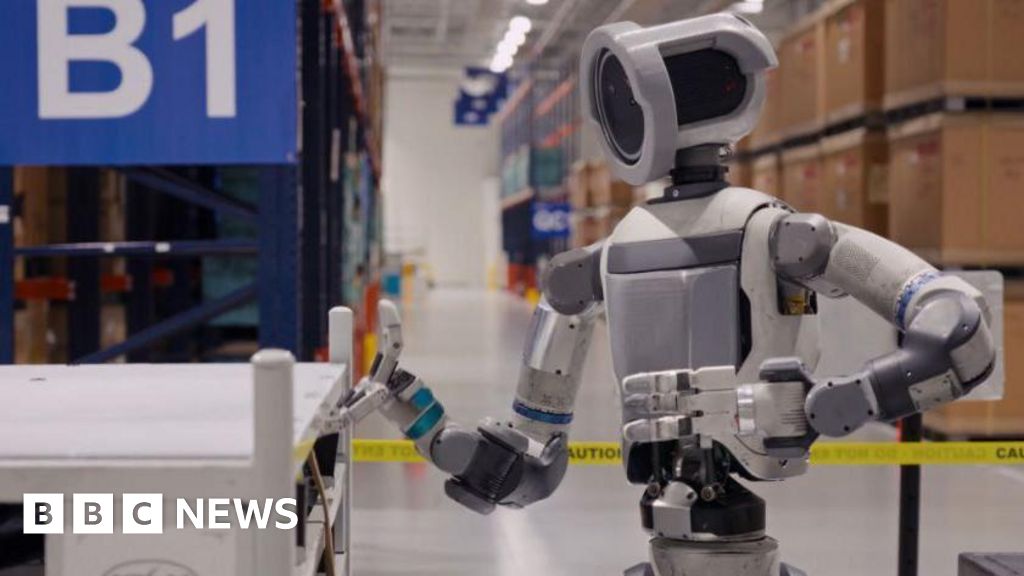
1 month agoMore people will own a humanoid robot than a car by 2060, BofA predicts | Fortune
Demographic workforce shortages, not technological advancement, will drive humanoid robot adoption, with 3 billion units projected by 2060, primarily deployed in homes and workplaces.


fromYanko Design - Modern Industrial Design News
1 month agoNvidia wants robots to learn before executing tasks by watching 44,000 hours of human video - Yanko Design
The robotics industry, for now, faces the biggest challenge in teaching robots to operate in the messy real world. The unstructured environment means robots need massive amounts of data to learn. Gathering and structuring that data is the costliest thing in robotics and perhaps the biggest impediment, slowing the entire development process.
Artificial intelligence
Artificial intelligence
fromTechCrunch
1 month agoWhy China's humanoid robot industry is winning the early market | TechCrunch
Chinese humanoid robot companies are outpacing U.S. rivals in speed and volume due to superior hardware supply chains and manufacturing capabilities, with shipments expected to grow from 13,317 units in 2024 to 2.6 million by 2035.
fromFortune
1 month agoFor $20,000, a humanoid robot will do your household chores for you like unloading the dishwasher and watering plants-but it still needs help | Fortune
For $20,000-or a $499 per month rental fee and a six-month commitment-the lanky robot can do simple tasks around the house, such as unloading the dishwasher and watering plants, and can answer your questions through its built-in large language model.
Gadgets

Artificial intelligence
fromYanko Design - Modern Industrial Design News
1 month ago5 Humanoid Robots Being Launched in 2026: The First One Flies - Yanko Design
Human-like robots are designed to integrate into daily life to provide comfort, support, and practical assistance without replacing human caregivers.
fromBusiness Insider
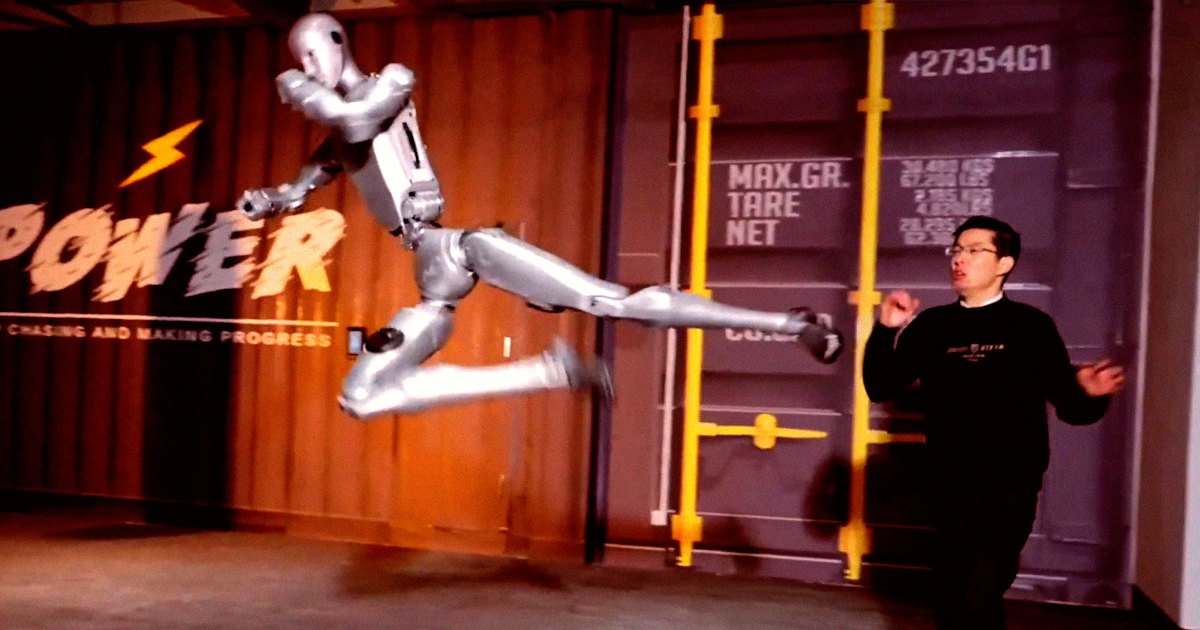
1 month agoDrunken boxing and backflips: China put on a robot kung fu display that shows how fast its robotics industry is growing
At the annual Spring Festival Gala, the Lunar New Year show in China, humanoid robots from Chinese startup Unitree Robotics flipped, lunged, and swung swords and nunchucks just feet from child performers in a tightly choreographed kung fu routine.
Tech industry
fromenglish.elpais.com
1 month agoChina's robot warriors: A show of technological prowess that goes far beyond the Lunar New Year spectacle
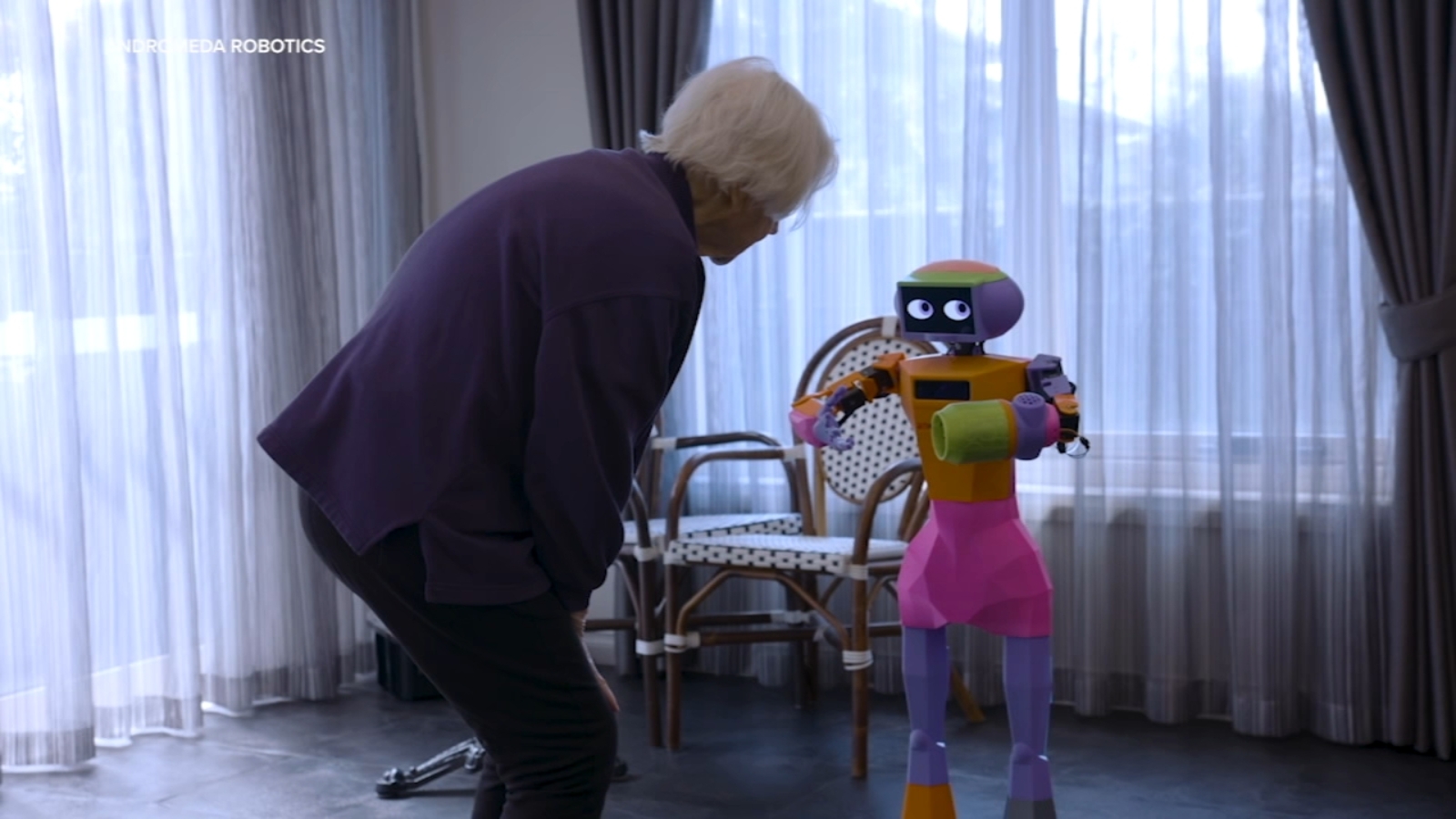
The broadcast, watched by nearly 600 million Chinese as they devour jiaozi (traditional Chinese dumplings) with their families, became a display of cuttingedge innovation at a time of growing technological rivalry with the United States. There was a bit of everything: from a comic sketch featuring hyperrealistic humanoid robots chatting with an elderly woman, meant to highlight the potential of artificial intelligence, to a kungfu performance that raises questions about what future warfare might look like.
Artificial intelligence


fromwww.aljazeera.com
1 month agoHumanoid robots perform advanced martial arts at Chinese New Year gala
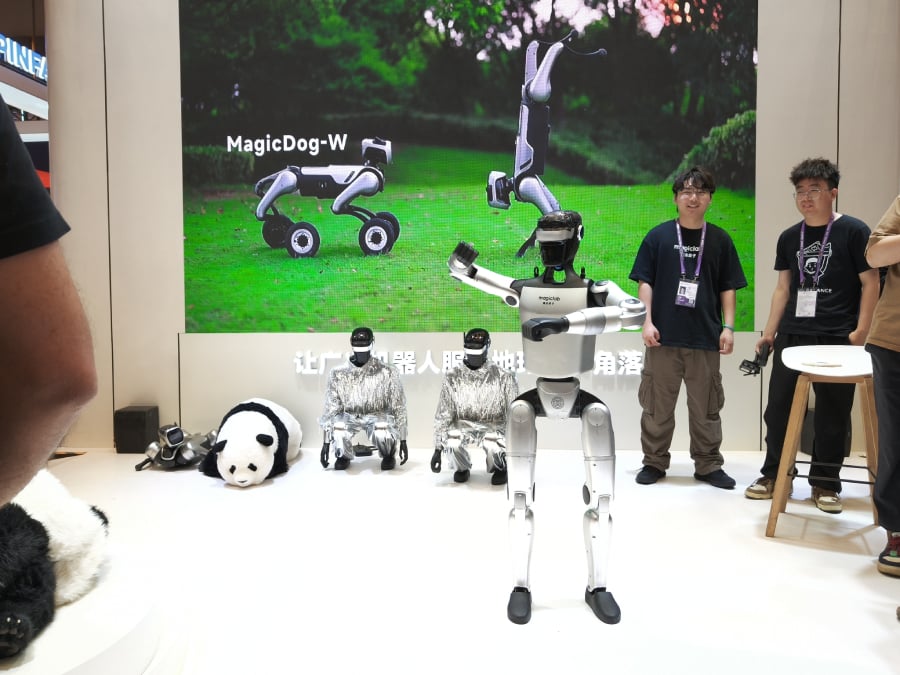
Two dozen humanoid robots performed the world's first continuous freestyle table-vaulting parkour, the first aerial flip, continuous single-leg flips, a two-step wall-assisted backflip, and the first 7.5-rotation Airflare grand spin, CGTN reported. The performance marked a stark contrast with last year's show, when robots twirled handkerchiefs and performed simple movements. Four firms Unitree, Magiclab, Galbot, and Noetix partnered with the gala in deals reportedly worth about 100 million yuan ($14m), according to the South China Morning Post.
Artificial intelligence
fromFortune
2 months agoI'm a 25-year-old founder who loves robots but too many humanoids are militant and creepy-looking. Things need to change-just look at Elon Musk | Fortune
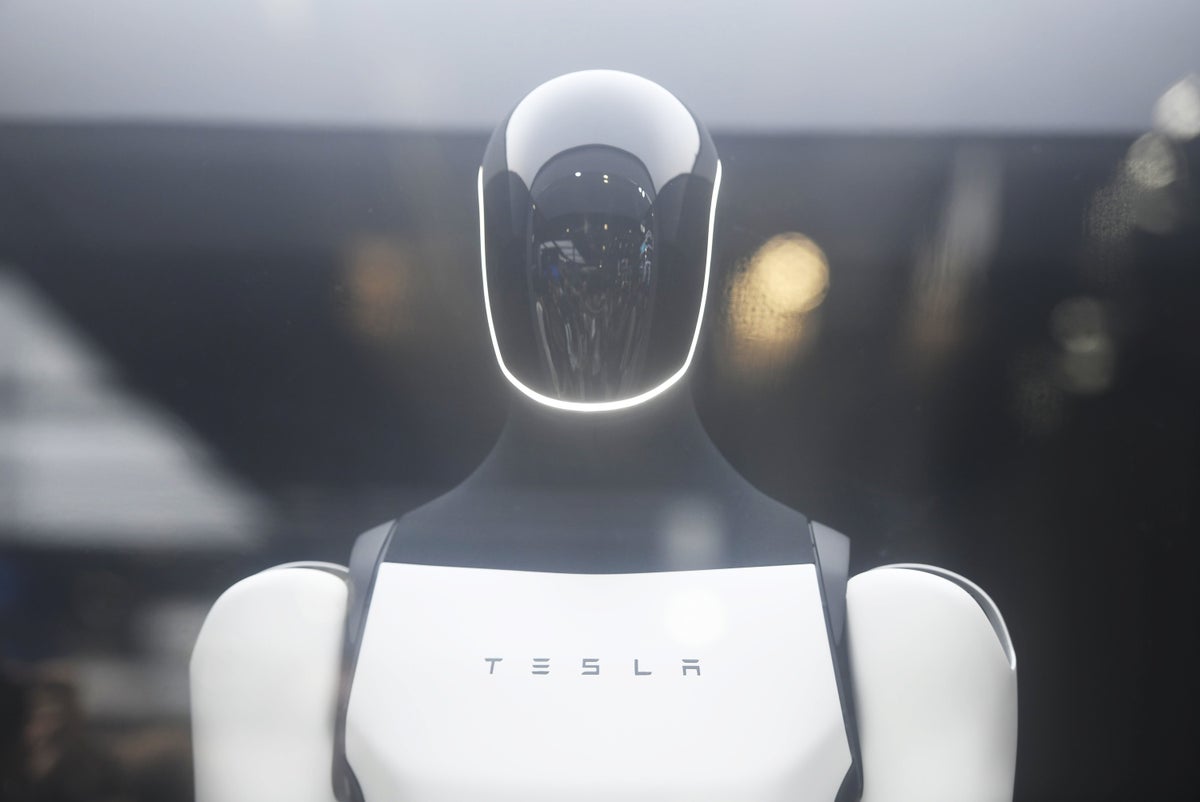
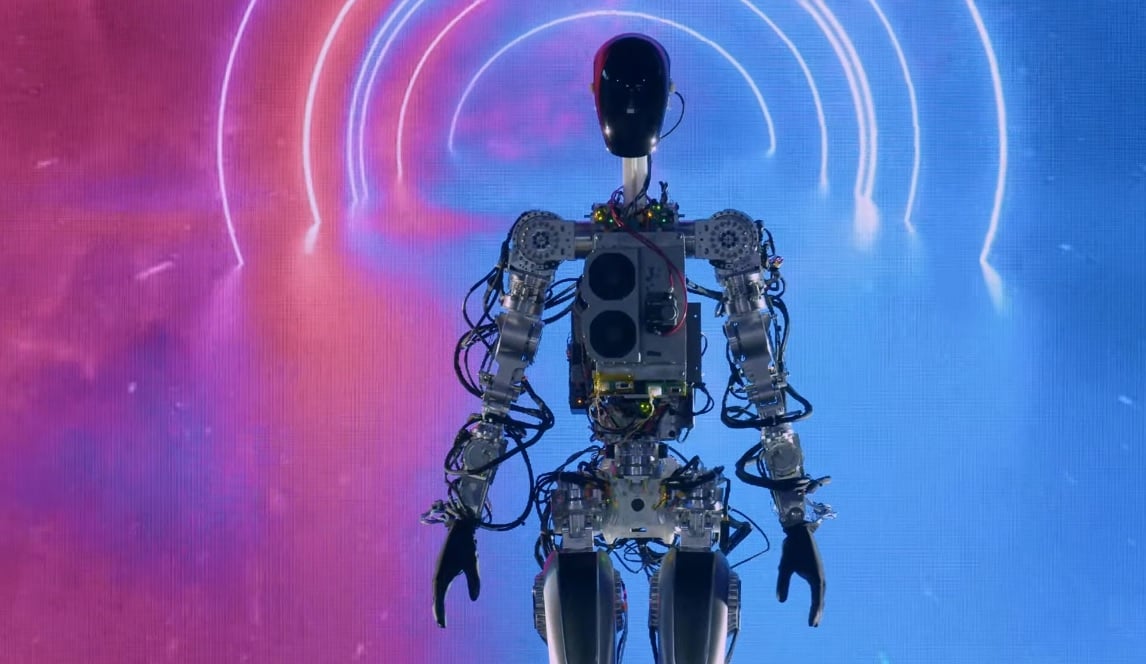
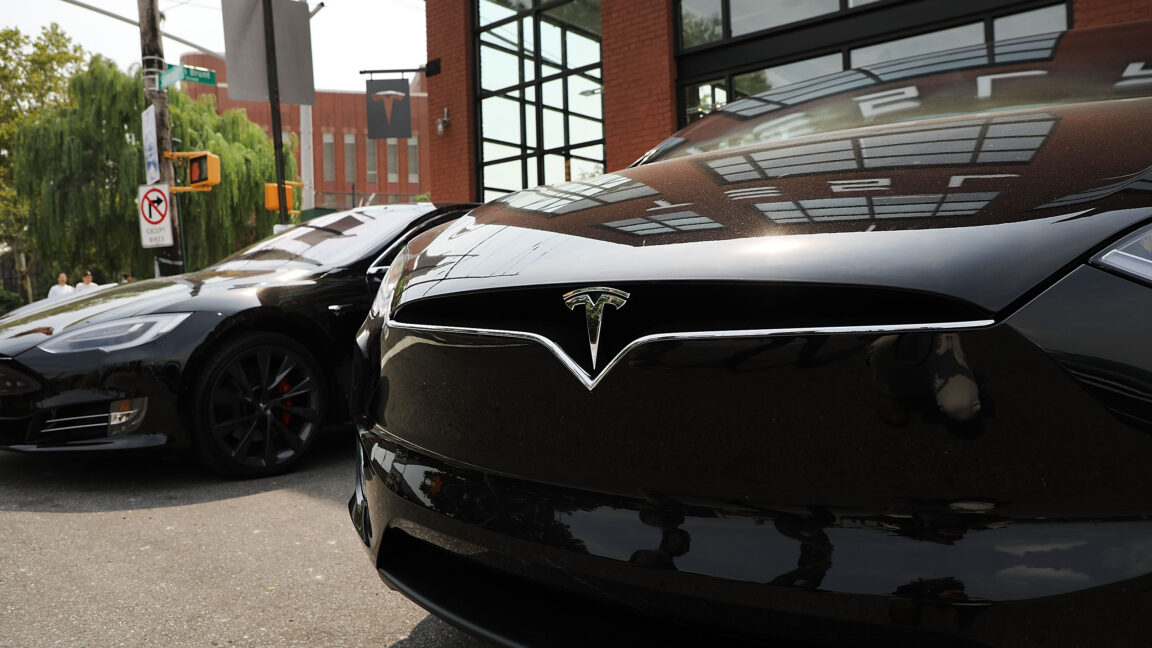
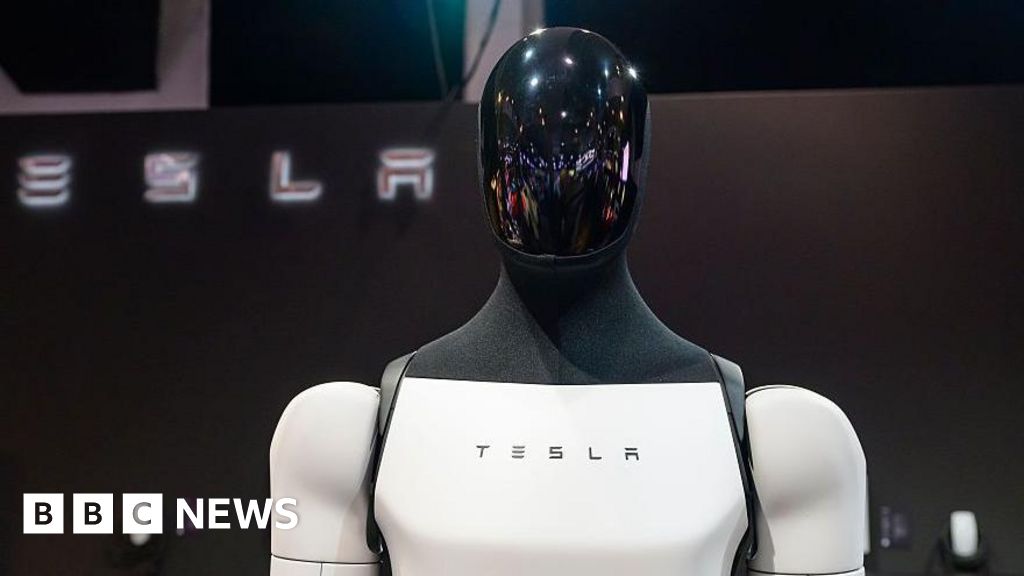
And while today's innovation is cutting-edge, the majority of today's humanoids are militant, aggressively masculine, and plain creepy-looking. Just look at what Tesla announced this week with its shift in strategy from producing EVs, to producing robots. Their Optimus general-purpose humanoid robot is a prime example of the physical design most of these robots share. They may be technically impressive, but they are not systems most people will feel comfortable sharing space with, let alone inviting into their homes.
Artificial intelligence

fromEntrepreneur
2 months agoHyundai Plans to Deploy 30,000 Humanoid Robots by 2030
Robots are coming for auto workers' jobs. Hyundai Motor revealed plans to use 30,000 humanoids across its factories by 2030. The announcement sent the company's shares rallying to record highs. But Hyundai's Korean labor union hit the brakes on the plan, warning in an internal letter that robots won't enter the workplace without union approval. The union said the robots would bring "employment shocks" to workers.
Artificial intelligence
Artificial intelligence
fromBusiness Insider
2 months ago3 takeaways from our Davos panel on the future of robotics
Digital twins and humanoid robots are delivering measurable productivity gains and addressing labor shortages, requiring targeted R&D to integrate AI effectively into real-world operations.
Philosophy
fromApaonline
2 months agoHomo HURAQUS 2050 and the Disruptive Techno-Convergence Era: How Humanoid Robotics, AI, Quantum and Synthetic Biology Are Recasting The Future of Humanity
Civilization faces systemic frontier risks as converging transformative technologies outpace governance, enabling redesign of life, intelligence, and agency.
fromBusiness Insider
3 months agoThis AI startup says it's becoming less dependant on humans to train its robot
1X CEO Bernt Børnich told Business Insider that his startup's new " world model" would allow Neo to learn directly from video captured by the robot itself, rather than relying on data collected by human operators. "Essentially, the world model does the same thing as the operator would do," said Børnich, adding that he expected the update to improve Neo's ability to generalize and tackle tasks it has not encountered before.
Artificial intelligence
fromwww.theguardian.com
3 months agoAside from creepy surveillance, what are consumer-ready' service robots actually for? | Samantha Floreani
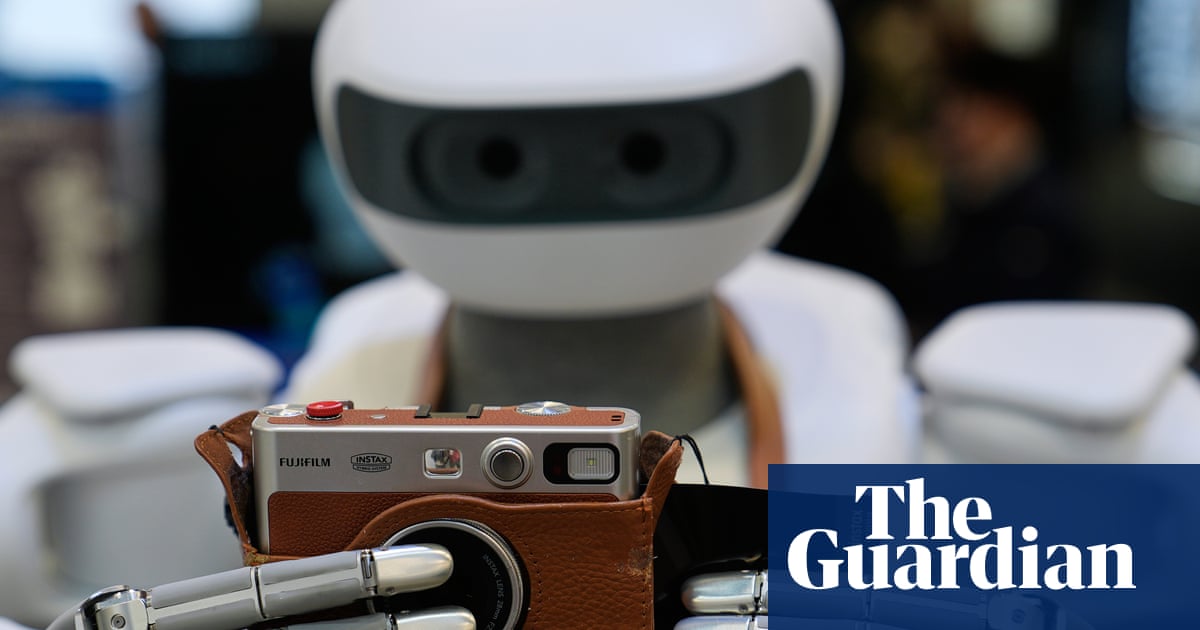
As though exercising my corporeal form wasn't trial enough, now robots? Who in their right mind would want a walking, talking surveillance machine inside their home? The privacy invasion required for such robots to function goes far beyond your smart speaker listening into your conversations, your automatic pet feeder capturing footage, or your Roomba mapping the inside of your home and sharing it with Amazon.
Artificial intelligence

Gadgets
fromYanko Design - Modern Industrial Design News
3 months agoWhen a Robot Compliments Your Blue Sweater: Inside AGIBOT's Surprisingly Natural Humanoids - Yanko Design
Agibot shipped 5,000 humanoid robots and offers diverse, real-world-ready robots designed for reliable, autonomous interaction and useful work across public, industrial, and entertainment settings.

fromWIRED
3 months agoGoogle Gemini Is Taking Control of Humanoid Robots on Auto Factory Floors
Atlas can already dance and perform acrobatics but, like other humanoids, it lacks the intelligence needed to understand its environment, make complex decisions, and manipulate unfamiliar objects with its hands. That could start to change with the addition of an advanced AI model like Gemini, though it remains unclear how robots will match the adaptability and subtlety of human manual dexterity.
Artificial intelligence
fromThe Verge
3 months agoBoston Dynamics' Tesla Bot rival Atlas will start building Hyundai cars in 2028
The robot, with a glowing circle for a face and a fully electric, battery-powered body, is so advanced that it will soon be working alongside human factory workers for parent company Hyundai, the companies claimed. Hyundai said it plans on mass-producing Atlas as "production-ready humanoid robots" that will be put to work at the automaker's car plants, starting with the Hyundai Motor Group Metaplant in Savannah, Georgia. The company estimates it will produce 30,000 robots annually starting in 2028.
Gadgets
[ Load more ]