#china-netherlands-tensions
#china-netherlands-tensions
[ follow ]
#china #taiwan #nato #iran #trump #tariffs #us-china-relations #international-relations #greenland #us-foreign-policy


fromFortune
10 hours agoChina's export boom is losing steam, thanks to the Iran war and the global energy crisis | Fortune
China's exports have decelerated as the Iran war starts to affect global demand and supply chains, according to Gary Ng, a senior economist for Asia Pacific at French bank Natixis.
World news


#nato


Europe politics
fromLondon Business News | Londonlovesbusiness.com
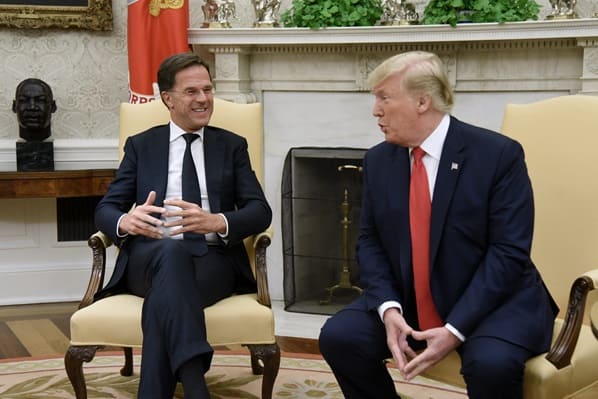
5 days agoStrait of Hormuz row sparks NATO discord, Rutte acknowledges shortfalls - London Business News | Londonlovesbusiness.com
Some NATO member states did not meet expectations during the recent war with Iran, as acknowledged by Secretary-General Mark Rutte.
fromwww.aljazeera.com
1 week agoPakistan, Afghanistan hold talks in China to end months of conflict
Pakistan's Foreign Ministry spokesperson Tahir Andrabi stated that the government hopes for a durable solution, emphasizing that the burden of real process lies with Afghanistan to act against terrorist groups.
World news



#us-china-trade-relations
World news
fromwww.dw.com
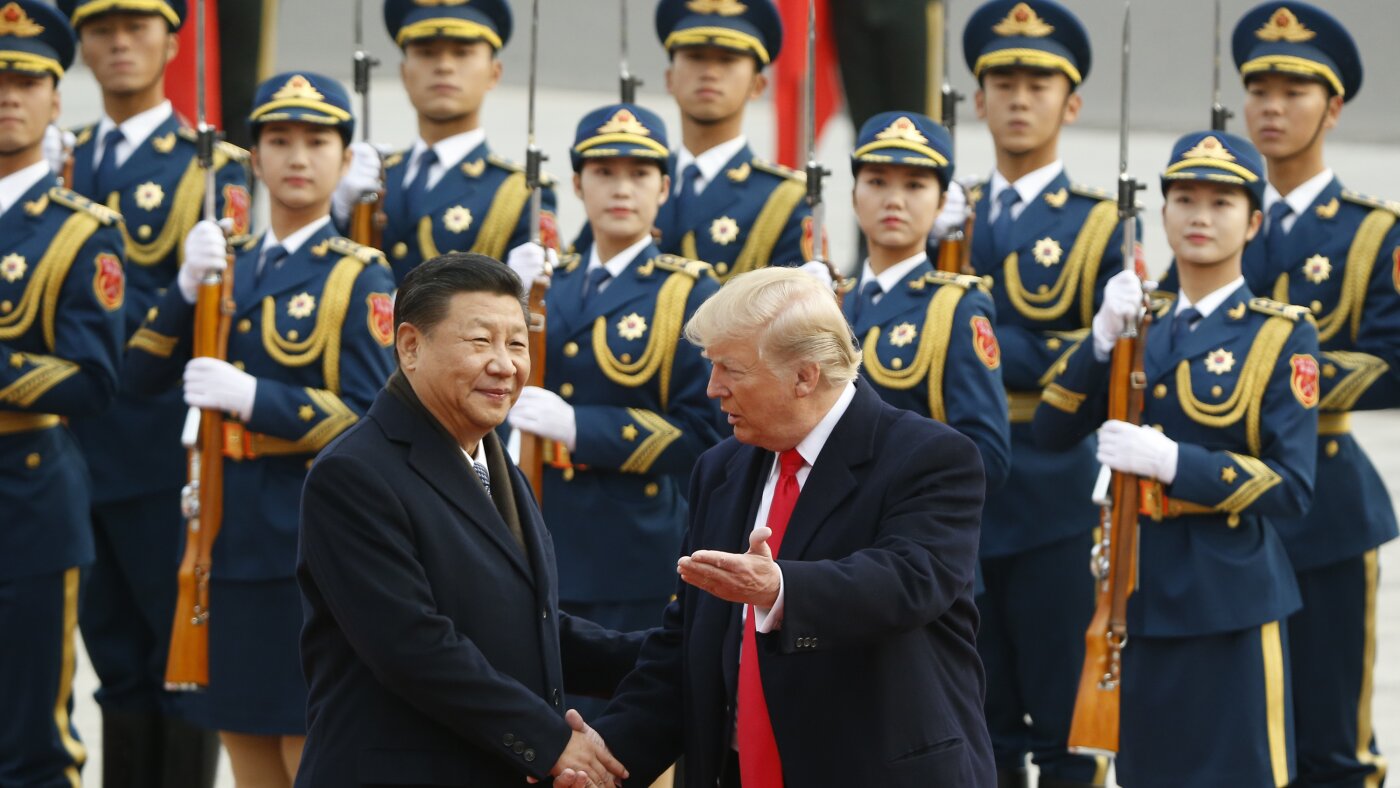
4 weeks agoUS-China trade talks 'stable' despite mutual accusations
US and Chinese trade officials concluded a two-day Paris summit with stable discussions, agreeing on agricultural purchases and proposing new trade boards while disputes over forced labor investigations and Middle East tensions persist.

Miscellaneous
fromFortune
2 months agoFrom 'Teflon Mark' to 'Trump Whisperer': Meet the NATO Secretary General with the golden touch | Fortune
Mark Rutte persuaded President Trump to drop Greenland threats, securing a framework for Arctic security and enhancing Rutte’s reputation as an effective diplomat.
fromBusiness Insider
2 months agoTrump says he's reached a Greenland deal 'framework' with NATO - and is putting tariffs on ice
President Donald Trump is calling off his threat to impose tariffs on an array of European countries over Greenland. He made the announcement via a Truth Social post shortly after meeting with NATO Secretary General Mark Rutte at the World Economic Forum on Wednesday in Davos, Switzerland. Trump said that he and Rutte formed a "framework of a future deal with respect to Greenland and, in fact, the entire Arctic Region." "Based upon this understanding, I will not be imposing the Tariffs that were scheduled to go into effect on February 1st," Trump wrote.
US politics



fromFortune
2 months agoIndia, EU reach 'mother of all' trade agreements after nearly 20 years of talks | Fortune
After nearly two decades of negotiations, India and the European Union announced Tuesday they have reached a free trade agreement to deepen economic and strategic ties. The accord, which the EU chief described as the "mother of all deals," could affect as many as 2 billion people. The deal between two of the world's biggest markets comes as Washington targets both India and the EU with steep import tariffs, disrupting established trade flows and pushing major economies to seek alternate partnerships.
Miscellaneous
fromwww.dw.com
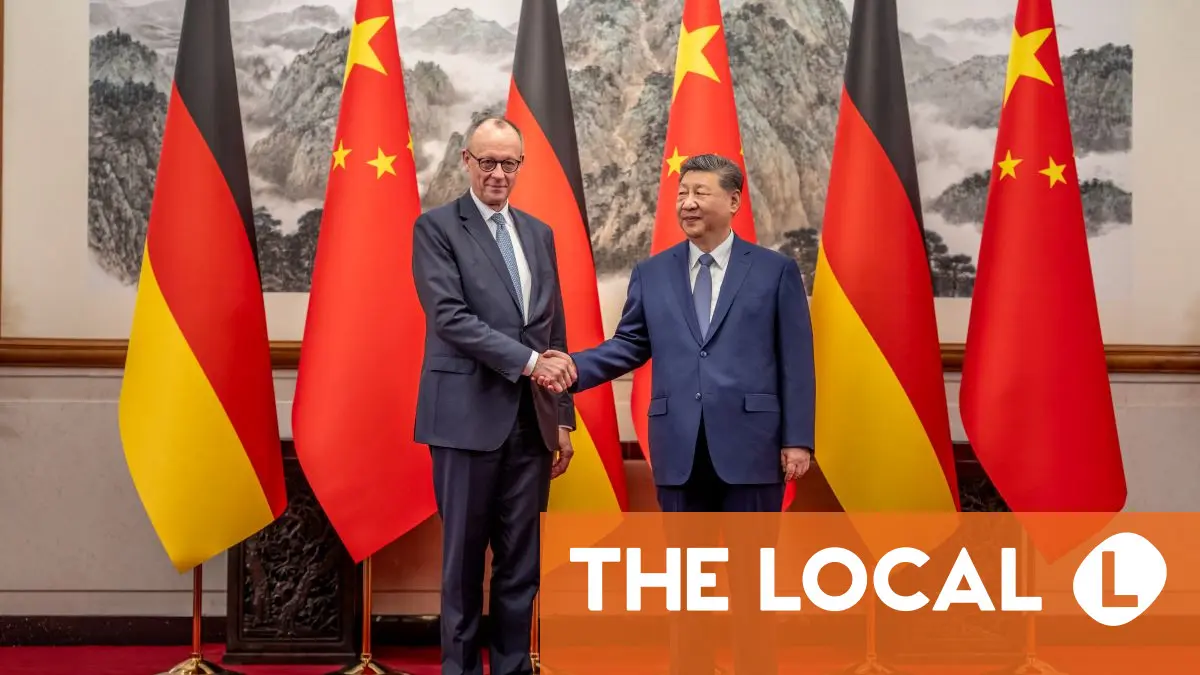
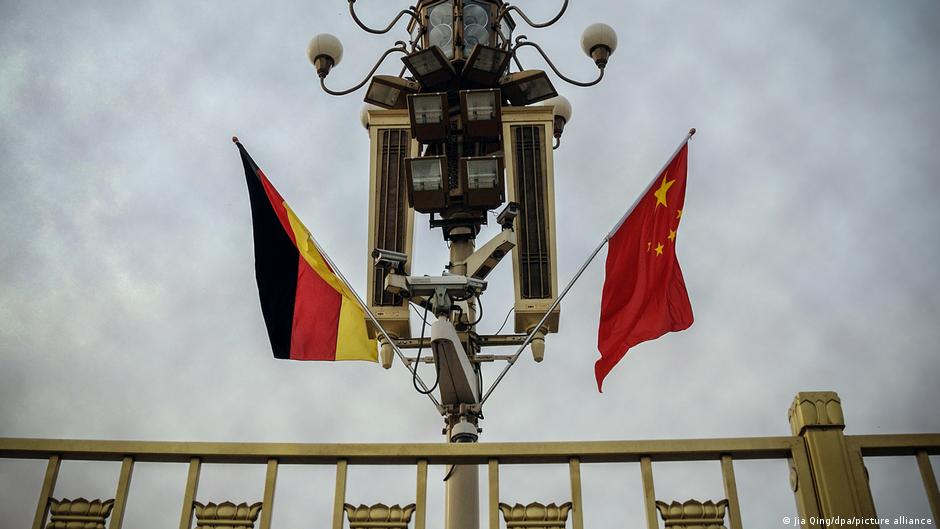
1 month agoMerz in China: German chancellor, Xi seek more cooperation
Friedrich Merz said he saw a "great opportunity" for the industrial exporters, while Xi Jinping called for "enhanced strategic cooperation." China has been courting Western leaders amid Trump's trade tensions. It's Merz's first trip to China since he became chancellor, his predecessor Olaf Scholz visited in 2024.
Europe politics
fromwww.dw.com
2 months agoEU, India secure historic free trade agreement
The deal would forge a market of two billion people and nearly a quarter of global GDP, according to the European Commission. Follow DW for more. EU and India conclude trade negotiations after nearly two decades of on-off negotiationsImage: Altaf Hussain/REUTERS Skip next section What you need to know EU and India have finalized a trade deal after nearly two decades of negotiations
Miscellaneous
World politics
fromwww.npr.org
1 month agoFive key takeaways from an annual briefing by China's foreign minister
China's foreign minister Wang Yi criticized the U.S.-Israeli conflict with Iran while signaling openness to a Trump-Xi meeting and advocating for dialogue between the world's two largest economies.
fromwww.dw.com
1 month agoMerz in China: German chancellor heads to Beijing
A horse does not make the most of its strength alone, but by pulling the cart together with others. Only when we in Germany and Europe are united, strong and competitive can we build a balanced partnership with China. We want our partnership with China to be balanced, reliable, regulated and fair.
Europe politics
fromwww.aljazeera.com
2 months agoChina's Xi Jinping signals deeper ties with Finland during PM's visit
Beijing is willing to enhance mutual trust, strengthen communication and deepen economic cooperation with Finland, Chinese President Xi Jinping declared as he welcomed Finnish Prime Minister Petteri Orpo in Beijing. Orpo was in the Chinese capital on Tuesday to meet Xi and other leaders as part of a four-day visit to the country that began on Sunday. list of 3 itemsend of list During their meeting, Xi told Orpo that Finnish businesses were welcome to swim freely in the vast Chinese market, according to the official Xinhua news agency.
Miscellaneous
fromWIRED
2 months ago23 Ways You're Already Living in the Chinese Century
A decade ago, China's political leaders laid out an ambitious industrial plan: By 2025, they pledged, their country would be a world capital, with the goal of moving from "Chinese speed to Chinese quality, the transformation of Chinese products to Chinese brands." This is the difference, they wrote, between "Made in China" and "Created in China." At WIRED, we never take what the government (ours or anybody else's) says at face value.
World news
fromwww.aljazeera.com
2 months agoHow Balochistan attacks threaten Pakistan's promises to China, Trump
When meeting United States President Donald Trump in the Oval Office in September, Pakistan's army chief, Field Marshal Asim Munir, opened a briefcase with Prime Minister Shehbaz Sharif standing next to him. Inside were a set of glistening minerals. Their display was part of Pakistan's latest offer to the Trump administration: The country was willing to open up its minerals to US investment.
World news
fromwww.aljazeera.com
2 months agoWhat role is China playing in global geopolitical transformations?
China's official discourse centres on the idea of peaceful rise, the commitment to non-interference in internal affairs, respect for sovereignty and territorial integrity, and economic partnerships based on mutual benefit. Beijing insists that relations with Washington should not slide into conflict, calling for a system of global governance built on cooperation rather than confrontation. Yet the geopolitical landscape reveals a wide gap between this discourse and reality. Donald Trump's return to the White House has brought back rhetorical escalation and increased geopolitical pressure.
World politics
fromFortune
2 months agoA spectre is haunting Europe - the spectre of Trump. Cue the Asian trade deals | Fortune
Stability. Consistency. Ever-changing complexity. With language like that, deployed in separate meetings in three Asian capitals this week, government leaders forged closer ties driven in part by a figure halfway around the world: the president of the United States. And much of the time, they didn't even mention Donald Trump's name. IN BEIJING: The U.K. and Chinese leaders called Thursday for a "long-term, stable, and comprehensive strategic partnership" between their two countries. The important words are long-term and stable. The two countries committed a decade ago to building a comprehensive strategic partnership but progress has been halting at best.
World politics
[ Load more ]