We have very specific concerns regarding our cooperation, which we want to improve and make fair, said Merz, in an acknowledgement of the strain faced by Germany's manufacturing sector from Chinese competition.
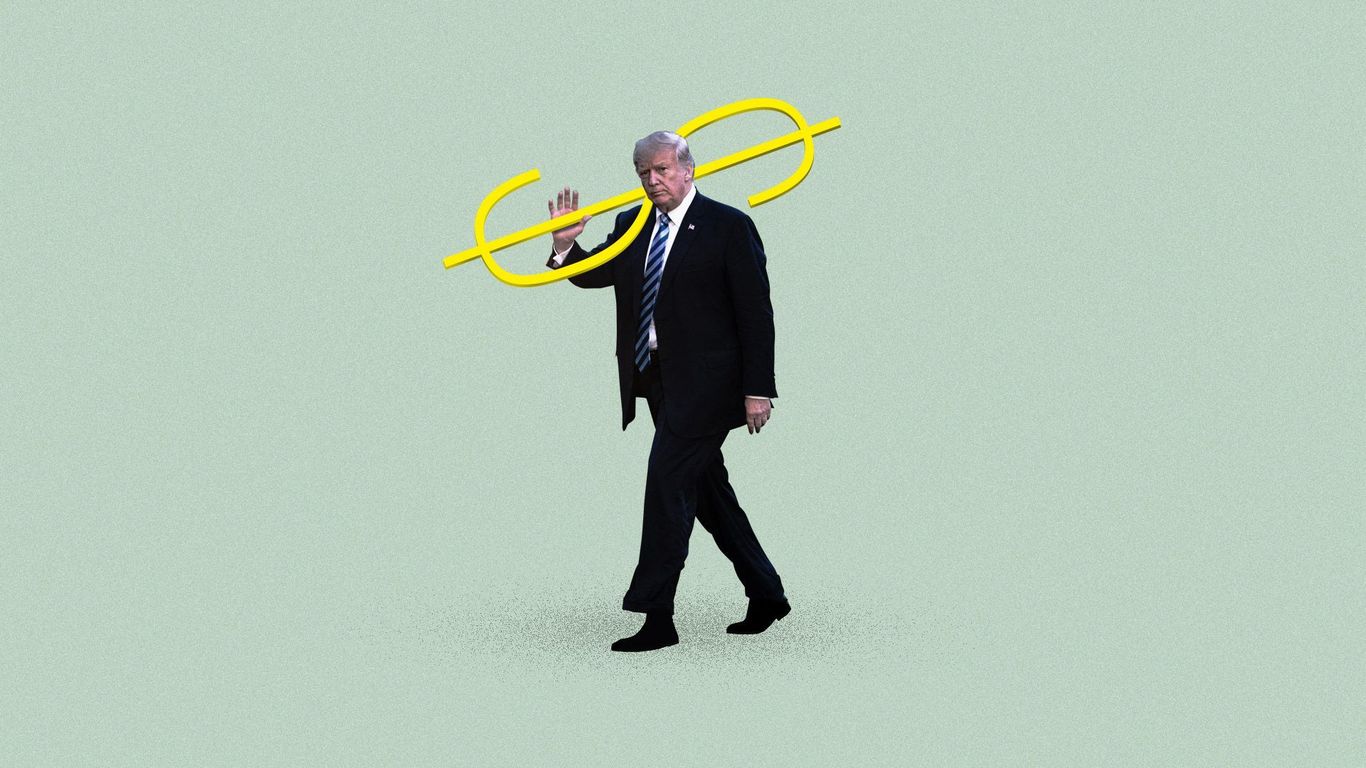
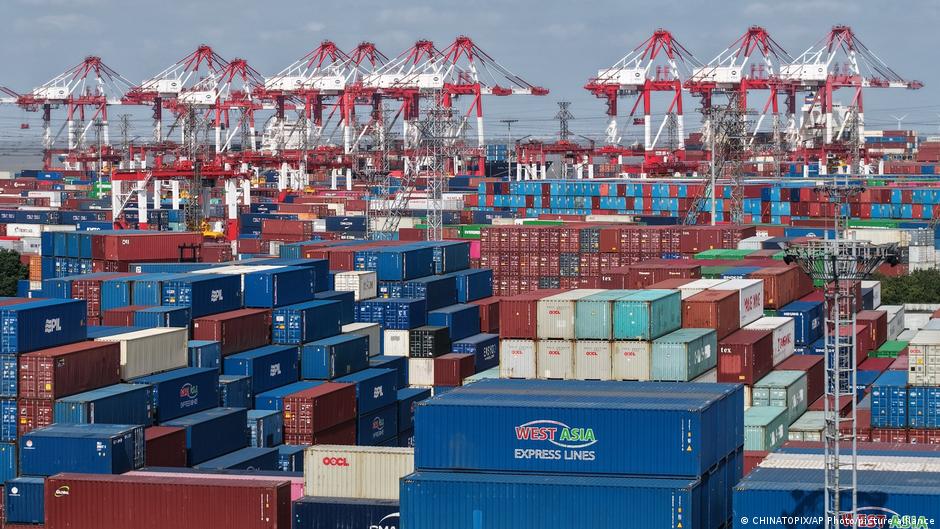
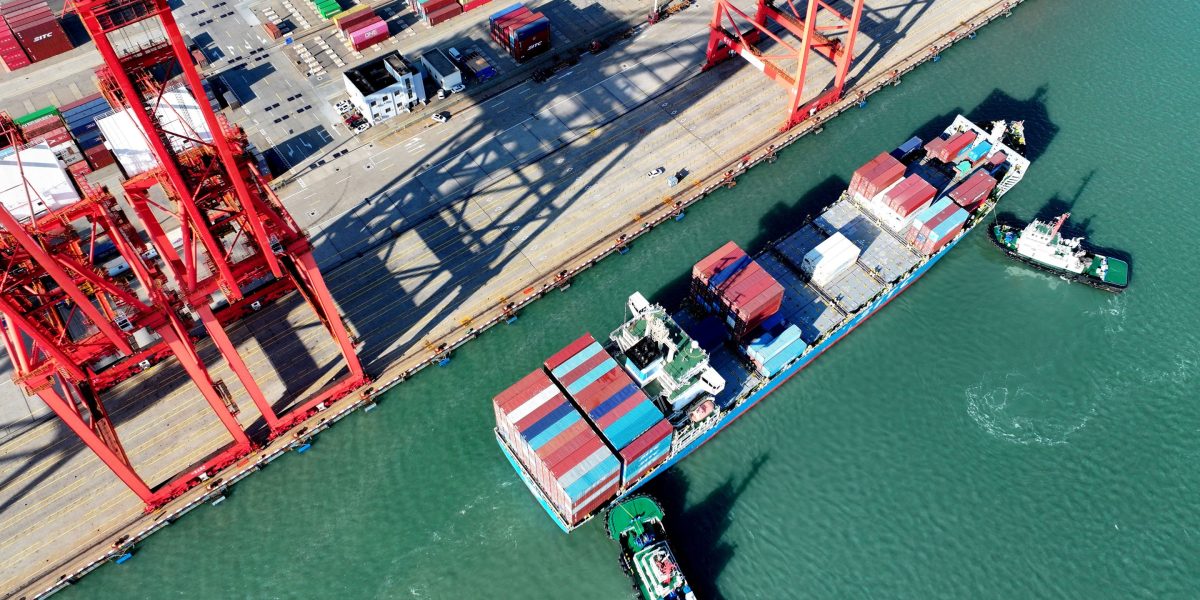
President Trump hates the United States' trade deficit. Indeed, he is so concerned about the "economic and national security risks" the deficit creates that he imposed a tariff regime that raised geopolitical tensions across the globe.The only problem is that his tariffs don't appear to be rebalancing the huge volume of goods and services the U.S. imports, versus its declining exports.
"In the era of great powers, our freedom is no longer a given. It is under threat," said German Chancellor Friedrich Merz at the opening of the Munich Security Conference earlier in February. Merz explicitly mentioned China. "China has the ambition to shape global affairs, laying the foundations for this over many years with strategic patience. In the foreseeable future, Beijing could draw level with the US in terms of military might. China is systematically exploiting the dependencies of others, reinterpreting the international order on its own terms," he said.
[The Trump administration] may have entered the office thinking that they could use their economic leverage to push China in certain policy directions," said Amanda Hsiao, a China studies director at the Eurasia Group consultancy.
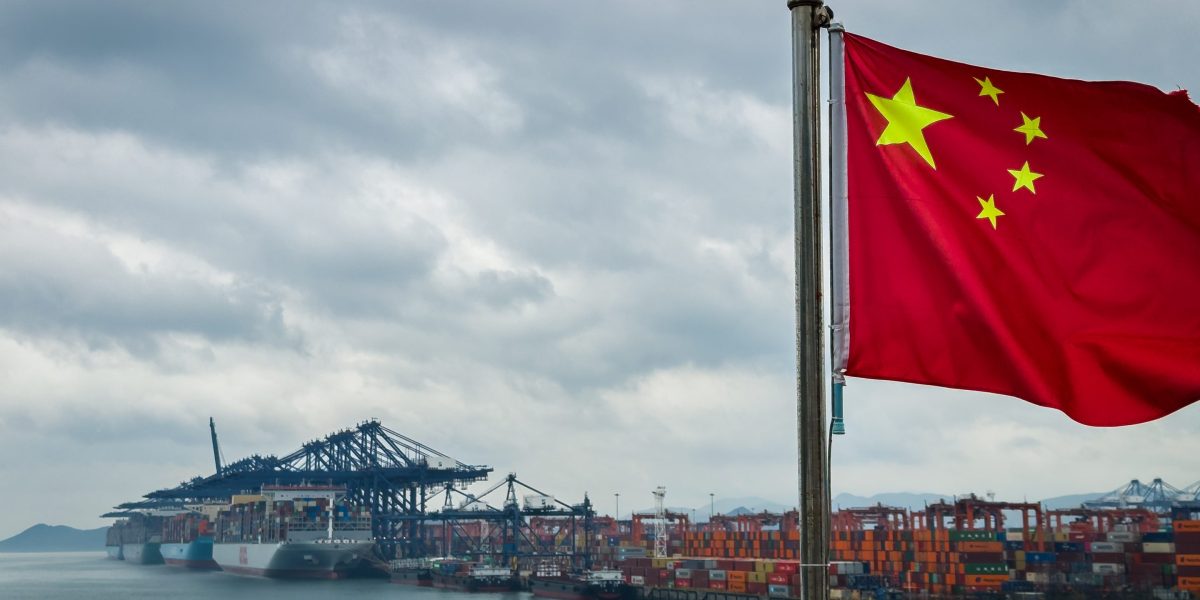
China's official discourse centres on the idea of peaceful rise, the commitment to non-interference in internal affairs, respect for sovereignty and territorial integrity, and economic partnerships based on mutual benefit. Beijing insists that relations with Washington should not slide into conflict, calling for a system of global governance built on cooperation rather than confrontation. Yet the geopolitical landscape reveals a wide gap between this discourse and reality. Donald Trump's return to the White House has brought back rhetorical escalation and increased geopolitical pressure.