#climate-policy
#climate-policy
[ follow ]
#fossil-fuels #endangerment-finding #renewable-energy #epa #germany #greenhouse-gas-emissions #sustainability

Environment
fromwww.theguardian.com
2 days agoBritain's green transition should belong to everyone. Why is Labour so intent on stopping us having our say? | George Monbiot
Climate policy relies on coercion and poor communication, alienating the public and undermining mobilization for necessary societal change.
SF politics
fromwww.theguardian.com
4 days agoA Louisiana state senator helped secure Meta's largest datacenter. Then he sold the land beside it
A Louisiana senator advanced Meta’s Hyperion datacenter through approvals, lobbying, and tax breaks while buying and selling nearby land, raising potential ethics-law violations.

California
fromSan Jose Spotlight
1 week agoSan Jose District 9 candidates 'noncommittal' on climate policy - San Jose Spotlight
Candidates support climate-friendly initiatives but avoid committing to maintain funding amid San Jose’s budget crisis and concerns about burdens from restricting gas appliances.
fromStreetsblog USA
1 week agoSustainable Transportation Can Ease the Affordability Crisis - And Help Climate Champions Win - Streetsblog USA
Affordability is the buzzword in American politics - and when it comes totransit affordability, the policies that would provide the most immediate relief would also do the most to address the climate crisis.
Alternative transportation
fromwww.theguardian.com
1 week agoFrom Farage to Farrer, Pauline Hanson's politics are on the march and major parties are running scared
Hanson’s One Nation party this month won its first federal lower house seat, crushing the main conservative parties in a regional farming district they had held for more than 75 years. The opposition leader, Angus Taylor, described it as an existential moment for the Liberal-National Coalition, whose collapse over the past 12 months has coincided with One Nation's rise.
Right-wing politics
Environment
fromenglish.elpais.com
2 weeks ago160 million hectares burned and sea temperatures at record highs: 2026 is shaping up to be a year of extreme warming
Record-breaking warmth is likely in 2026 due to global warming amplified by El Niño, while escalating fossil-fuel emissions and climate backsliding worsen wildfire impacts worldwide.
#ai-datacentres
Environment
fromwww.theguardian.com
2 months agoDatacentre developers face calls to disclose effect on UK's net emissions
UK datacentre developers face pressure to prove new AI infrastructure projects won't increase net greenhouse gas emissions, as 140 proposed schemes could require 50GW of electricity, exceeding current peak national demand.
SF politics
fromStreetsblog California
3 weeks agoGas Taxes and High-Speed Rail, What We Can Learn from the Candidates' Debate - Streetsblog California
Candidates offered competing plans on gas prices, including suspending the gas tax or environmental rules, while high-speed rail received direct attention.
fromNature
3 weeks agoRadioactive rain and proving relativity: Books in brief
Many books describe how the first atomic bomb was built. But this history by Emily Seyl stands apart. It tells the story of the bomb's Trinity test in New Mexico in July 1945 through restored photographs from the Los Alamos National Laboratory's National Security Research Center, where Seyl works. These include images of once-clandestine documents and experiments, as well as unfamiliar restored photographs of 'trinitite' - green glass found at the test crater - which fell from the bomb's fireball in molten drops.
OMG science


fromwww.dw.com
3 weeks agoWhy is Amsterdam banning ads for meat?
The moment you really take your own climate policy seriously, then you should at least restrict the availability of all those promotional materials, where the only thing they try to do is to promote and normalize these high-carbon lifestyles. Burning fossil fuels is one of the key drivers of climate change, with transport, including cars, aviation and shipping, accounting for about a quarter of global emissions.
Berlin food
Europe politics
fromwww.theguardian.com
3 weeks agoNew Hungarian PM's voters want action on climate and LGBTQ+ rights, poll finds
Over 77% of Peter Magyar's Tisza party voters support ambitious climate policy and 71% support LGBTQ+ rights protection, despite Magyar's conservative background and campaign silence on progressive issues.

#energy-crisis
Europe news
fromCarbon Brief
2 months agoDeBriefed 20 March 2026: Energy crisis deepens | Brazil's new climate plan | New Zealand climate case - Carbon Brief
The ongoing Iran war is causing a significant energy crisis, prompting global responses to manage supply disruptions and accelerate energy transitions.
#epa-regulation
Environment
fromLos Angeles Times
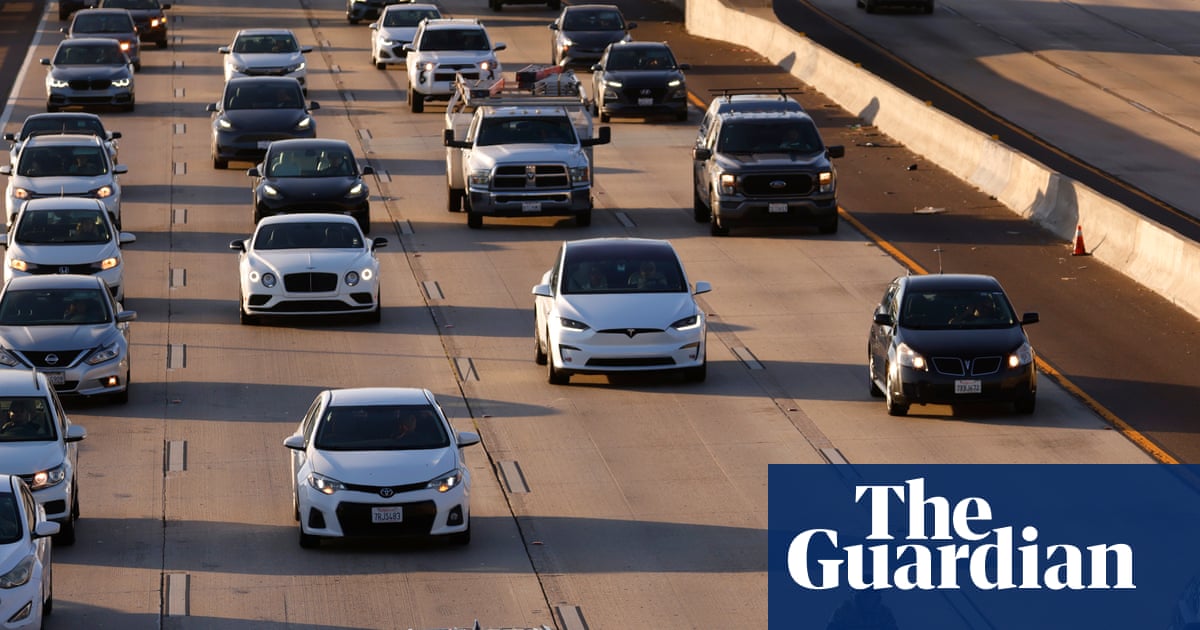
2 months agoCalifornia says Trump cannot roll back key climate rule in new lawsuit
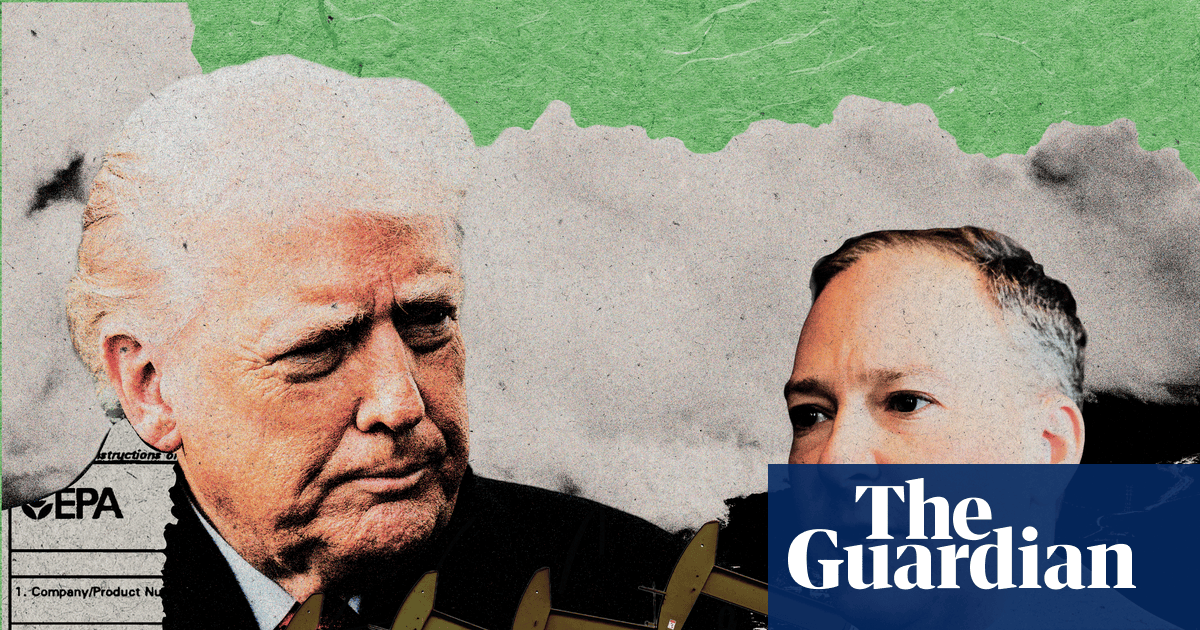
California leads a 25-state coalition suing the Trump EPA for repealing the endangerment finding that established climate change as a public health threat, eliminating federal vehicle emission regulations.
Environment
fromLos Angeles Times
2 months agoCalifornia says Trump cannot roll back key climate rule in new lawsuit
California leads a 25-state coalition suing the Trump EPA for repealing the endangerment finding that established climate change as a public health threat, eliminating federal vehicle emission regulations.
fromState of the Planet
2 months agoCan Capitalism Solve the Climate Crisis?
Absolutely, I have experienced investing in a way that green growth has led to both equitable growth and decarbonization, but also have lived experience of what degrowth can do to a country, and how, in my view, [degrowth] is not really a solution.
Environment
Environment
fromwww.theguardian.com
2 months agoUK energy prices are soaring and propagandists want to sell you a false reason why | George Monbiot
Renewable energy is the cheapest electricity source, but fossil gas prices dominate UK energy bills through marginal cost pricing, not renewable expansion.
Environment
fromThe Nation
2 months agoRep. Summer Lee: The Fight for Environmental Justice Is Far From Over
The Trump administration has rolled back environmental protections, eliminated greenhouse gas regulations, and granted fossil fuel companies exemptions and tax breaks worth billions, prioritizing corporate donors over public health and climate action.
NYC politics
fromGothamist
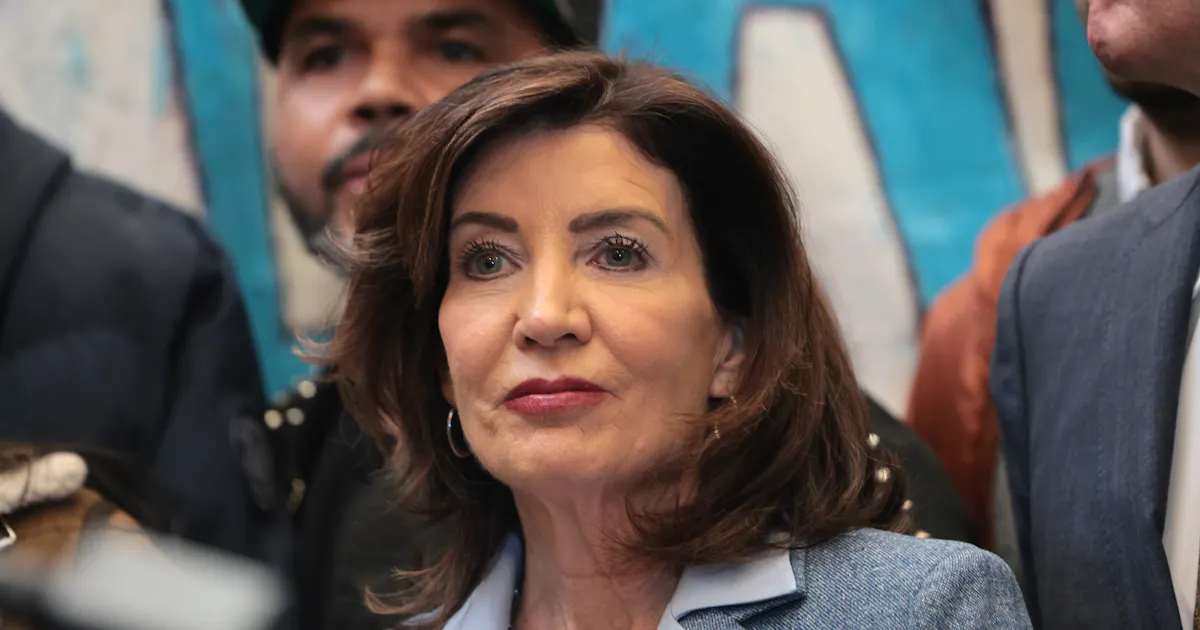
2 months ago'I need more time': NY Gov. Hochul asks lawmakers to punt climate deadlines
New York Governor Hochul seeks to delay the state's aggressive greenhouse gas emission reduction targets established in the 2019 climate law, citing affordability concerns and the need for more time to meet the mandates.
fromwww.theguardian.com
2 months agoReaching net zero by 2050 cheaper for UK than one fossil fuel crisis'
Reaching net zero would cost about 4bn a year, the CCC found, or close to 100bn by 2050, which was roughly equivalent to the energy-related costs of the fossil fuel shocks that followed Russia's invasion of Ukraine. The findings contradict widespread claims made by rightwing thinktanks and populist politicians including the Reform party that net zero would represent a crippling cost of 9tn to the UK's economy.
Environment
UK politics
fromwww.theguardian.com
2 months agoKeir Starmer abandoned net zero to court Reform voters. He failed
Internal conflict between Starmer's pro-climate stance and skeptical advisers has weakened Labour's environmental messaging, contributing to the loss of a safe seat to the Green Party in a byelection.
California
fromStreetsblog
3 months agoRepublican's Demagogue on Suspending Gas Tax and Climate Fuel Rules - Again - Streetsblog California
California State Senator Tony Strickland introduced SB 1035 to suspend the state gas tax and climate fuel programs for one year, claiming it would save drivers $1.08 per gallon, though the bill lacks identified replacement funding sources.
fromwww.theguardian.com
3 months agoGermany accused of ditching climate targets as it scraps renewables mandate
While the previous law required most newly installed heating systems to use at least 65% renewable energy, often with a heat pump, the reformed legislation will allow households to keep using oil and gas. It also removes a mandate for expert consultation when installing a new heating system.
Germany news
fromNature
3 months agoEU leaders should not rush to revamp green-hydrogen rules
Many planned projects have been delayed or scrapped. Adrian Odenweller and Falko Ueckerdt at the Potsdam Institute for Climate Impact Research in Germany tracked 190 projects globally that were due to begin operating in 2023. The researchers found that only 7% of these had begun operations as scheduled.
Environment
Artificial intelligence
fromFuturism
3 months agoBarrage of Emails From AI Politics Platform Defeats Clean Air Initiative
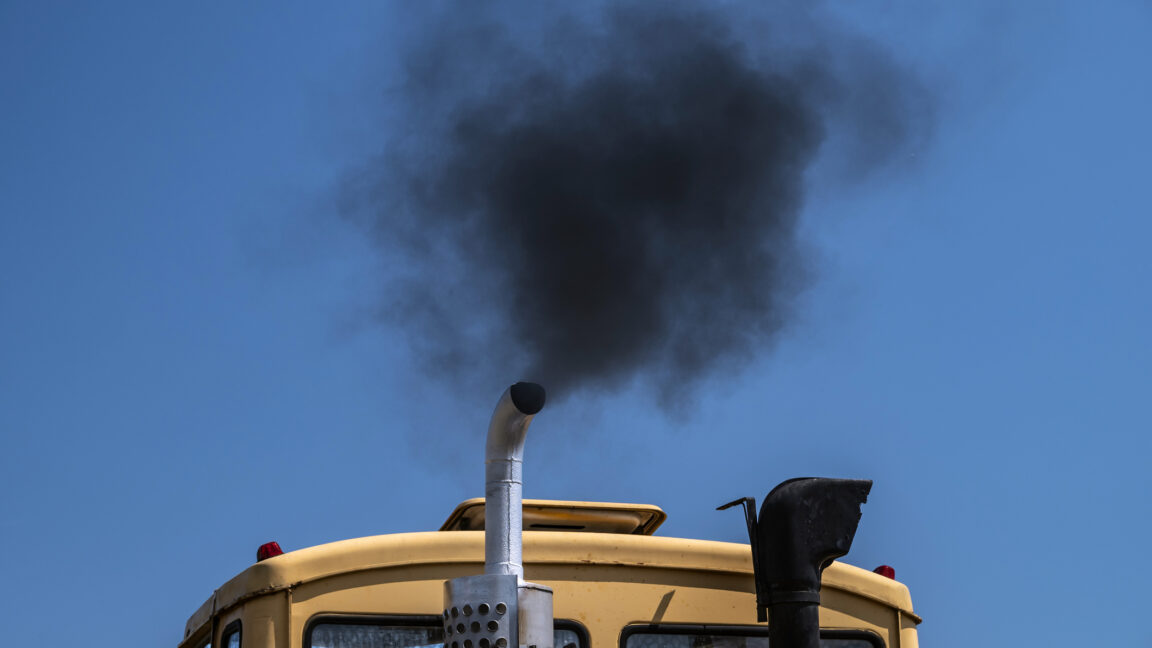
AI's rising energy demands and deployment in mass digital advocacy have increased emissions and undermined climate regulations by generating large-scale opposition to decarbonization measures.



fromThe Nation
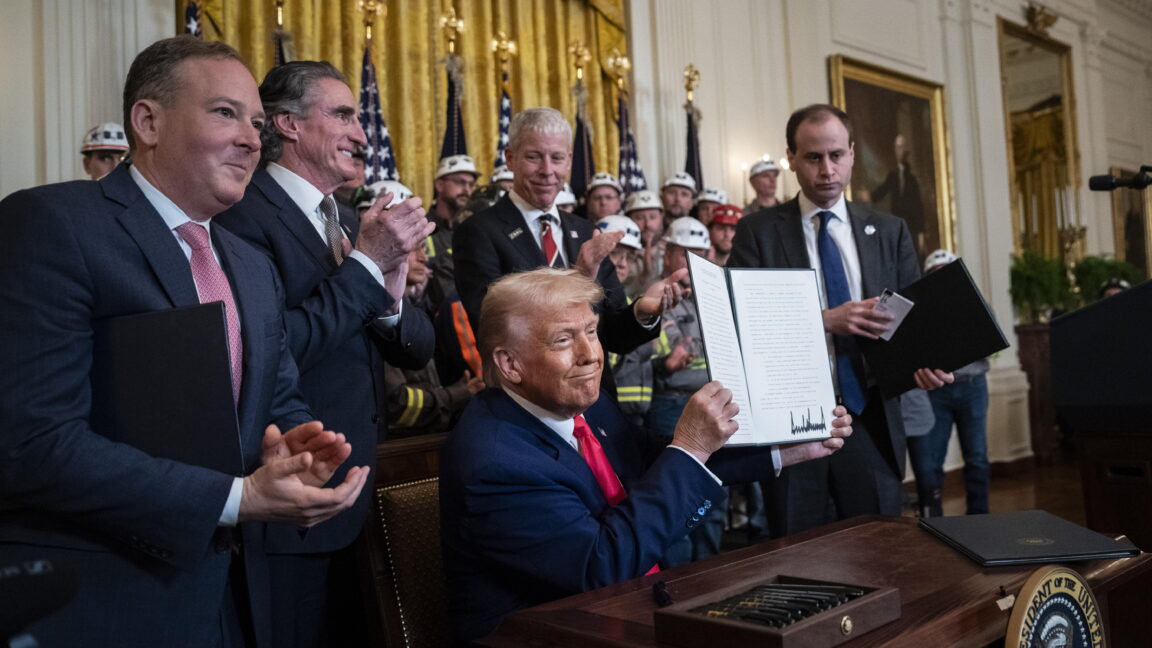
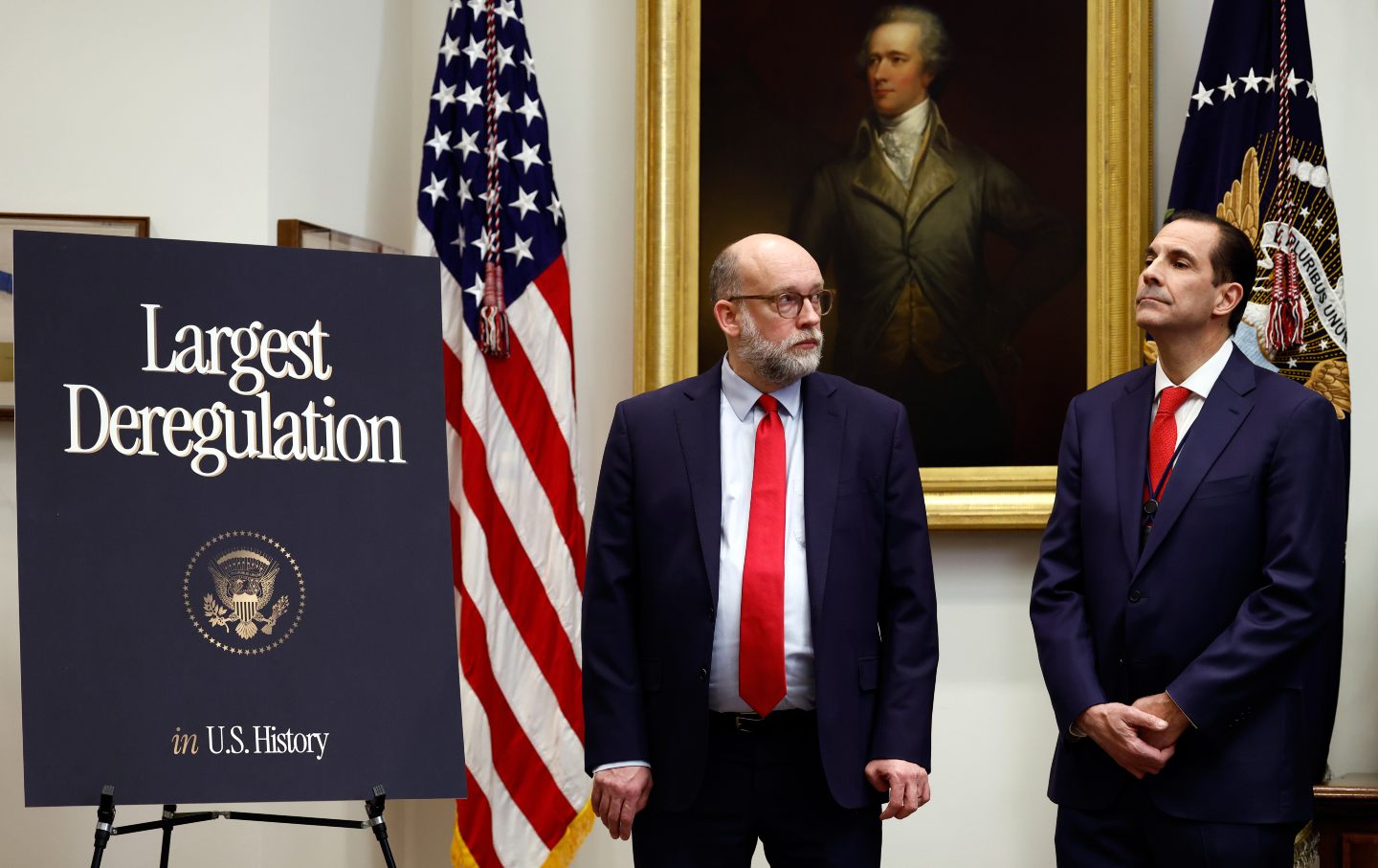
3 months agoThe Cost of US Withdrawal From 66 International Organizations, Conventions, and Treaties
But that memorandum, inconspicuous though it may appear on its face, demands careful consideration. It reflects not just another step in the Trump administration's "Great Undoing" of the postwar international order, but also risks serious and material injury to America's economic and national security interests. While the memorandum claims its actions will help to "restore American sovereignty," it will do just the opposite.
US politics

US politics
fromwww.mediaite.com
3 months agoEverything He's Touched Turns to Garbage': Trump Loses It on Gavin Newsom Over Inappropriate' Deal With UK
President Trump denounced Governor Gavin Newsom's UK clean-energy pact, warned Britain against engagement, and criticized California's governance and environmental record.
fromwww.theguardian.com
3 months agoThe Guardian view on Donald Trump and the climate crisis: the US is in reverse while China ploughs ahead | Editorial
Devastating wildfires, flooding and winter storms were among the 23 extreme weather and climate-related disasters in the US which cost more than a billion dollars last year at an estimated total loss of $115bn. The last three years have shattered previous records for such events. Last Wednesday, scientists said that we are closer than ever to the point after which global heating cannot be stopped.
Environment
fromInsideHook
3 months agoBill Maher and Jonathan Haidt On Social Media and Addiction
Maher had a lot to say about the current president's recent attacks on climate change. "He thinks it's just some bullshit that people made up out of nothing to get rich. You know, like crypto," Maher said. He went on to say that the EPA's recent decision to stop regulating climate change was arguably "the biggest dick move in American history."
US politics
fromThe Atlantic
3 months agoTrump Administration Announces That We Don't Know Where the Sun Goes at Night
President Trump on Thursday announced he was erasing the scientific finding that climate change endangers human health and the environment, ending the federal government's legal authority to control the pollution that is dangerously heating the planet." - The New York Times A new ruling from the Trump administration says that when the sun disappears at night, we don't know where it goes. All remaining top scientists have been taken from their positions and tasked with getting to the bottom of this.
US politics
Environment
fromLos Angeles Times
3 months agoRejecting science, Trump reverses conclusion that climate change is harming Americans
The Trump administration revoked the 2009 EPA endangerment finding and dismantled federal vehicle emissions standards, marking a major rollback of U.S. climate protections.
fromwww.theguardian.com
3 months agoEU urged not to roll back green agenda in effort to revive faltering economy
Campaigners from the Climate Action Network, a pan-European group of NGOs, said European industry was under real pressure from high energy prices, ageing assets, global overcapacity and delayed investments, but these issues could not be solved by watering down climate and environmental policies. Deregulation is not an industrial strategy, the group wrote in an open letter, which argued that the problems facing energy-intensive industries, including steel, cement and chemicals, were driven by prices of fossil fuel-derived energy and global market dynamics, rather than environmental regulation.
Europe politics
fromNew York Focus
3 months agoHow New York's Court System Intertwines With Party Politics
New York is an incongruous state. We're home to fabulous wealth - if the state were a country, it would have the tenth largest economy in the world - but also the highest rate of wealth inequality. We're among the most diverse - but also the most segregated. We passed the nation's most ambitious climate law - but haven't been meeting its deadlines and continue to subsidize industries hastening the climate crisis.
New York City
fromKqed
4 months agoBay Area Climate Stories We're Watching This Year | KQED
Newsom's administration has touted his climate leadership, which has led to California's historic build-out of battery storage and the landmark program designed to reduce greenhouse gas emissions, newly renamed cap-and-invest - in California. But some environmental advocates and experts are second-guessing his climate record, including his support of legislation streamlining approval of new oil and gas wells, and not advocating for legislation that aims to hold industries accountable for fossil fuel-driven climate disasters.
California
fromwww.amny.com
4 months agoOp-ed | Hochul must not abdicate New York's climate commitments amNewYork
Jewish community sees eye-to-eye on, especially these days. So when over a thousand members of the community from all denominations and across the state get behind a single issue, it's no small deal. The issue at hand? Governor Hochul's abdication of leadership when it comes to addressing the climate crisis. It's pretty simple. The Governor, previously a keen champion for climate action, is quietly (and sometimes, not so quietly) walking back previous commitments and refusing to take on new ones.
US politics
US politics
fromAxios
4 months agoHow Trump's ruthless first year erased the Biden presidency
Trump is reversing Biden-era priorities—rolling back democratic accountability, racial-equity initiatives, expert-driven governance, and climate action while promoting racial grievance, immigration crackdowns, and fossil fuels.
[ Load more ]