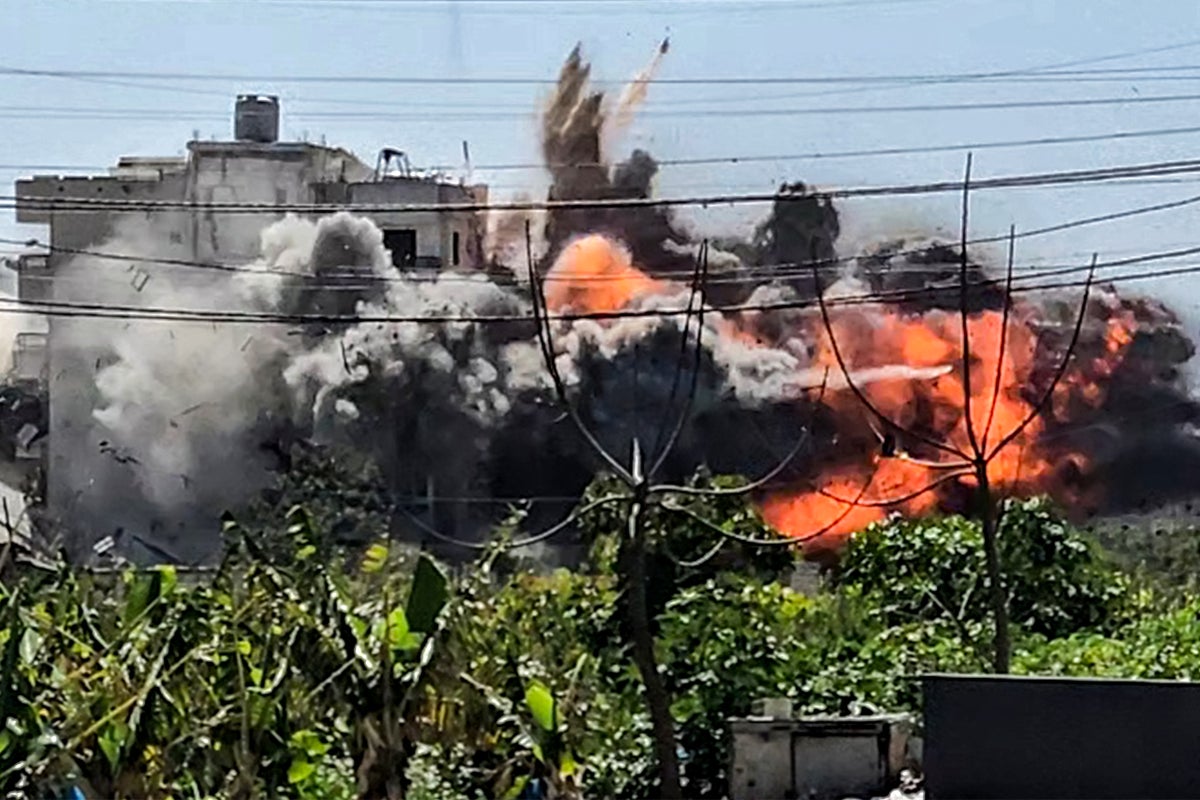
The conflict has driven up the price of oil and natural gas; damaged oil refineries, tanker terminals and other energy infrastructure; disrupted shipments of fertiliser that the world's farmers depend on; and damaged the confidence of businesses and consumers.
We are going through what we might call the mother of all crises. The world has witnessed many oil crises in the past 50 years, such as the post-COVID-19 crisis and following geopolitical tensions.
After 40 days of fighting, the United States and Iran agreed to a two-week ceasefire, with negotiations expected to begin in Islamabad. One key point in Iran's proposal is allowing shipping to resume through the Strait of Hormuz, which has been closed since the war began, causing global oil prices to soar.
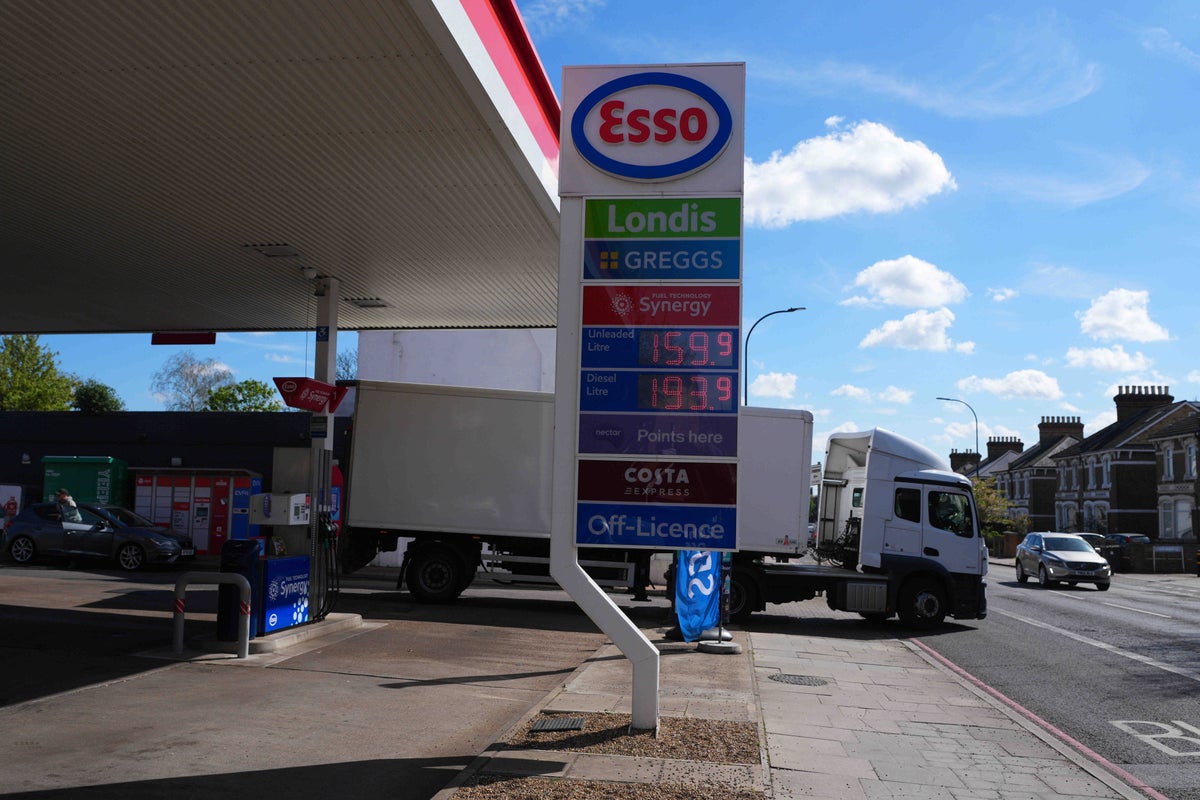
Officials from the Department of Energy are meeting daily as the Iran war drives up the price of fuel. A public awareness campaign is urging citizens to 'save energy, save your pocket.'
At the start of this year, Pakistan had more imported liquefied natural gas (LNG) than it could use, with demand falling from a peak of 8.2 million tonnes in 2021 to 6.1 million tonnes by late 2025. The government sold excess gas shipments to other countries and shut down domestic gas wells to prevent pipelines from bursting under oversupply.
Global helium consumption runs about 6 billion cubic feet per year. Qatar supplied a big slice until this month. With one-third of output sidelined, prices have already soared.
The Weil European Distress Index shows that financial pressures on European companies had already moved into 'distress territory' before the escalation of tensions involving Iran, leaving firms with far less capacity to absorb another energy-driven shock.
The imminent arrival of the Anatoly Kolodkin tanker comes as The New York Times, citing a US official, reported that Washington was allowing the Russian tanker to reach Cuba, amid a de facto oil blockade imposed by the US administration.