#collapsible-bins
#collapsible-bins
[ follow ]
#sustainability #waste-management #architecture #circular-economy #recycling #sanitation #urban-design

Alternative transportation
fromStreetsblog USA
2 days agoFlorida Town Gives New Residents Free Golf Carts to Replace Their Cars - Streetsblog USA
Babcock Ranch incentivizes residents to drive less by offering free golf carts with new home purchases, promoting a community focused on alternative transportation.
London startup
fromLondon Business News | Londonlovesbusiness.com
2 days agoHow digital technology is making road freight operations more efficient - London Business News | Londonlovesbusiness.com
Digital technologies enhance operational efficiency and transparency in UK logistics, addressing rising costs and customer expectations.
fromSustainable Bus
2 days agoBerlin's BUS2BUS 2026 gathers 40 buses with focus on electrification and minibuses - Sustainable Bus
The event features approximately 40 vehicles alongside a conference program addressing topics such as autonomous driving, on-demand transport and operational concepts, including a Sustainable Bus session on intercity bus electrification.
Alternative transportation
Renovation
fromYanko Design - Modern Industrial Design News
4 days ago7 Brilliant Products Renters Are Buying to Upgrade Their Homes Without Drilling a Single Hole - Yanko Design
Renters can enhance their living spaces with versatile, non-permanent upgrades that are functional and environmentally conscious.
fromApartment Therapy
3 hours agoThis "Inconvenient" Rule Actually Helps Me Keep Up with Laundry
The Inconvenient Rule involves purposely making the laundry inconvenient so that you don't put it off and let the piles grow. Since starting this method, I have felt more on top of washing, folding, and putting away clothes.
Everyday cooking
#waste-management
UK politics
fromwww.independent.co.uk
2 weeks agoMillions of households now have easier' recycling rules
New waste and recycling rules in England aim to standardize collections and improve recycling efficiency.
fromEarth911
2 months agoEnvironment
Sustainability In Your Ear: CurbWaste's Mike Marmo Is Building the Waste Logistics Layer of the Circular Economy
CurbWaste is building a digital operating system for independent haulers to capture per-load, chain-of-custody data and enable a circular economy through material visibility.
fromwww.bbc.com
1 month agoEnvironment
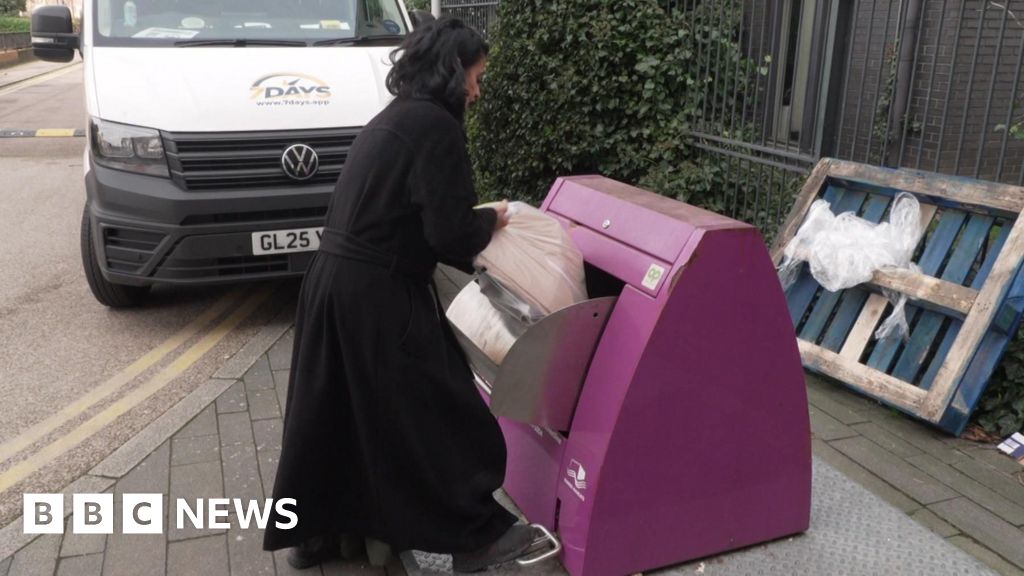
'It's a nightmare' - The London borough with England's lowest recycling rate
Tower Hamlets residents face confusing and inefficient waste management systems, with limited food waste recycling and complicated procedures for disposing of recyclables in multi-unit buildings.

fromEarth911
1 month agoIs Shredded Paper Recyclable?
Shredded paper is especially difficult to recycle, so many programs will not accept it. Shredding accelerates fiber shortening and lowers the paper grade from high-grade to mixed-grade. Mixed-grade paper is still recyclable, but it ends up baled and processed into products like paper towels and packing paper.
Portland
Agriculture
fromEarth911
1 month agoConvenience Comes at the Environment's Expense
Fast delivery convenience carries significant environmental costs through packaging waste, carbon emissions, and resource consumption, but individual yard management choices can meaningfully reduce environmental impact at a local scale.
fromArchDaily
3 weeks agoDesigning for Obsolescence in an Age of Perpetual Upgrades
In the nineteenth century, entire railway networks became obsolete almost overnight, not due to physical deterioration, but because of changes in the technical standards that supported them. The expansion of railroads across Europe and North America adopted different track gauges, and as a dominant standard gradually emerged, these infrastructures became incompatible with one another.
Renovation
Miscellaneous
fromwww.theguardian.com
1 month agoA delightful day at the dump: The trick is not to leave with more stuff than I arrived with!'
A recycling centre's ReUse shop in London salvages discarded items including unusual specimens like embalmed animals, vintage furniture, and antiques to resell rather than send to landfill.
#circular-economy
Non-profit organizations
fromCity Limits
1 month agoOpinion: New York City Needs an Office of Circularity
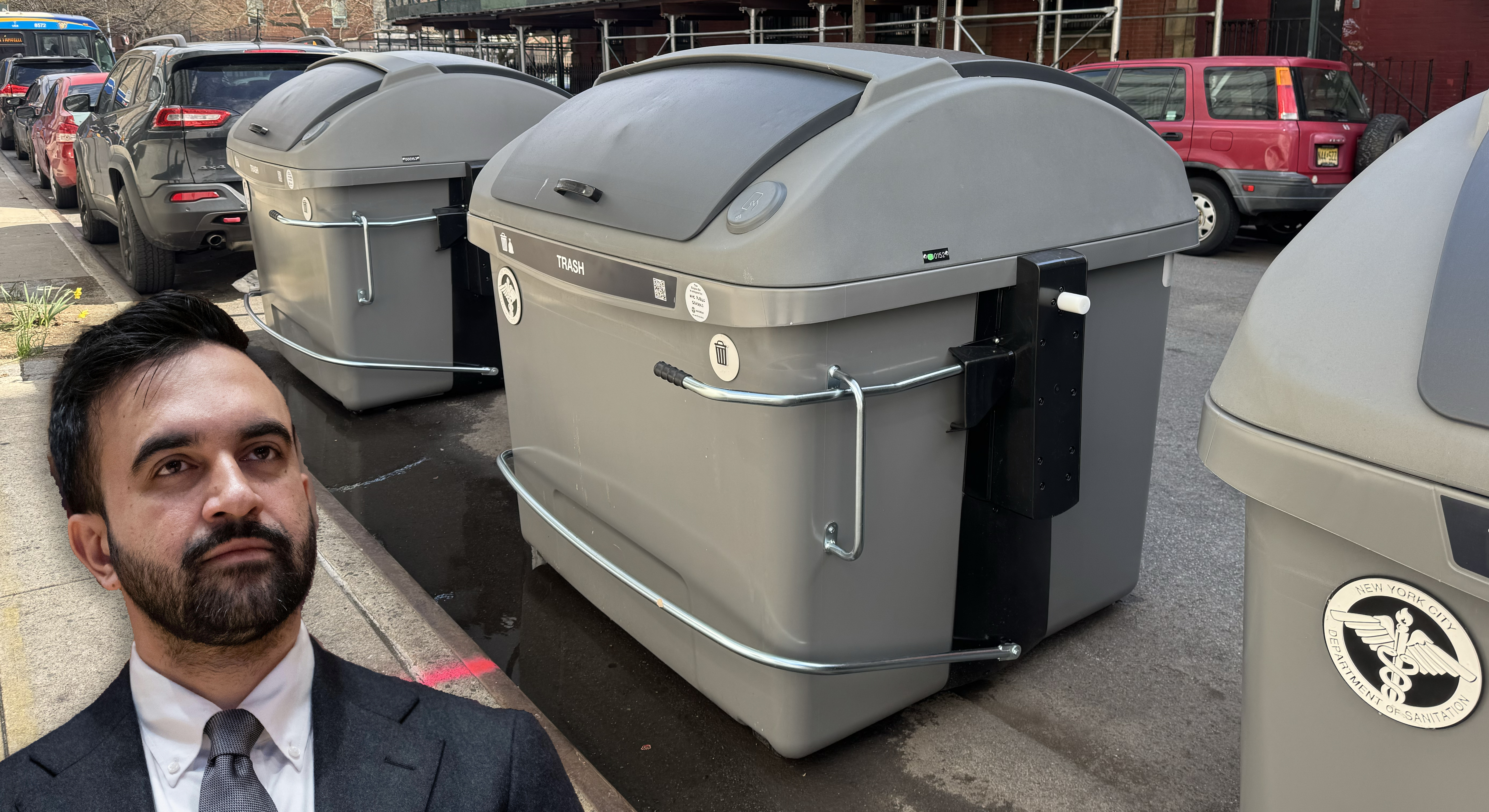
New York City should establish a municipal Office of Circularity to transform its linear waste system into a circular economy, reducing environmental costs while creating jobs and serving communities in need.
fromThe Verge
1 month agoInvestigating the 61-pound machine that eats plastic and spits out bricks
By bricking your plastic, the company claims it'll no longer jam recycling equipment the way individual plastic bags often do. Just feed your plastics into this 61-pound bin and watch them magically disappear into its whirring slot. Wait for it to spit out a brick weeks later, drop it into a supplied bag, and let the US Postal Service whisk your guilt away.
Miscellaneous
Renovation
fromdesignboom | architecture & design magazine
1 month ago3D printed street furniture recycles concrete and brick waste from demolished urban villages
Construction waste from demolished urban villages is converted into 3D printable composite material containing up to 85% solid waste, creating functional urban furniture through a closed-loop production system.
fromInsideHook
2 months agoCould Recycled Plastic Lead to More Housing?
When you think about building a house, what materials come to mind? Brick, wood and metal all come to mind; there are also some very distinctive glass houses out there. (Even if their occupants should refrain from throwing stones - though honestly, that's a good tip for indoor living in general.) A group of MIT researchers have come up with a very different way of making buildings, and it's one that also addresses an ongoing waste issue."We've estimated that the world needs about 1 billion new homes by 2050. If we try to make that many homes using wood, we would need to clear-cut the equivalent of the Amazon rainforest three times over," explained AJ Perez, who conducts his research in the MIT Office of Innovation. The title of a paper written by Perez and his colleagues - "Design, Manufacture and Testing of Structural Trusses Using Additively Manufactured Polymer Composites" - gives a sense of the solution that they have in mind.
Environment
[ Load more ]